
Art Melds with Architecture, Technology in A Strategy for a Stronger City
Innovative Design Helps Cities Flourish
The architecture of a city is one of the most important factors in its growth and development. Cities are constantly changing, but their buildings serve as reminders of history and culture. The design of buildings can encourage certain types of behavior or inhibit others. It can inspire people to work together or isolate them from one another. Public art helps create this sense of place by uniting us with our past and present, revealing identities sometimes hidden beneath concrete and steel.
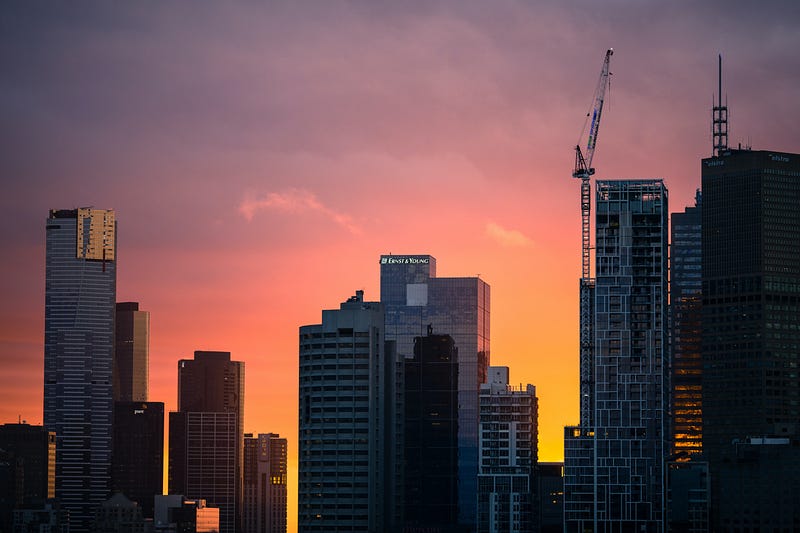
A city’s architecture and its public art illuminate its unique character
The New York Times has published an article titled “‘Hostile Architecture’: How Public Spaces Keep the Public Out” that discusses how public art can help create a sense of place. The author states that “Cities have long built walls and other defensive fortifications for protection.” This means that when designing new buildings or refurbishing old ones, architects should consider how their designs will impact the people who inhabit them for protection.
Public art also plays an essential role in helping to build community identity. By placing sculptures in public spaces, artists can communicate ideas about history, culture, and politics without relying solely on words that may be inaccessible.
In the past, architects have created buildings that reflect their period and the neighborhoods they inhabit.
In the past, architects have created buildings that reflect their period and the neighborhoods they inhabit. The Chrysler Building in Manhattan was built to symbolize America’s growing industrial power during the 1930s. In contrast, Frank Gehry’s Guggenheim Museum in Bilbao, Spain, was designed to be an iconic landmark for a struggling city.
The question then becomes, how does one design for an era of technology advancing so fast that older buildings become obsolete before they are even completed?
Sometimes these buildings are out of place and clash with their surroundings. A building’s design should reflect its history, environment, and the people who live there now. Designers need to understand how they can use architecture to encourage positive interactions among citizens, such as encouraging people to walk more or interact with each other in public spaces while walking around town.
City leaders can take steps to avoid this problem by planning projects that consider both architecture and art.
When you consider the character of a city, it’s important to understand what makes up its history. What were the significant events that took place there? What are some examples of architecture that represent this? These questions can help inform your decisions about what is most important for a project, an office building, or a public park.
If you’re planning for the future, you must consider how your plans will affect your city’s current and future residents. What do people need now? How will those needs change over time as demographics shift and technology evolves? This requires thinking about how space will grow over time, for instance, if we want more parks today because there must be more green spaces.
The goal is to create a sense of place that represents where people live today, not some idealized past or futuristic future. Designers should understand how buildings affect people’s behavior and mindset to create spaces that encourage positive interactions among citizens and promote civic pride.
The design process starts with an analysis of the city as it currently exists, its history, demographics, economy, and political climate, then moves into what we call “placemaking,” looking at how existing buildings fit into the urban fabric, developing ideas for new buildings based on those findings creating mockups using computer models refining those designs through public meetings finally constructing them on site or in some cases digitally.
The city’s design should be consistent with its history and the people who live there now.
In a city like New York, design should be consistent with its history and the people who live there now. The best way to do this is to ensure that those who inhabit the city feel like they belong. The design of a building should reflect the community’s history and culture and encourage a sense of community among all residents.
If you want your building project to succeed, consider how it will affect those around it and what they want from their homes or offices.
Designers need to understand how buildings affect people’s behavior and mindset to create spaces that encourage positive interactions among citizens and promote civic pride.
The idea of art melding with architecture is nothing new even the ancient Greeks used architecture as a means of expression, incorporating sculptures into their buildings. But today’s architects can create more dynamic spaces than ever, thanks to technological and materials science advances. They can now use light-emitting diodes (LEDs) or other lighting technologies that change color based on sensors placed around the room. This allows them to control what kind of mood you’re in as soon as you walk through the door.
Creating buildings that include public art is a crucial way to develop a sense of place and history.
Public art has long been a part of the urban landscape, but it’s also become essential to creating places that feel like home. Art can help develop a sense of place, history, identity, community, and pride.
“Art is one of those things that can bring people together,” said James Rojas, executive director at the Queens Museum in New York City. “You don’t have to understand what it means or why it’s there. You get this feeling from looking at it.”
We’re at a critical point in urban development, and the creative industries are crucial to making our cities better places to live. To achieve this goal, we need innovative solutions that will help us create inclusive and resilient communities that foster creativity.
Please subscribe here to receive the latest insightful stories by email.
Use my referral link to join Medium and have access to thousands of articles.