
Art Inspirations From Claude Monet!
Claude Monet (Oscar Claude Monet) was a renowned French painter who lived from November 14, 1840, to December 5, 1926. Monet had two son, Jean Monet and Michel Monet. Monet’s parents were Adolphe Monet and Louise-Justine Aubrée Monet. Adolphe Monet worked in the family shipping business, which was involved in the shipping and grocery trade. Louise-Justine Aubrée Monet was a singer. Monet came from a middle-class family, and his upbringing and early exposure to art played a significant role in his development as a renowned artist. Monet was married to Camille Doncieux. She was his first wife, and they married in 1870. Camille Doncieux also served as a model for many of Monet’s paintings. After her untimely death in 1879, Monet later married Alice Hoschedé in 1892
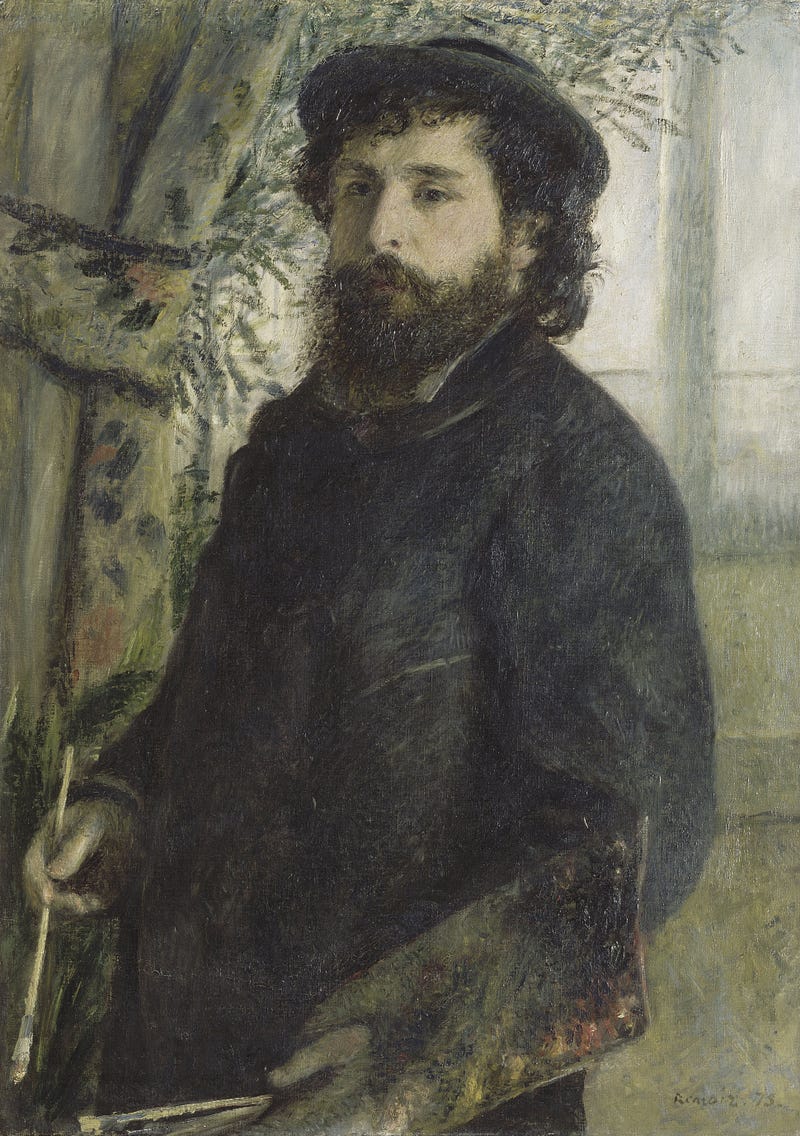
When Monet first met Camille, she agreed to marry him and become the mother of their kids, Jean and Michel Monet. Monet and Camille, lived with Alice and Ernest Hoschedé during the 1870s; they were a couple of collectors and had an affair. Monet and Alice were wed following the passing of Camille. They raised Alice’s six children, the last of which, Jean-Pierre, was also a Monet child, as well as the two sons of Monet. Blanche Hoschedé, the daughter of Ernest and Alice Hoschedé, was married to his son Jean. After the deaths of Alice and his son Jean, who had been married to Blanche, Monet had a connection with Blanche Hoschedé in 1926, towards the end of his life.
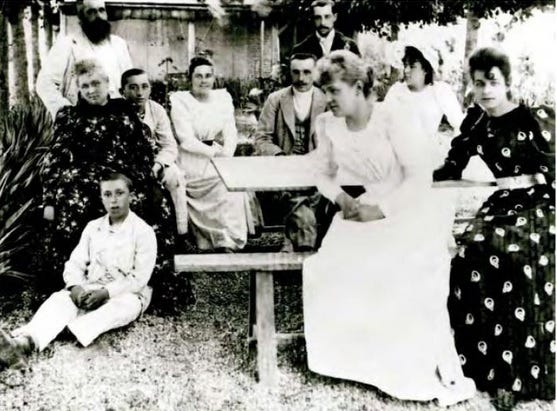
Monet experienced a cataract that significantly impacted his eyesight and his ability to perceive color just as he was reaching the pinnacle of his artistic career after painting Water Lilies on his boat. Monet initially opposed surgery despite his friend Clemenceau’s pleas that he should, but eventually agreed to have his right eye operated on. He also lost a lot of loved ones, including his son Jean, friend Pierre Auguste Renoir, both of his wives, and his art dealer. Blanche, his mistress, daughter-in-law, and stepdaughter, looked after him. When Monet passed away, his close friend Clemenceau replaced the somber black fabric covering him with colorful, floral curtains.
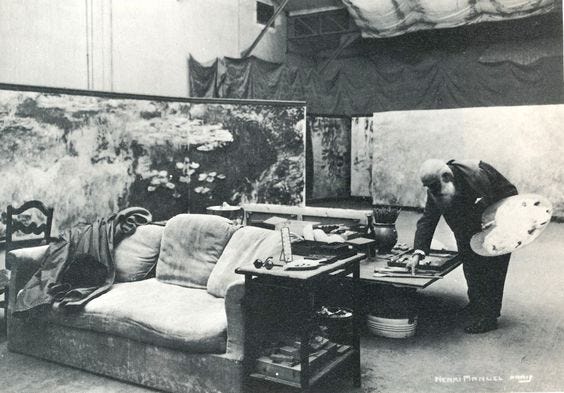
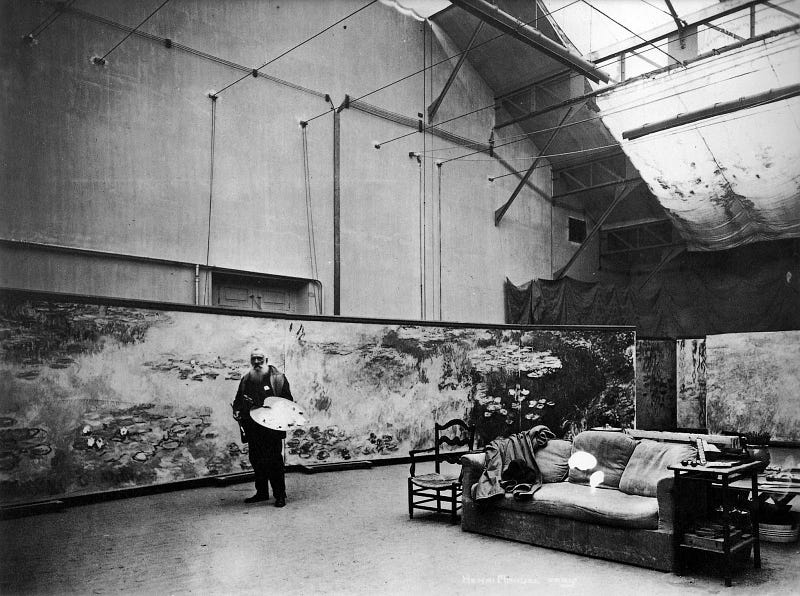
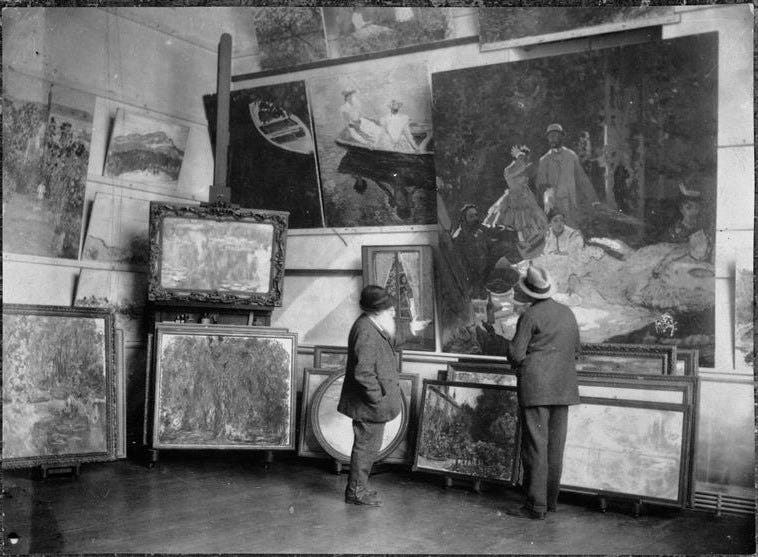
Important turning points in Monet’s career include the creation of his first outdoor painting, View from Rouelles, in 1858. The Paris Salon accepts his painting Woman in a Green Dress in 1866. Impression, Sunrise, Monet’s debut masterwork, is created in 1872. 12 of his pieces are on display in the first Impressionist exhibition in Paris in 1874. He starts working on Water Lilies in 1897, a project he would finish in his latter years. 1916 Monet starts working on the massive Water Lilies, which include the triptychs and paintings of the Panorama. Monet passes away from lung cancer in 1926.
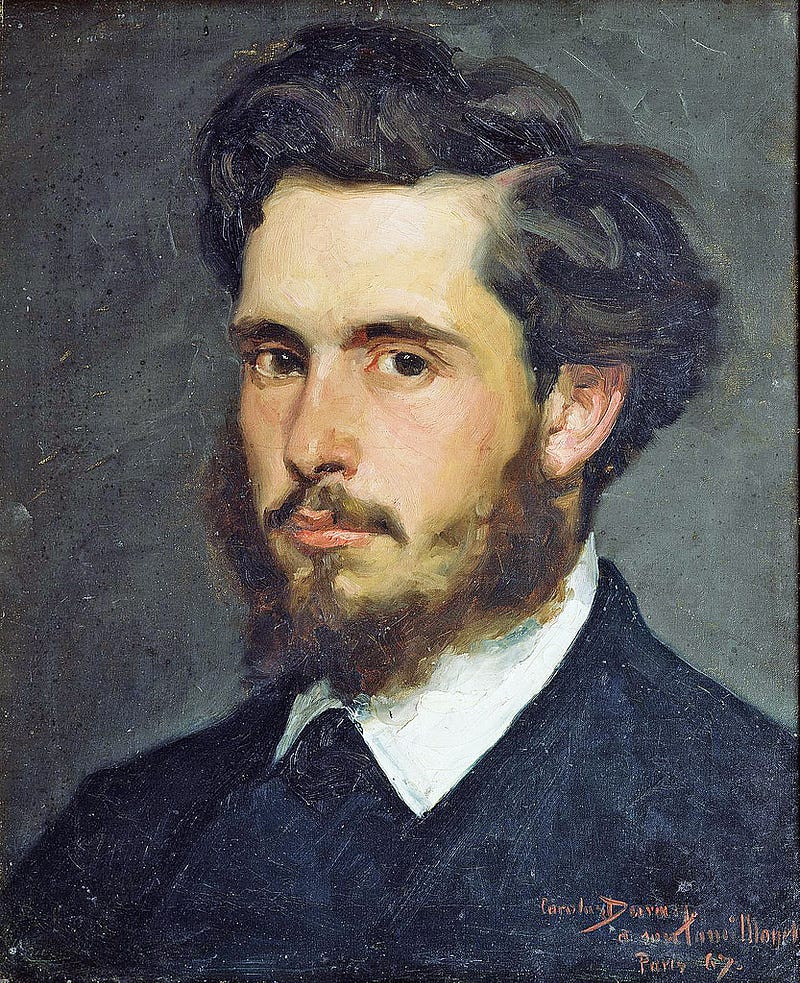
Monet began drawing cartoons in his notebooks as a young child, much to the chagrin of his father, yes, even geniuses didn’t pay attention in class, if that makes you feel better! Although Monet was a restless youngster, the painter Eugène Boudin in Sainte-Adresse noticed him and took him painting outside by the sea, which inspired his brushstrokes.
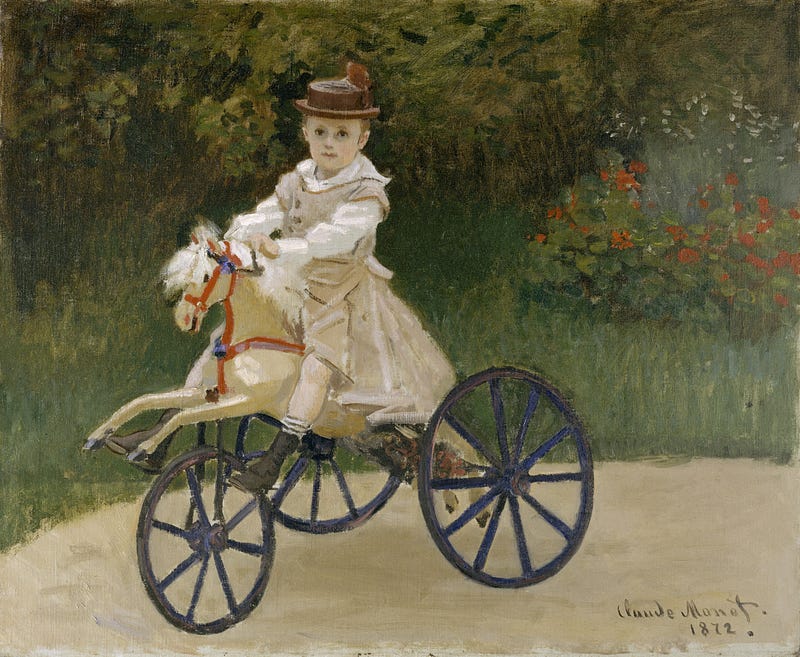
Monet frequently painted Camille, his wife. He painted a number of notable portraits, which was a smashing hit at the Paris salon in 1866. Monet thought of becoming a portrait painter as a result. He fell in love with nature, light, and the unstable, fragile quality of landscapes and colors when painting people in gardens.
Monet fit the mold of the doomed artist well. He did not lead a pleasant life while painting. In order to survive, he had to live apart from his wife Camille and return home to live with his parents after borrowing money from friends. His aunt took care of most of his requirements because his father only gave him a small amount of money. Later, in 1876, Ernest and Alice Hoschedé, two collectors, and Camille and Claude Monet grew friends. All four of them even shared a home together. Fortunately, Monet encountered renowned art dealer Paul Durand-Ruel in London in 1870, who provided him with professional support throughout his whole life.
Monet was born in Paris, France, but his family moved to Le Havre, a coastal town in Normandy, when he was a child. He developed a passion for drawing at a young age and began selling his caricatures. Monet moved to Paris to pursue his artistic career, where he studied at various art academies. He met other like-minded artists, including Pierre-Auguste Renoir and Camille Pissarro, who would later become his friends and collaborators.
Monet and a group of artists, including Renoir and Pissarro, began exhibiting their works independently from the traditional Salon exhibitions. In 1874, they held the first Impressionist Exhibition, which marked the birth of the Impressionist movement. Monet’s painting Impression, Sunrise inspired the movement’s name.
Monet is famous for his series of paintings that depict the same subject at different times of day and under varying light conditions. His series include Water Lilies, Rouen Cathedral, Haystacks, and Poplars, among others. In 1883, Monet and his family moved to the village of Giverny, where he lived for the rest of his life. There, he created a beautiful garden with a water lily pond and a Japanese bridge. Many of his most famous works were painted in his garden.
Monet’s style was characterized by his use of brushwork to capture the changing effects of light and atmosphere in his subjects. He often painted the same scene at different times of the day and in various weather conditions to explore the nuances of light and color. Some of his most famous works include Water Lilies, Impression, Sunrise, and Haystacks.
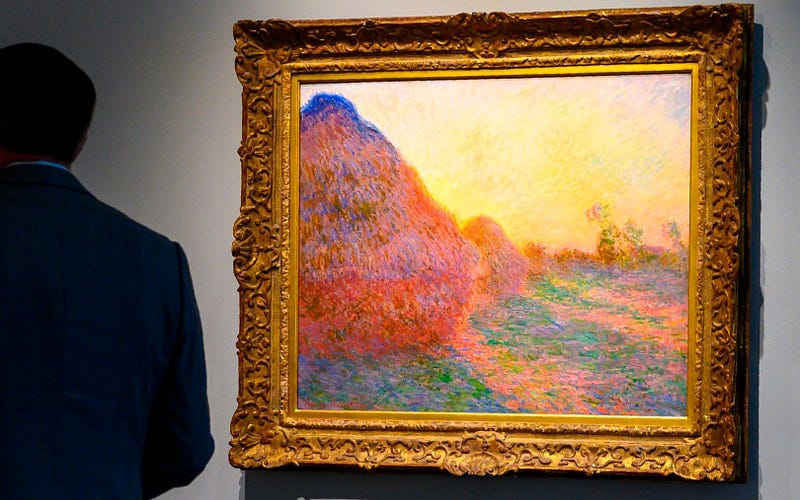
Meules from Monet’s Haystacks series was purchased for US $110.7 million at auction Impressionist & Modern Art sale in May 2019. Six bidders completed the auction in 8 minutes and reached the winning bid. Hasso Plattner was the final bidder, the co-founded the tech company SAP. Meules painting was acquired by a wealthy Chicago socialites directly from Monet’s dealer in the 1890s and remained in the family until it was bought at auction in 1986 by the present sellers for $2.53 million.
Monet produced over 2,000 paintings, including a wide range of subjects such as landscapes, seascapes, water lilies, and more. Some of his most well-known series of works include his Water Lilies, Haystacks, and Rouen Cathedral series. Monet’s prolific output and his contributions to the art world have made him one of the most celebrated artists in history.
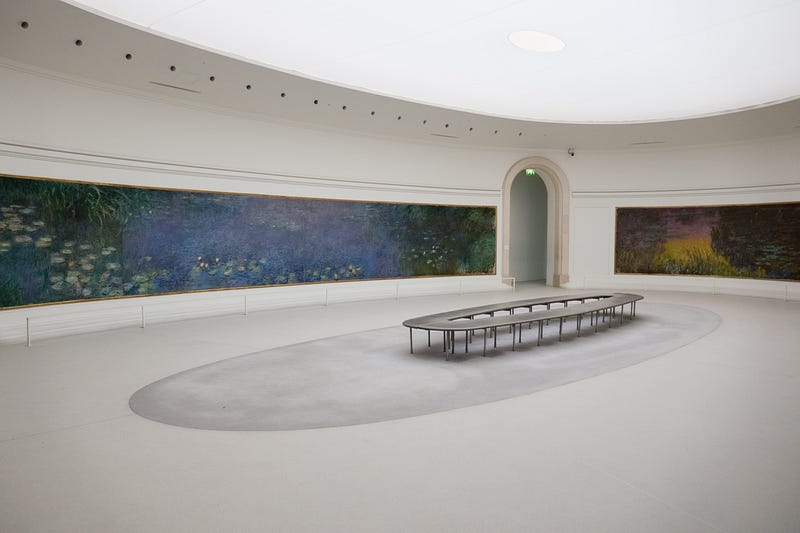
In 1914 The Louvre displayed 14 of his paintings, one of the rarest honors for a living artist. In 1926 his enormous water lily canvases were donated to the French government and are now on display at the Musée de l’Orangerie in Paris.
Monet is often considered one of the founders of Impressionism, an art movement that sought to capture the fleeting effects of light and color in nature. He continued to paint even in his final years. Monet dedication to capturing the transient and ephemeral aspects of nature and the world around him made him a leading figure in the Impressionist movement, which aimed to depict the immediate sensory experience of a scene. He loved art and never focused on politics or anything outside of art.