
Photos on the Run
Art Deco Divas of Florida
The Gems of Ocean and Collins in South Beach
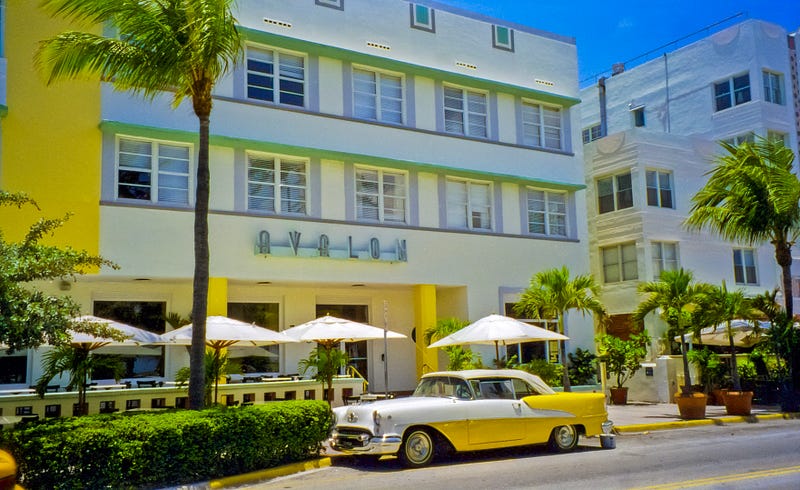
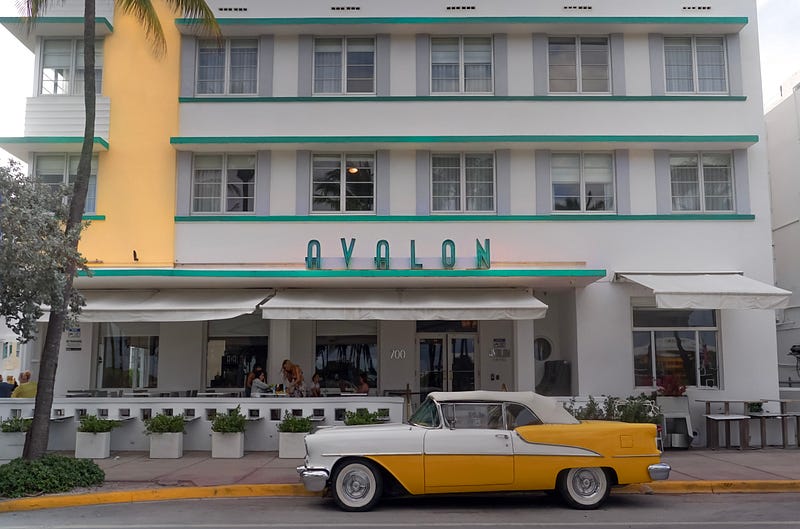
Here I was in Miami Beach for one day. After traveling on a long flight from Palm Springs, CA to where I live to Ft. Lauderdale, FL to my brother’s home a photography expedition to Miami Beach was on my docket.
My mission: photographing the Art Deco District in South Beach, a small strip of land containing the world’s largest Art Deco architecture collection.
My sister-in-law and I planned a photo trip where I was to photograph while she drove. So kind of her.
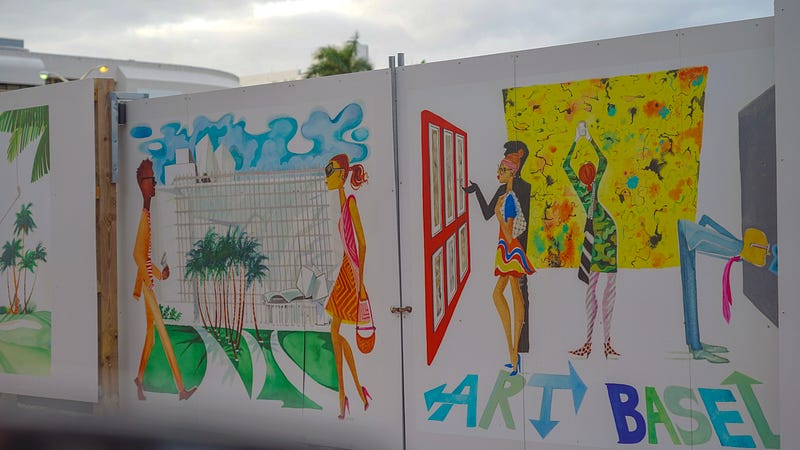
The photo shoot had not moved along as I planned. Miami Beach’s Art Basal was taking place.
The traffic was terrifying — jam-packed roads there and back, leaving me little time to photograph.
After several hours we arrived on the famous Ocean Ave, a want-to-be UNESCO site. (It should be!)
A Sole Photo-Op Stop
My sister-in-law pulled over about a block from the world-famous Avalon Hotel. After hopping out of the car, I ran one block with my bulky Sony Alpha A7 ii.
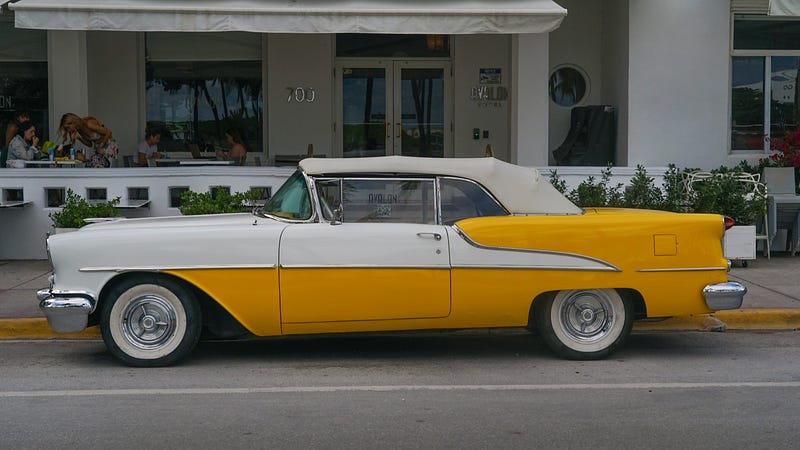
Once I got to the Avalon, was amazed to see the same car in front when I photographed it on film some 20 years ago.
I snapped away. These are the sharpest shots I took.
Photo Rescue
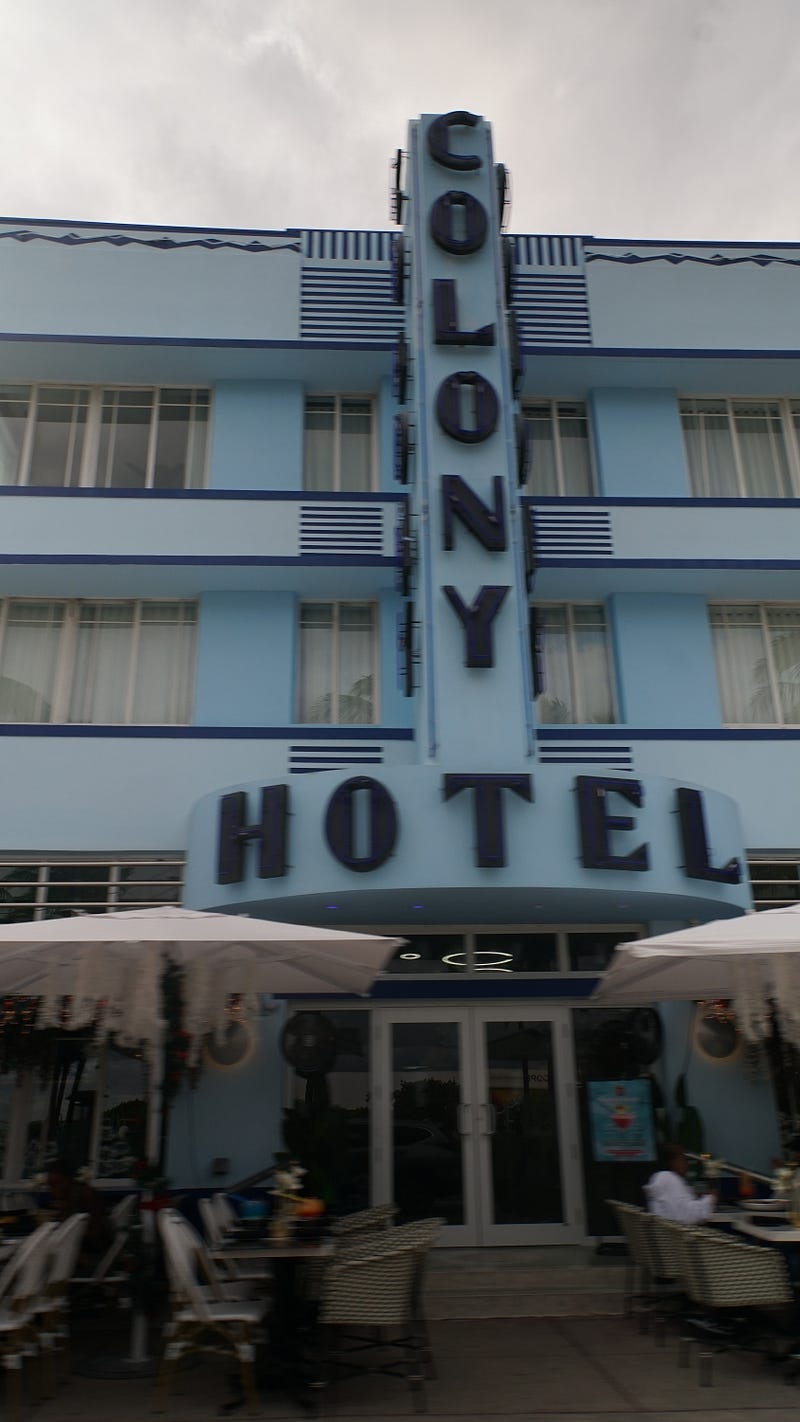
All of the rest had to be taken from the passenger car window, many turning out soft (blurred) because I forgot to change the ISO to 800 for fast shots while we were crawling with the traffic.
Here I was with my camera set in Av (Aperture Priority mode) at an f-stop of f/5.6 at 100 ISO. Way too slow a setting for quick shots of architecture taken in traffic.
After I processed the photos I felt like a fool, thinking, “Why did I do that?”
I should have set my camera in Auto mode and been done with it. Either that or widen the aperture (smaller f-stop) to f/4.0.
Then I looked at them again. About a third of them were okay.
Okay, I say, meaning they needed a hell of a lot of editing, including using the new AI feature, which isn’t perfect, yet sometimes works well for removing objects in the way of the shot’s focus.
The processing effort is another story, which I will not detail because of my frustration with having many lousy shots.
Determination
I was determined to fix them. The more I worked on some, the more work I felt they needed.
Finally, I made some headway. Enough of the shots were decent after intensive post-processing that I could write an article about the South Beach Deco. I was able to rescue a dozen or so, using heavy cropping and diddling with the selection and generative fill tools in Photoshop.
I had decided to write just about the awesome architecture, but then thought about the process, and discovered I could write a bittersweet photo essay about the trip.
(I admit that I got a little help from the editors of Full Frame.)
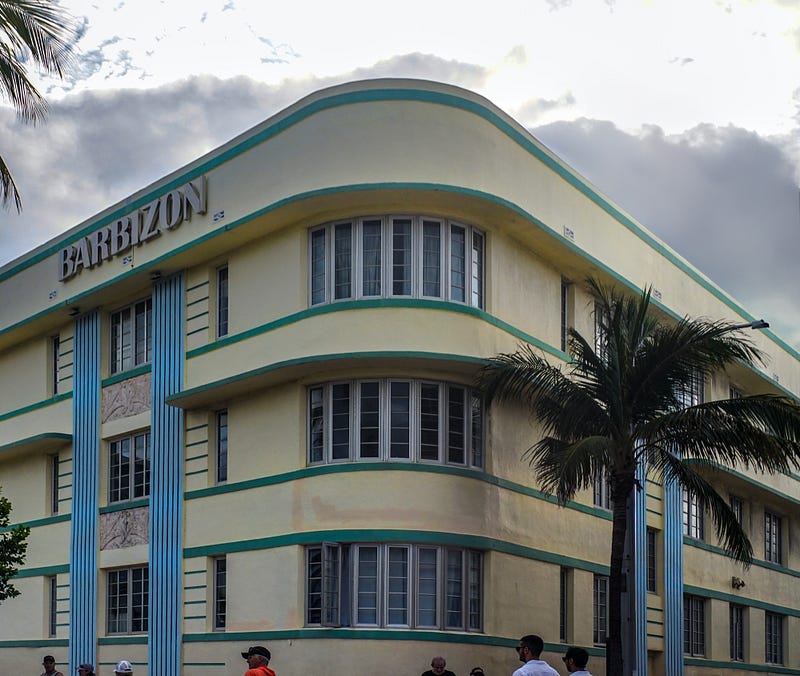
A Little about the Architecture; A Lot about the Photoing and Postprocessing
Architectural Eras are most clearly presented in photographs, as each era’s beauty is a visual ride through the past.
Art Deco is no exception.
One of the century’s most innovative and popular designs, Art Deco was a style that spread across the globe and contained the same forward-looking architectural aspirations of the earlier Art Nouveau period.
Art Deco was about finding beauty in geometric simplicity. First appearing in the 1920s and 30s, Art Deco made a comeback in the 1970s and 80s.
BEFORE
AFTER
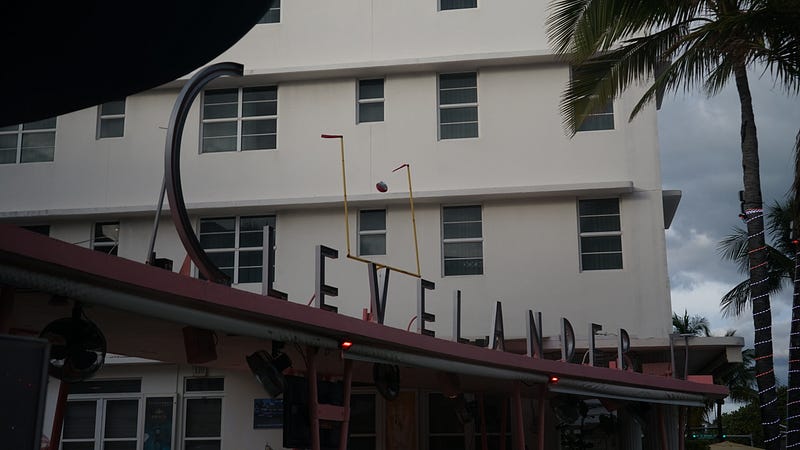
I had stepped into the bushes to take the picture and was asked to go in through the front entrance.
Shame on me.
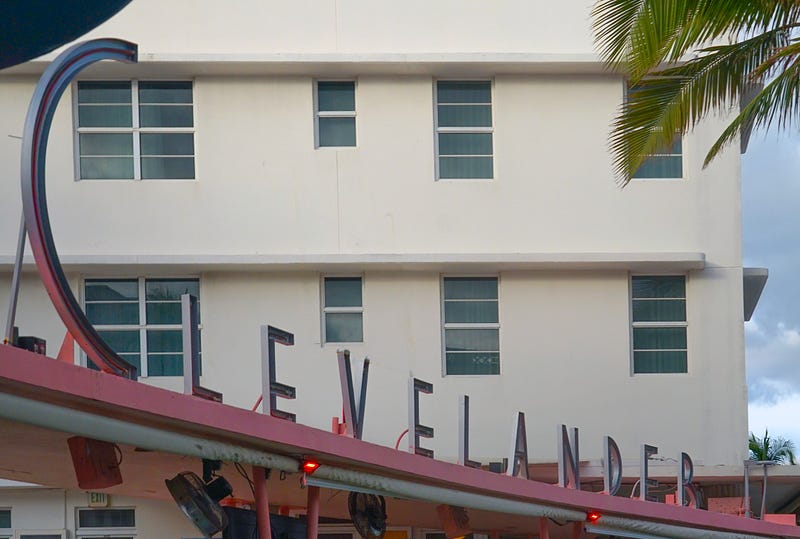
After the trip, it was time to edit the original in Photoshop 2024. I cropped and lightened it, as the dark clutter of outdoor fans below the tall neon letters was distracting.
Then I used the Generative Fill option to remove the yellow lines in the middle of the frame.
It worked marvelously.
Last, I tried the Generative Fill to remove the fans.
That was a no-no. So much for AI.
The time to leave it alone had arrived.
The Good Shot
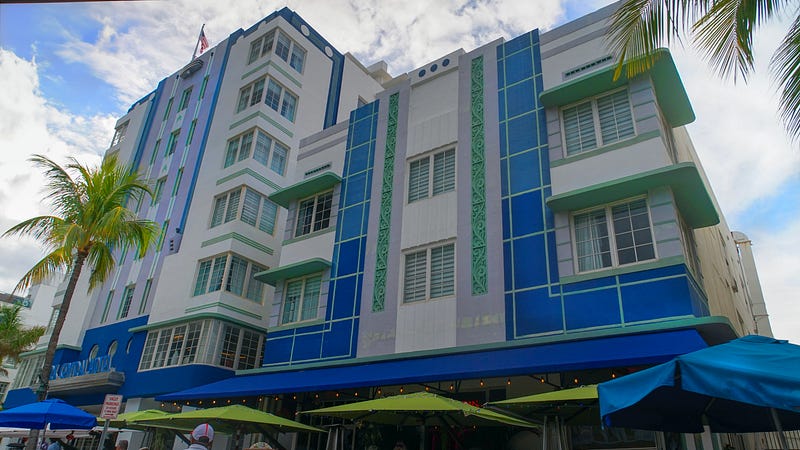
South Beach’s buildings underwent an overhaul in the 1990s as the district became a trendy spot for fashion and glamour. After previewing all of my photos, this was the only one I didn’t have to edit.
So much for car photoing in a rush on the run.
Why I didn’t set it in auto-mode is a mystery to me.
A distracted trip it was.
BEFORE
AFTER
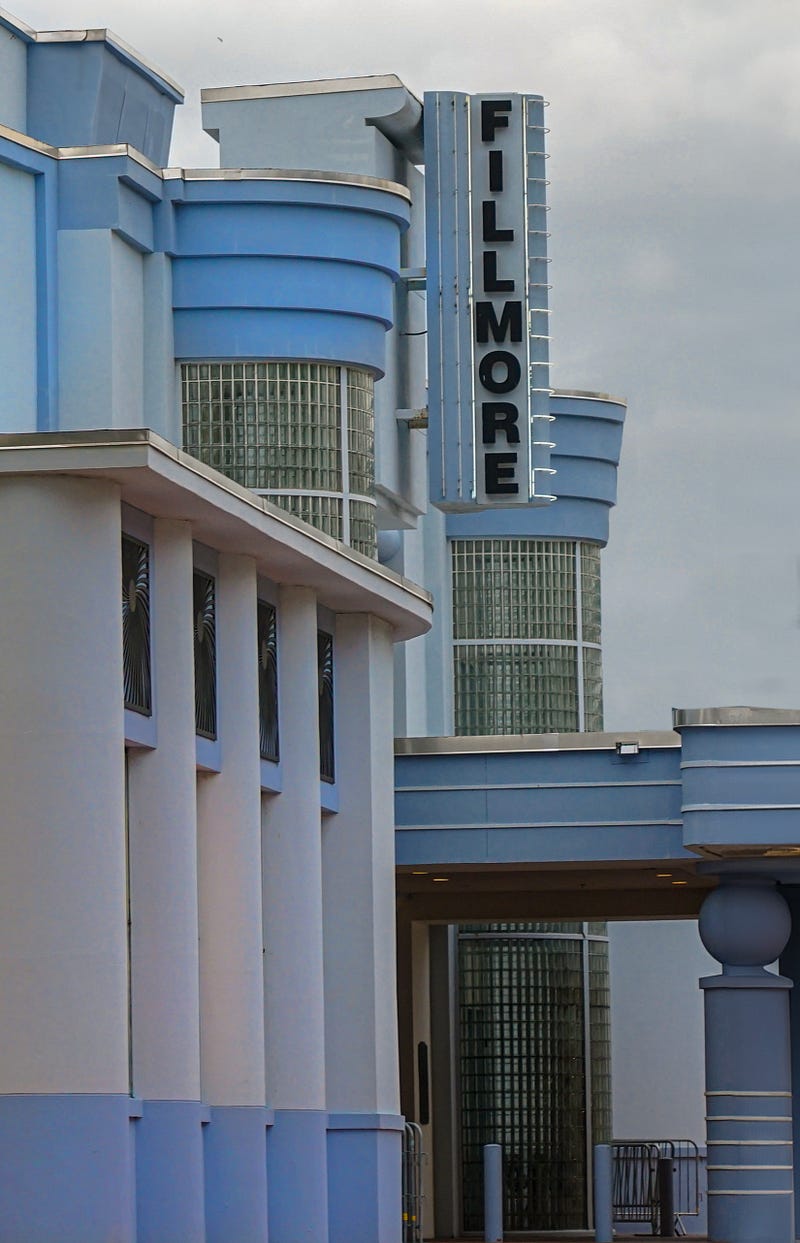
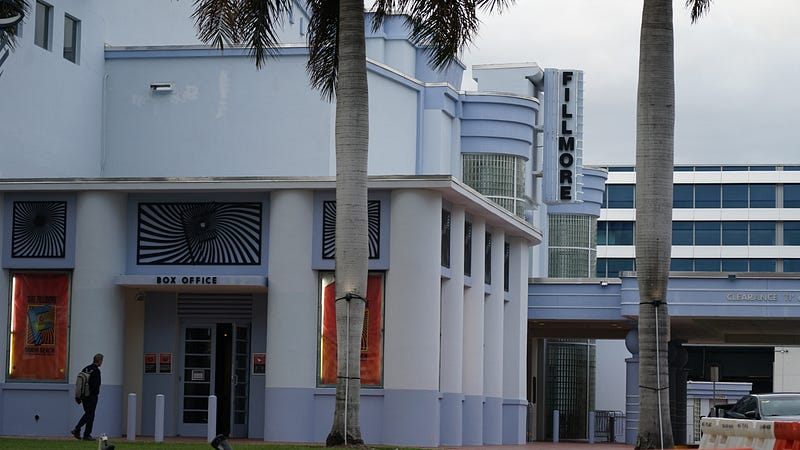
Live from Miami Beach, the sun and fun capital of the world. It’s the Jackie Gleason Show.
Back in the day, one would hear television sets focused on Miami Beach’s Jackie Gleason Theater where pleasant winter weather attracted millions from all over North America.
Today it’s the Fillmore Theater.
How sweet it was.
Heavy Duty Processing
Lots of processing here that included cropping, removing distracting elements with AI, and adding a bit of saturation — probably too much.
Now that I look at the final image, I’m really impressed with the design feature — so, so cool — from the round glass-block windows above and below to round concrete semi-circles. Loving it!
Now that you have a bit of the picture of how much processing I did, there’s no need to discuss the tweaks I made in the rest of the pictures.
Henrosa
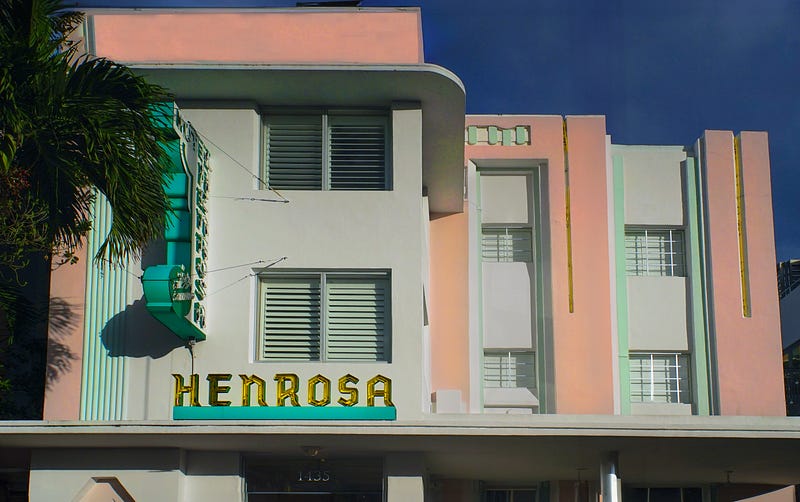
The hotel was built in 1935. No indication as to who Henrosa was, not anywhere to be found in cyberland.
All along Ocean Drive right on the beach and one block west on Collins Ave., Art Deco still flourishes.
Beach Plaza
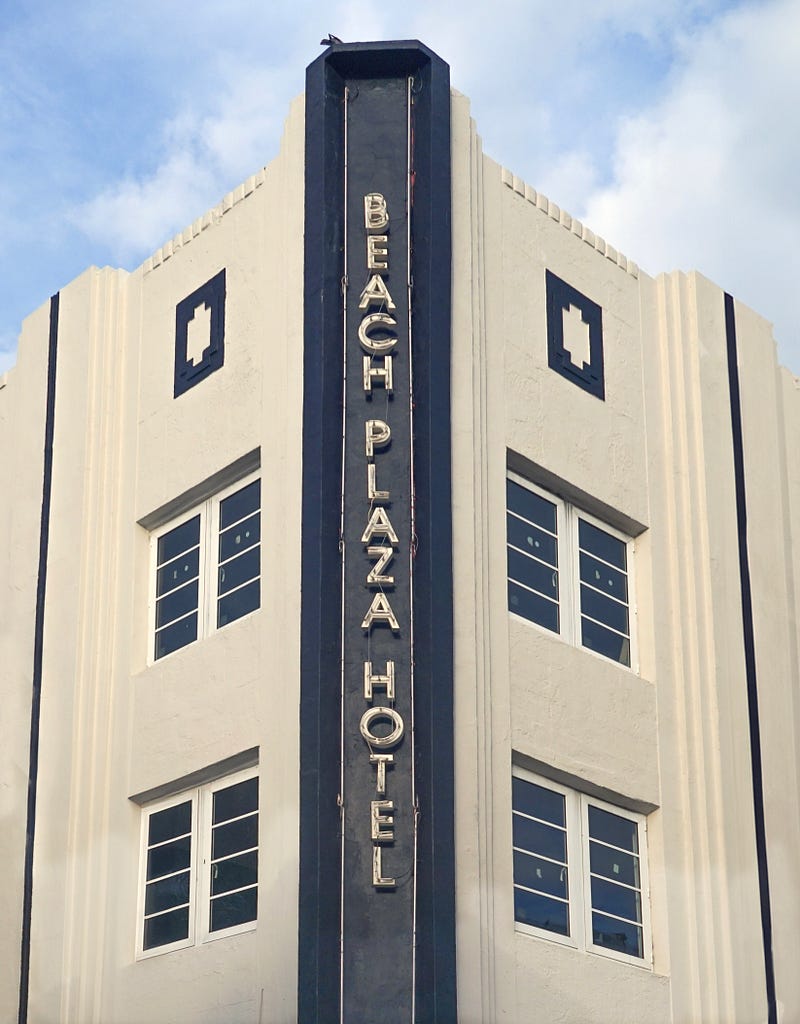
This gem is on Collins Ave. It, like many of the others, shows some wear and tear.
Even so, it’s amazing that in hurricane land these hotels still stand.
Lines straight up and down, dark gray and light beige offers Collins Ave contrast.
Essex House
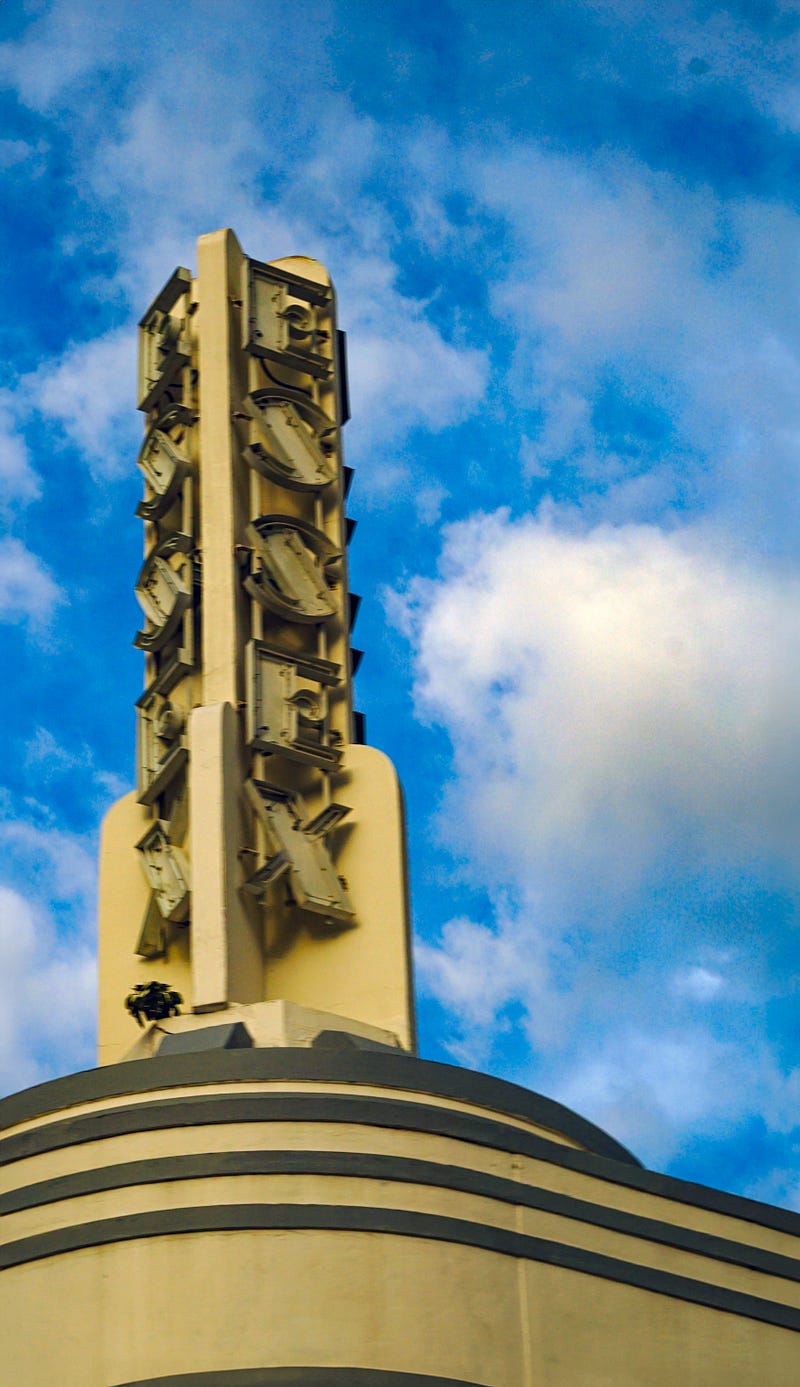
Pardon the softness in the Essex. The car was moving while I was shooting like a madman.
The Essex House was built to look like a ship. What you’re looking at in the picture above is a pretend smokestack.
A little imagination goes a long way!
A Note about Morderne
The Deco-era Modernization came in terms of moderne (associated with Art Deco of the 20s and 30s) and modern (associated with mid-century modern), both words having different implications.
Art Deco, streamlined and functional, setting the stage for future minimalist design.
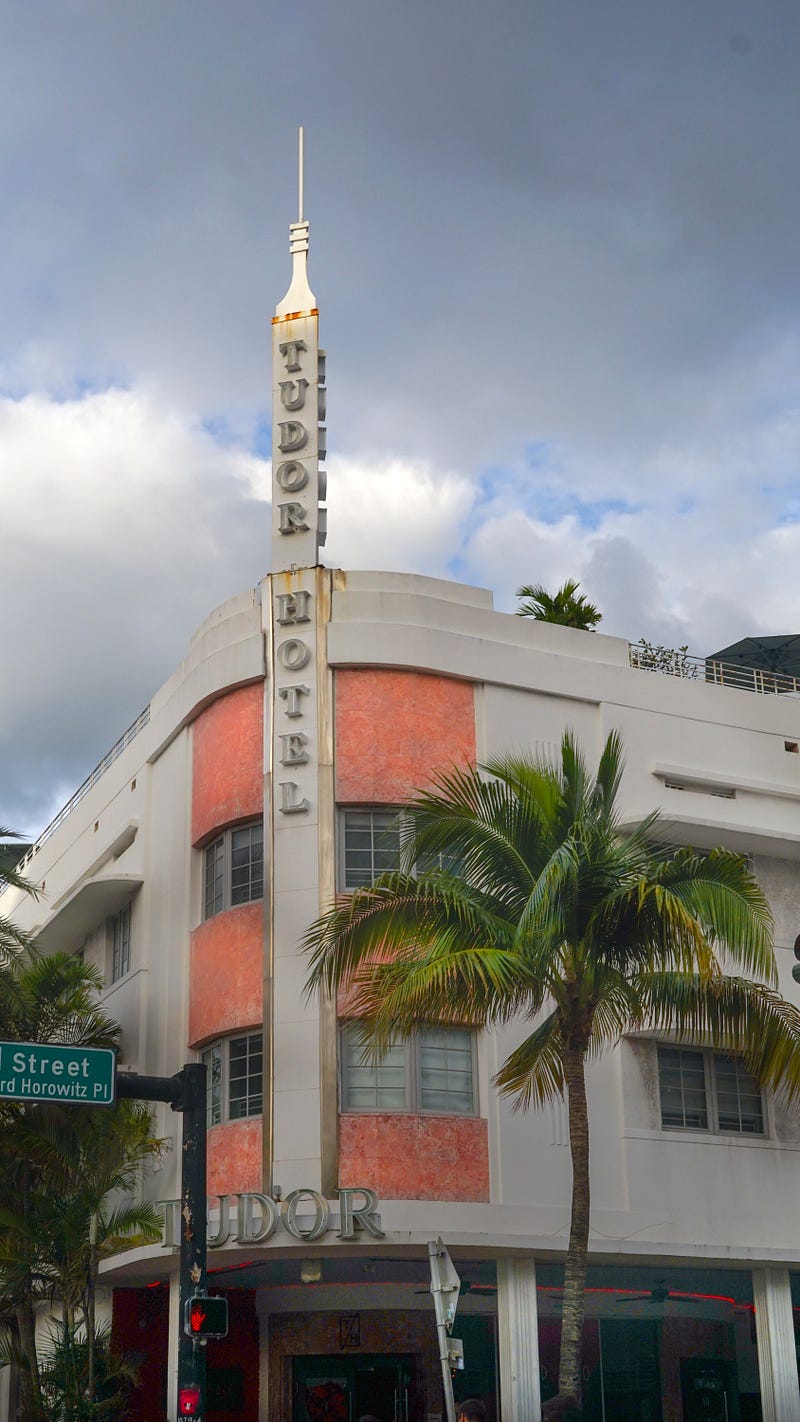
Tudor meets Deco might be an odd match, yet the Art Deco style contains stolen elements of the nearly thousand-year design. Perhaps that’s why this Art Deco hotel is the Tudor Hotel.
Miami Beach’s Art Deco Architectural District is the largest collection of such designs in the world.
Another addition to the photographer’s bucket list.
Conclusion
Writing can be difficult. Photography can be difficult. Life can be difficult.
Photography exhibitions need to be well-planned. I can’t emphasize that enough.
However, these forays into the street contain many barriers. Overcoming them takes determination and lots and lots of Photoshop!