
Are You Suffering From ‘Revenge Bedtime Procrastination’?
How to identify it and 3 research-backed ways to beat it.
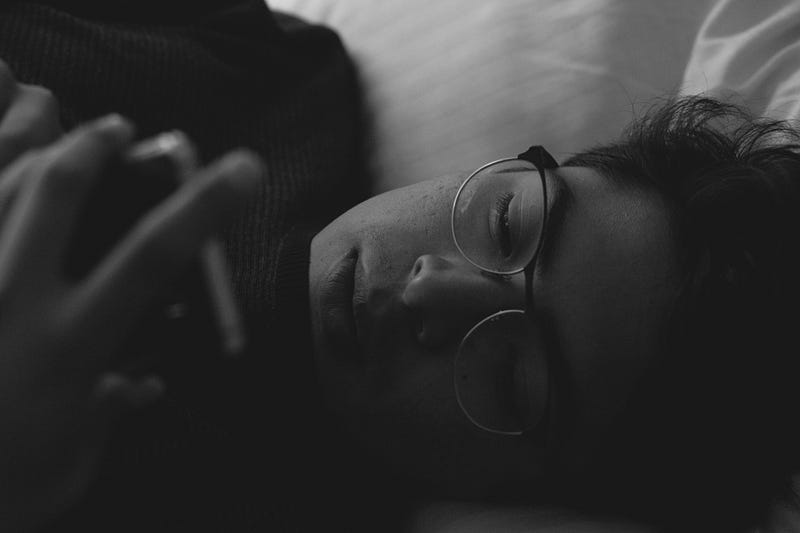
I would often schedule the most ridiculously productive days on my iPhone. It was my go-to gadget for everything. From journaling to writing my shopping list to keeping up with friends and family.
From the moment I would sluggishly drag myself out of my bed at 6 am, till about 8 pm in the evening, I would be immersed in a wave of productivity. Checking everything off from my checklist, I would head to the gym, then work for eight hours straight- with only a coffee break in between- completing various tasks that required my undivided attention.
I was obviously a productivity junkie. And checking things off my checklist gave me periodic dopamine boosts that made me feel accomplished.
But when daylight dwindled and everyone curled up into bed to rejuvenate their bodies with seven hours worth of sleep. I would lie awake and on my phone.
Scrolling through everything I had missed throughout the day, It was usually between the hours of 12 am–3 am that this FOMO would kick in.
After confessing to a friend of mine, a productivity whizz himself, he described this phenomenon perfectly to me. The universal term for what I was experiencing and why I was experiencing it.
Named in a 2018 study conducted in the Netherlands by researchers as revenge bedtime procrastination (RBTP abbreviated), this occurs when individuals deprive themselves of leisure time during the day to prioritise work. And as a result, this leads to staying up later than usual to get back the time lost out on work.
The study showed that people who engage in revenge bedtime procrastination do it to take ‘revenge’ in the daytime. Because they feel as though they are not in control of how they spent their time during the day.
Their days full to the brim with unsatisfying but crucial tasks that need to be completed, these individual fall prey to their desire of scrolling through their phones, binge-watching tv shows, and committing other self-indulgent activities. In a bid to reduce daytime stress.
In my case, I used RBTP to reward my self for pulling through the day. It was my equivalent of a cheat meal- that left me unable to focus the next day.
Understandably, with work becoming more decentralised and remote in spite of the pandemic, the line between work and leisure has been blurred. Many have fallen into the habit of sleeping later than usual. And as a result, increasing their likelihood of committing RBTP.
Having cured my predisposition to revenge bedtime procrastinate. Here are some of the steps I used to regain control over my sleep schedule.
Step 1: Stop depriving yourself of healthy ‘catch up time’
The truth is there is no reason for anyone’s schedule to so jam-packed unless it’s their last day to life and even if that was the case wouldn’t time be better spent with family and friends?
Don’t wait until you’ve checked everything off your planner to reward yourself. Take some time out during the evening to do the stuff you enjoy. If you like playing games- do that. If you just want to catch up on your Twitter newsfeed- then do that as well. Schedule your fun in; there’s no reason not to so long as you’ve completed the most important tasks first.
I know that saying ‘ schedule your fun in’ sorta saps the excitement out of it. But by incorporating fun little moments into my day I was able to remain more disciplined at night and alert throughout the day. My mind didn’t wonder, it didn’t crave ‘fun time’ because that was already scheduled in. I Didn’t give in to binge-watching Netflix at night, like it usually did, either.
In fact, the anticipation of getting my ‘fix’ in actually made me work even harder. And my focus throughout the day was better sustained because I wasn’t falling into bad habits at night.
Depriving yourself of healthy ‘catch up’ time will not only eat away at your willpower to continue working throughout the day. But it will also promote sleeplessness, anxiety as well as a deterioration in health. This was demonstrated in a 2010 study, where researchers found that enjoyable activities lead to lower levels of stress, less severe disease outcomes and greater longevity.
Step 2: Build an enjoyable night routine that doesn’t include screen time
Night routines are just as important as morning routines. If you want to set up the best possible day to work efficiently, and to get some ‘catch up’ time. Then you’re gonna need a solid night routine to ensure your body is in optimal condition.
After some research on the dos and don’ts of sleep hygiene. I put together a useful routine that helped me to get into bed quicker:
- No caffeine after 6 pm
- Drop everything I’m working on by 9 pm
- Head upstairs for a quick shower and do my skincare regimen
- Turn off all gadgets right before bed
- Light a candle
- Fill in my daily planner for the next day
- Journal and express gratitude
By starting the routine two hours early, I make sure to give my self enough time to get everything done so that I don’t rush.
The most important part of your nightly routine should be reducing screen time and avoiding caffeine. Caffeine has a multitude of benefits however past 6 pm those benefits come at the expense of sleeplessness and anxiety. This heightens your nervous system, increasing the likelihood of falling into RBTP.
Studies that have been conducted on ‘blue light’ emitted from our screens showed that nightly exposure can suppress melatonin : The hormone involved in sleep regulation. This then affects the circadian rhythm, your biological clock, which pushes back the time in which you fall asleep.
Nowadays, my routine includes a lot of ‘feel good’ fluff like lighting a candle, this just makes the whole process more enjoyable allowing me to look forward to my sleep. Your routine should also be customised to suit your needs.
Include what you enjoy: What would your ideal nightly routine consist of?
Step 3: Stay away from temptation. I bought an alarm clock and a real journal.
The iPhone ringer is the most anxiety-inducing sound known to mankind so this step was quite therapeutic. It also helped me sever all ties with my phone.
It’s never a good idea to go cold turkey on something you are addicted to doing. In my case I had fallen into the habit of using my phone at night, my laptop and Ipad also sat comfortably on my nightstand waiting to be used. I was surrounded by temptation and I knew that I needed a better system.
Building a better system means isolating the stuff you are prone to doing at night and replacing it with something better. If your a phone addict like me, start journalling instead or meditate if that’s what you would prefer to do. If you enjoy sipping on coffee at night, indulge your tastebuds by drinking some water. (Drinking water before bed has also been linked to better sleep.)
In my case, journalling was what helped me stay off the gadgets before bed. And the alarm clock prevented me from turning on my phone, even if it was for something as trivial as setting the alarm. I now had no excuses but to follow my nightly routine diligently.
In a nutshell
You have full control of how your day is spent. Start exercising this control by planning in advance your version of the best day. Not just the most ‘productive day’. But a day that will make you feel energised, excited and accomplished.
Ask yourself this:
Did I set up my day to be the best mix of work and relaxation/leisure for me?
Did I do all the stuff that I wanted to do today?
Be honest. If you did not, don’t fret. Use this time to figure out what you enjoy.
What haven’t you been doing lately because you feel as though you don’t have enough time?
Include it in your day. And don’t feel guilty about it, remember carving out an hour or two from your day won’t divert you from your goals. It will help you stay focused and refreshed. And above all, it will prevent you RBTP(ing ).


