
Are You Suffering From Quarantine Fatigue?
If you’ve stopped frequent handwashing, you can blame your brain

The coronavirus is still out there. There is no cure and no vaccine. New cases are added every day. This is partially due to increased testing, but it’s not the complete picture. Some US states are seeing increased hospitalizations, and Arizona is activating emergency plans.
So why does my Facebook feed look like it’s a usual summer? Why are so many people vacationing, heading to beaches, dining out, sending their kids to camp, getting their hair done, when there hasn’t been a cure and the disease continues to spread?
It’s called quarantine fatigue, and you can blame your brain for it.
People can’t stay on high alert forever
With no evidence to prove anything has changed, the world is opening up and people are venturing out into it. The same people that were carefully wiping groceries down with bleach wipes back in March are now eating inside restaurants without wearing masks. What is going on? Why the change in behavior?
It’s called caution fatigue. And it happens when we are confronted with prolonged exposure to a threat.
I lived in the dorms during my freshman year in college. At least once a week, someone pulled the fire alarm for a funny joke. Usually in the middle of the night. The first time this happened, my roommates and I hightailed it out of there as quickly as possible. You can imagine our reaction by the end of the year, after dozens of nightly wake-ups for nothing.
Although there was still a possibility the alarm was real, we’d experienced caution fatigue, and we no longer cared.
What is caution fatigue?
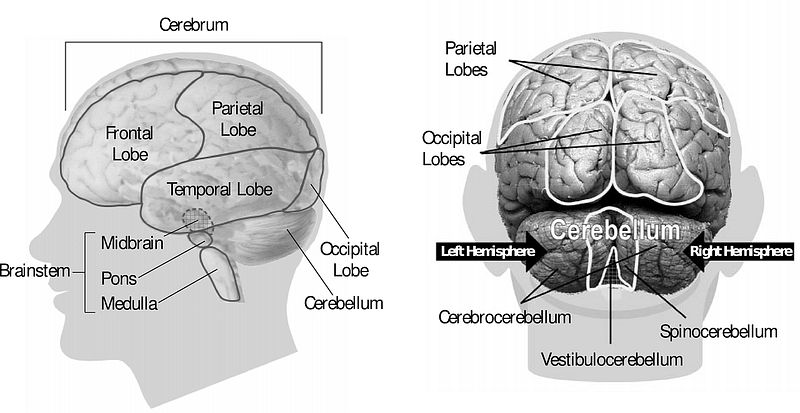
When you are threatened, your brain gets busy. Your amygdala (located in the temporal lobe) registers fear and communicates it to the rest of your body.
- Cortisol floods your system. This stress hormone can create problems if experienced long term.
- Adrenaline elevates your blood pressure and increases energy supplies.
- After the initial scare, the hippocampus (the decision making part of your brain, also located in the temporal lobe) takes charge. It helps you decide if the threat is indeed real. And this is when caution fatigue can hit.
When you have been carefully staying home and disinfecting groceries for months without becoming ill or seeing others you know become ill, your brain sends signals to your body that the danger is over. Or that it has lessened.
It doesn’t matter that cases are still rising. It doesn’t matter that some areas are seeing hospital beds fill to almost capacity. The threat hasn’t presented itself to you, so just like my roommates and I during months of false fire alarms, your brain is done worrying about it.
What to do now?
A worldwide pandemic causes immense stress. Stress zaps your energy and ability for self-control. We can help ourselves by the following:
- Practice self-care. Eat healthy food and get daily exercise. Find ways to relax. Take a walk, meditate, practice yoga, play video games, read books, or watch movies.
- Change your mindset and think altruistically. In the beginning, we were governed by fear. But now we can shift our motivation by moving away from fear and considering how we can help others. We wear a mask to stop spreading the virus to others and social-distance to protect loved ones.
- Be creative. Finding a way to conduct your everyday routine safely can be challenging and gives your brain something to do besides worry. Maybe an indoor fitness class is out, but socially-distanced yoga in the park might be in.
- Decide what risk you’re willing to take. We can’t stay inside forever. That doesn’t mean it has to be all or nothing. With businesses opening up, it’s up to us on a personal level to decide what risks we are willing to take. If you want an idea of how risky a particular activity is, you can check out this list. Experts have rated 36 activities from a scale of 1 to 10. Note: nothing on the list has zero risk.
- Vulnerable groups need to stay safe. If you’re in a vulnerable group, check with your doctor regarding safe activities.
The bad news is, this isn’t going away any time soon. Experts are warning of current spikes in some locations and a second wave for all of us this winter.
Now is not the time to let our guard down. But we don’t need to remain panicked either. We don’t have to let our subconscious rule. We can make informed decisions based on expert advice.


