
Food/Heath & Wellness
Are You Selective In Your Choice Of Fruits?
You might be unknowingly packing in high sugar in your quest for fruits.
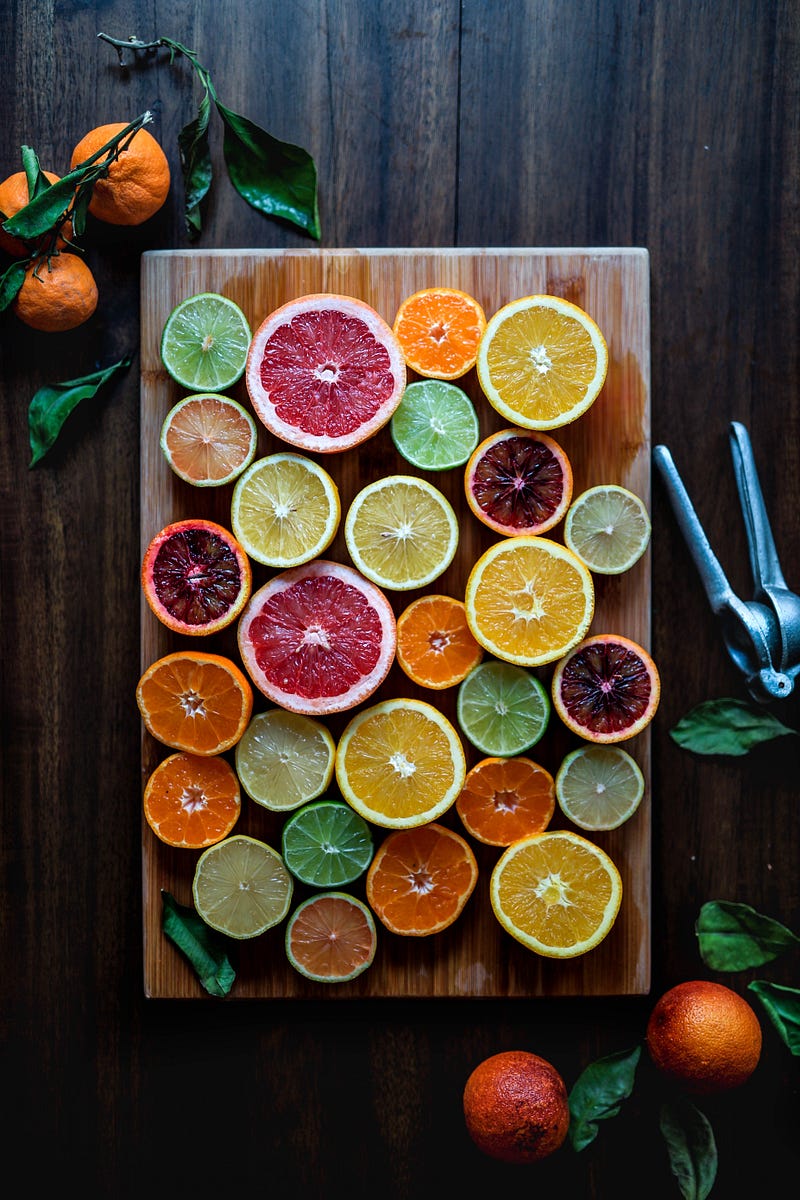
I normally break my fast with fruits anytime I feel like eating. It depends on when I am hungry, but it is usually late morning, as I practice intermittent fasting. My choice of fruits is those in season because I can buy them at their peak, and also cheaper than those not in season. I normally do not consider the sugar contents of the fruits that I breakfast with, but I try to avoid high-acid fruits like lemon, pineapples, grapefruits and their family first thing in the morning. I only try to eat different variations in a day, simply because I believe in food diversity.
Then I was reading an article yesterday that suggests that high sugar content fruits are not the best eat fruits first thing in the morning, especially for those trying to control their weight and or blood sugar. And if you must, the article advises, because they are plenty or in season, then you must limit the quantity consumed.
‘’Fruit’s good for you! It has fibre and other nutrients you need, so also has healing property. But it also has natural sugar, and some have more than others.’’
Let us look at some popular fruits for their sugar content. First, let us start with those with less sugar:
Fruits With Less Sugar
Cantaloupe
Cantaloupe is from the watermelon family and is low in calories and sugar and high in fibre. Cantaloupe is also high in potassium, and this might be a problem with people without optimum kidney function. If your kidney is compromised, it might not be able to filter all the potassium, which can lead to a condition called hyperkalemia.
Cantaloupe provides up to 106% of the RDA (Recommended Daily Allowance) of Vitamin A, 95% of the RDA of Vitamin C, and a high percentage of potassium and folate.
Papayas (Pawpaw in some cultures)
Papaya is a tropical fruit. It is not wise to eat a whole bunch of papaya in a go, so it is best to eat a slice or two, depending on the size. Papaya is high in Vitamin A, C and E. These are powerful antioxidants that can prevent the oxidation of cholesterol.
Papaya is high in the enzyme papain, which is said to promote weight loss and burn fat. In the industrial kitchen, papain is used to tenderise meat because of its property to break down dietary proteins, carbohydrates and fats.
Pregnant women are not to eat too many papayas, as they contain latex which can harm the foetus and induce contraction.
Avocados (Alligator pear/butter fruits in some cultures)
Avocado is about the fruits with the highest healthy monounsaturated fatty acids. Avocado is rich in Vitamins C, K, E & B6, niacin, folate, magnesium, potassium, riboflavin, lutein, beta-carotene, omega-3 fatty acid and pantothenic acid.
Most of these nutrients are available as healthy fats, so it is not wise to eat whole fruit in a day, just about half a day is enough, and limit it to twice a week to prevent the risk of fatty liver disease.
Guava
Guava is also a tropical fruit that is high in Vitamin C, (contains 275% of RDA), with traces of Vitamin A, K & B6. Guava is low in calories but high in fibre. Both the fruits (rind, seeds and flesh) and the leaves are edible. There are two types, white and pink. Both vary slightly in water content and nutrients but are the same.
According to the United States Department of AgricultureTrusted Source, 100 grams (g) of raw guava fruit contains:
- 68 calories
- 14.32 g of carbohydrates
- 8.92 g of sugars
- 0.95 g of fat
- 5.4 g of dietary fibre
- 417 mg of potassium
- 228.3 mg of vitamin C
- 624 international units of vitamin A
Raspberries & Strawberries
Raspberries are garden fruits that are an easy addition to deserts, as well as snacks between foods on their own. Like all berries, raspberries contain anthocyanins, which protect the brain cells from oxidative stress. Oxidative stress is linked to the high incidence of Alzheimer's disease.
Most berries are expensive because of the human labour in picking as to harvesting with a machine.
Fruits High In Sugar
Cherries
Cherries are stone fruits to measure before eating, simply because they are sweet, so it is easy to get carried away while eating. Cherries are high in Vitamin A, C & K, as well as potassium, magnesium and calcium.
‘’Antioxidants are vital for good health as they protect our cells from damage caused by oxidants, or free radicals. Cherries contain antioxidants known as anthocyanins and cyanidin which may have anti-inflammatory effects and initial research has shown that these antioxidants could be beneficial in inflammatory conditions such as arthritis, although more research is needed to replicate these results in human studies.’’ bbcgoodfood.com
Pears
Pears are both tropical and temperate fruits and are available all year round. Pears should be eaten with the skin on, because of the concentration of the antioxidant in the skin. There are seven varieties of pears, but they have the same nutrient content.
Watermelon
Contains mainly water which is full of electrolyte which hydrates the body. Watermelon should be sweet, if sour, it means it is not ready to eat. Watermelon contains an amino acid, citrulline, which is very helpful in transporting blood through the cells and also lowers blood pressure.
The high water content also ensures that it can detox the body, and there is evidence that a watermelon-only diet for five days can significantly result in weight loss and burn belly fat.
The lycopene in watermelon is higher than that of tomatoes.
Figs
Figs are very high in sugar, tear-drop-shaped fruits with loads of edible tiny seeds. Both the fruits, seeds and leaves are edible. Figs might be high in sugar, the fig leaf extract is used in lowering sugar levels and therefore balances the insulin level.
Mangoes
Mangoes are tropical stone fruits with several varieties. A whole medium-sized sugar has up to 45 grams of sugar, so about half should be eaten at once. Indeed eating a mango every day can make you put on weight, while overeating can give you diarrhoea.
Grapes
A cup of grapes contains about twenty-three grams of sugar, so it's best to eat half a cup at a time. Grapes come in black, red, and green, however, black grapes are known to be healthiest, as they are higher in antioxidants than the other two.
Bananas
Medium-sized bananas have fourteen grams of sugar, which might be a lot at a go. Bananas have the highest potassium than any fruit.
‘’One serving, or one medium ripe banana, provides about 110 calories, 0 gram fat, 1 gram protein, 28 grams carbohydrate, 15 grams sugar (naturally occurring), 3 grams fibre, and 450 mg potassium.’’ Harvard.edu
The Takeaways
It is a good practice to select your fruits under your nutritional value and your health. Not all fruits can be taken anytime and anyhow. And you do not need to break the bank to eat healthily.
Acidic fruits at night may delay or slow down your metabolism when the body is inactive.
The natural sugar in most fruits is considered to be low glycemic index (GI), this means it will not spike up the blood sugar level.


