
Are You Prepared When A Disaster Strikes?
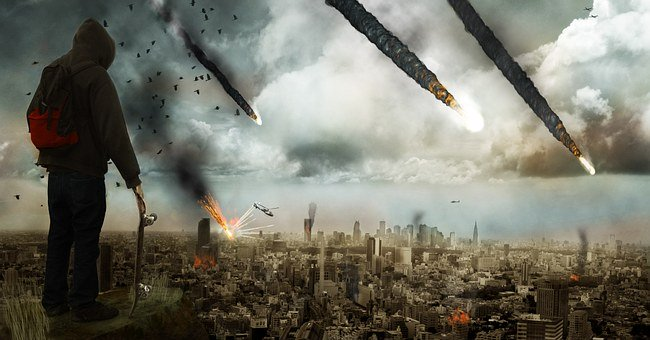
Let me ask you a simple but a serious question: Are you prepared when a disaster strikes?
It doesn’t matter where you live, chances are that sooner or later you’ll face some sort of a disaster that will leave you without power, water, or access to buy more. It could be a natural disaster like a hurricane, snowstorm, flood, tornado, or earthquake. Or it could be a man-made disaster that has the power grid failing or requires you to stay put in your home for a few days or even weeks. The world can be a harsh place, but there’s something we can do. We can prepare for the disasters most likely to occur in our area.
Your first step in your disaster preparedness should be to find out what types of emergencies you need to get ready for. Take a few minutes to review the types of disasters your area is prone to. This is particularly important for a natural disaster. If you live in Florida or the South Easter US coast, you should prepare for hurricane season. If you live in the North East or south of the Great Lakes, you should get ready for big snowstorms. If you’re in the Mid-West, or South West, chances are you’ll come across a tornado or two. In California, you may prepare for earthquakes.
Next, think about possible man-made disasters. If you live near a dam, you may need a plan of action for flooding. If you live near a nuclear plant, you should think about a way to get out quickly if something were to happen at the plant. You get the idea. What disasters we prepare for will be different for a lot of us and what sort of emergency plan you have will depend on those variables.
Once you have your list of disasters that you need to prepare for, it may be a good idea to consider if and when you would try to prepare to stay at your home and ride it out, and when it may be time to evacuate. Those decisions may be outside of your control, such as in the event of a mandatory evacuation, but there will also be plenty of times when the decision is up to you.
Think about what makes the most sense to you and your family. If you can stay put, you can take care of issues as they pop up and prevent further damage. If a storm blows out a window, you can board it up and prevent water from coming in for example. At other times, it may be safer and more convenient to get out of the disaster’s way. For those cases as well as mandatory evacuation, think about where you would go. Do you have family or friends you can stay with? If that’s not an option, look into an area you may want to travel to and get the numbers of a few hotels.
Things move fast when a storm hits and evacuations are ordered. You don’t want to waste time trying to make those decisions then and lose out on a hotel room for yourself and your loved ones. Shelters should always be a last resort. Trust me, it’s not the most comfortable place to make it through a disaster.
Let me ask you one more time: Are you prepared when a disaster strikes? Is all your family prepared for unexpected emergencies where you live? If you’re not, then I’d recommend you start thinking about these things. I do not want you to be caught unaware and not prepared for compromising, dire scenarios that may come your way. As the Bible says, we must always “Be sober and vigilant” because things can go wrong when we least expect them to be. Please share this with others if you enjoy and like this. Thank you for reading.
Below are some of my articles that you may also want to peruse and share. :-)