avatarCharlotte VanDerLouis

Free AI web copilot to create summaries, insights and extended knowledge, download it at here

2535

Abstract

ch anyone in any arena. Kids probably reach their upper limits of focused practice with fewer hours.</p><figure id="138e"><img src="https://cdn-images-1.readmedium.com/v2/resize:fit:800/0*biXpm4oT2RWfTLRy"><figcaption>Photo by <a href="https://unsplash.com/@cbyoung?utm_source=medium&amp;utm_medium=referral">Clark Young</a> on <a href="https://unsplash.com?utm_source=medium&amp;utm_medium=referral">Unsplash</a></figcaption></figure><p id="d01e">How well one improves with practice depends on several factors, such as the frequency it is engaged in, and the type of feedback that is available for improvement. If feedback is not appropriate (either from an instructor or from self-reference to an information source), then the practice could be ineffective or even detrimental to learning. If a student does not practice often enough, reinforcement fades, and he or she is likely to forget what was learned. Therefore, practice is often scheduled, to ensure enough of it is performed to reach one’s training objectives.</p><p id="b4cf"><b><i>How much practice is required</i></b> depends upon the nature of the activity, and upon each individual. Some people improve on a particular activity faster than others. Practice in an instructional setting may be effective if repeated only 1 time (for some simple verbal information) or 3 times (for concepts), or it may be practiced many times before evaluation (a dance movement).</p><figure id="def1"><img src="https://cdn-images-1.readmedium.com/v2/resize:fit:800/0*5CTA8oNcXdCO-cu8"><figcaption>Photo by <a href="https://unsplash.com/@morgpetphoto?utm_source=medium&amp;utm_medium=referral">Morgan Petroski</a> on <a href="https://unsplash.com?utm_source=medium&amp;utm_medium=referral">Unsplash</a></figcaption></figure><p id="4618">Skills fade with non-use.The phenomenon is often referred to as being “out of practice”. Practice is therefore performed (on a regular basis) to keep skills and abilities honed. The saying is true “use it or lose it.”</p><p id="8bd4">In general though, including at the beginning levels of learning, more practice is better practice. Daily practice of an hour or so will have a radically different impact than say fifteen minutes whether at the piano, kicking a soccer ball, or creative writing. Unless it’s excessive and leading to burnout or boredom, more practice time yields more learning.</p><p id="ce6c">Now let’s look at the quality of how someone practices. Getting good takes practice, consistent focused practice.</p><p id="6bda">Yes, great p

Options

erformers do practice with many repetitions, but these are mindful, not mindless, repetitions. Great learners visualize ahead of each repetition what specific improvement they are trying to accomplish. In addition, after each repetition they review what worked or didn’t work. That way they are continually debugging and upgrading their skills so that repetitions do not engrain mistakes but rather lead to better and better performance.</p><figure id="f4f8"><img src="https://cdn-images-1.readmedium.com/v2/resize:fit:800/0*5n-sqY4-GAbwGhmC"><figcaption>Photo by <a href="https://unsplash.com/@acrehuet98?utm_source=medium&amp;utm_medium=referral">Adrià Crehuet Cano</a> on <a href="https://unsplash.com?utm_source=medium&amp;utm_medium=referral">Unsplash</a></figcaption></figure><p id="fcab">Where do the ideas come from for analyzing what’s working and what’s not? That’s where top notch coaching turns out to be critical. Tiger Woods began with coaching from a dad who was himself an outstanding golfer. By age four Tiger already was also working with professional coaches carefully selected by his dad.</p><p id="2b20">Top ranked coaches know the nuances of how to do the activity they are teaching and therefore are able to give detailed feedback.</p><p id="1f17">Research on therapy effectiveness has found a similar phenomenon. Therapists who give more and more detailed feedback to their clients bring about more positive therapeutic outcomes.</p><p id="f5d9">Few learners have the luxury of having a coach to practice with them all the time. So self-coached deliberate practice is vital.</p><figure id="1396"><img src="https://cdn-images-1.readmedium.com/v2/resize:fit:800/0*lHxkxKQCDFJ7oA3I"><figcaption>Photo by <a href="https://unsplash.com/@kaitlynbaker?utm_source=medium&amp;utm_medium=referral">Kaitlyn Baker</a> on <a href="https://unsplash.com?utm_source=medium&amp;utm_medium=referral">Unsplash</a></figcaption></figure><p id="d407">The ones who are gaining most in their skill development do indeed utilize the following practice skills; they do a specific action, and then they reflect, figuring out what to do differently the next time. They work on small specific sub-skills, and gradually put these together into longer sequences. By the time they tackle the overall project again, their level of performance has bumped up significantly.</p><p id="9458">The moral of the story: practice often, practice with deliberate focus, and you too can master whatever skill your passions lead you to.</p></article></body>

Are You Practicing The Right Way?

For Olympic gold, or top awards in school, arts, or your writing, learn to practice the right way.

Photo by Giorgio Trovato on Unsplash

Many athletes work at continually upgrading their skills when they are winning. When they are performing less well, ineffective practice is almost always a significant component of their drop in success.

Children who have an intuitive sense for how to practice efficiently and effectively quickly become highly skilled at activities they enjoy. Whether it’s mastery of skateboarding, fencing, playing piano or drawing dragons, the kids who love to practice become most outstanding in their endeavors.

Photo by Renith R on Unsplash

The good news is that being good at practicing is a skill that can be learned. The biographies of great performers and also academic research on learning says that while talent helps, the two main keys to excelling at anything are quantity and quality of practice.

The day you plant a seed is not the day you eat the fruit. Photo by Jeremy Bishop on Unsplash

Are there upper limits to how much quantity is good? More isn’t better if it becomes too much. The upper limit of hours per day of practice for highest level adult professionals tends to be four or five hours, broken up into sessions lasting no more than 60 to 90 minutes. More time than that leads to boredom, inability to focus or concentrate, and burn-out. That’s the same for writers, athletes, musicians, chess champions and probably pretty much anyone in any arena. Kids probably reach their upper limits of focused practice with fewer hours.

Photo by Clark Young on Unsplash

How well one improves with practice depends on several factors, such as the frequency it is engaged in, and the type of feedback that is available for improvement. If feedback is not appropriate (either from an instructor or from self-reference to an information source), then the practice could be ineffective or even detrimental to learning. If a student does not practice often enough, reinforcement fades, and he or she is likely to forget what was learned. Therefore, practice is often scheduled, to ensure enough of it is performed to reach one’s training objectives.

How much practice is required depends upon the nature of the activity, and upon each individual. Some people improve on a particular activity faster than others. Practice in an instructional setting may be effective if repeated only 1 time (for some simple verbal information) or 3 times (for concepts), or it may be practiced many times before evaluation (a dance movement).

Photo by Morgan Petroski on Unsplash

Skills fade with non-use.The phenomenon is often referred to as being “out of practice”. Practice is therefore performed (on a regular basis) to keep skills and abilities honed. The saying is true “use it or lose it.”

In general though, including at the beginning levels of learning, more practice is better practice. Daily practice of an hour or so will have a radically different impact than say fifteen minutes whether at the piano, kicking a soccer ball, or creative writing. Unless it’s excessive and leading to burnout or boredom, more practice time yields more learning.

Now let’s look at the quality of how someone practices. Getting good takes practice, consistent focused practice.

Yes, great performers do practice with many repetitions, but these are mindful, not mindless, repetitions. Great learners visualize ahead of each repetition what specific improvement they are trying to accomplish. In addition, after each repetition they review what worked or didn’t work. That way they are continually debugging and upgrading their skills so that repetitions do not engrain mistakes but rather lead to better and better performance.
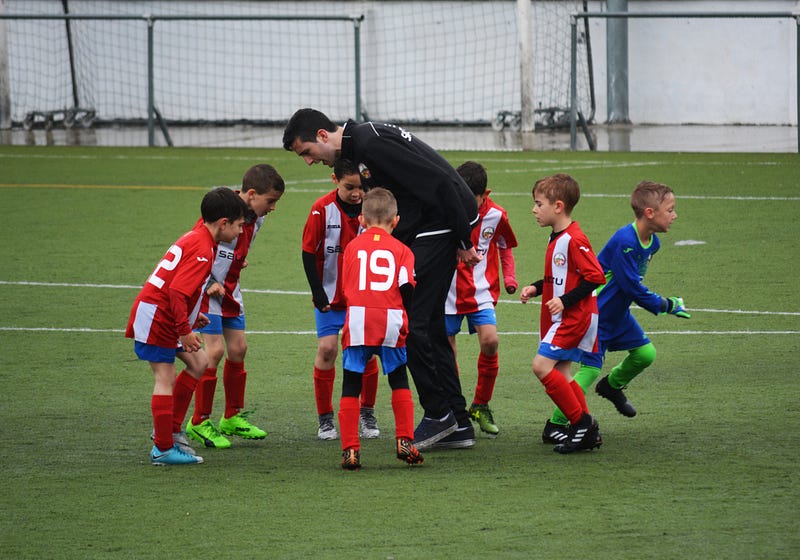
Photo by Adrià Crehuet Cano on Unsplash

Where do the ideas come from for analyzing what’s working and what’s not? That’s where top notch coaching turns out to be critical. Tiger Woods began with coaching from a dad who was himself an outstanding golfer. By age four Tiger already was also working with professional coaches carefully selected by his dad.

Top ranked coaches know the nuances of how to do the activity they are teaching and therefore are able to give detailed feedback.

Research on therapy effectiveness has found a similar phenomenon. Therapists who give more and more detailed feedback to their clients bring about more positive therapeutic outcomes.

Few learners have the luxury of having a coach to practice with them all the time. So self-coached deliberate practice is vital.

Photo by Kaitlyn Baker on Unsplash

The ones who are gaining most in their skill development do indeed utilize the following practice skills; they do a specific action, and then they reflect, figuring out what to do differently the next time. They work on small specific sub-skills, and gradually put these together into longer sequences. By the time they tackle the overall project again, their level of performance has bumped up significantly.

The moral of the story: practice often, practice with deliberate focus, and you too can master whatever skill your passions lead you to.

Practice
Writing Tips
Psychology
Consistent
Patience
Recommended from ReadMedium