
Free Will
Are You in Control of Your Mind? “No,” Says Neuroscientist Sam Harris
If you think you are, did you choose to think that?
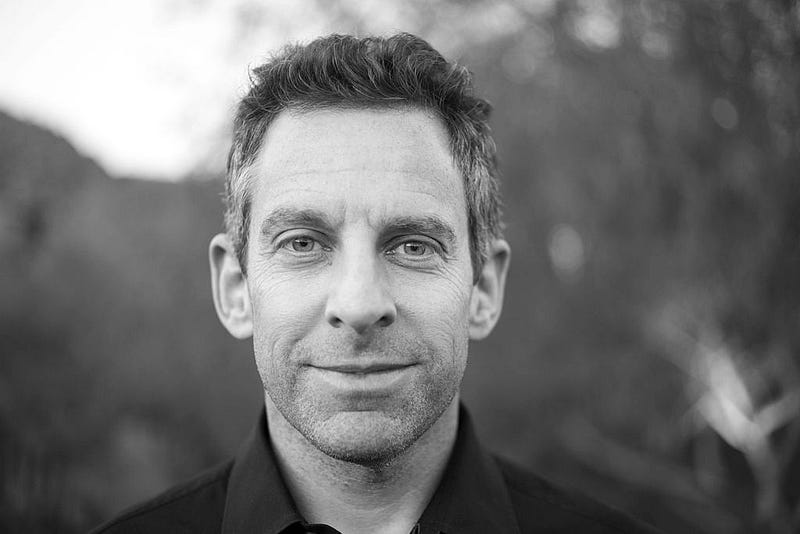
“You are not in control of your mind — because you, as a conscious agent, are only part of your mind, living at the mercy of other parts.” ― Sam Harris
You may be under the impression that you consciously make decisions. But that’s not how the brain works. Take a look at this:
In this experiment, participants believed they made decisions they didn’t actually make. Someone else decided for them without them realising it.
This is just a more obvious example of what’s going on all the time in our daily lives.
Take shopping, for example. If you walk into a supermarket, you might think you are making free choices about what you buy, but you’re not. You are being manipulated all the time in ways you’re not always aware of:
- Store layout
- Special offers
- Product appearance
- Smells
But our brains also get tricked by illusions, as Dan Ariely points out in his wonderful TED Talk:
Decisions with several options cause us to avoid making those decisions. If the decision is made for us, we will usually just go along with that. This is even true of experts such as medical doctors.
Also, the range of available choices makes a difference to what we end up choosing. One great example is that of a subscription to a magazine. You’re given three options:
- Website subscription for $59
- Print subscription for $125
- Print and website subscription for $125
Most people would choose the third option because compared to the second one it looks like the best deal. But if the second option is removed, then the website subscription for $59 is the preferred option.
The same principle can apply to success with dating. To appear more attractive, hang out with a less attractive version of yourself. That way, you’ll look like the better option by comparison.
This highlights two things about human nature:
- How easily we can be manipulated.
- We don’t really know our preferences particularly well.
We think we know what we want and that we choose what we want, but that’s not actually true. The context in which the options are presented to us changes our preferences.
Notable responses
From Waylon Barrett:
I think people believe they have free will because they cannot detect the truly enormous and near-constant effect of chance upon their experience. The universe local to you spatially and temporally is so unbelievably complex at relevant scales that “you” have never once taken on the task of choosing a next moment for yourself. You would know if you had. It would have been the hardest problem you ever solved.
Read my other article about free will:
Join Medium to Read Unlimited Articles or Earn Money From Your Own Articles


