
Are You in a Relationship with an Abusive Partner? Here’s What to Do
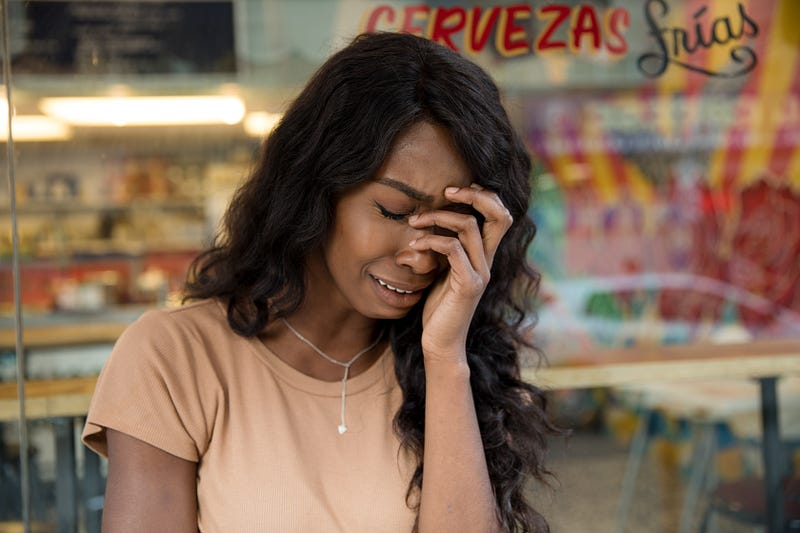
Are you in a relationship with someone who is abusive?
If so, it’s important to take steps to protect yourself and get out of the relationship.
Abuse can take many forms, including physical, sexual, emotional, and financial. No one deserves to be treated this way, and it’s not your fault.
It’s not always easy to identify an abusive partner. In fact, many victims don’t even realize they’re in a bad relationship until it’s too late.
If you think you might be in an abusive relationship, it’s important to know what to look for and how to get help. This blog post will outline the signs of an abusive partner and provide advice on what to do if you find yourself in this situation.
Abusive Partner Checklist
According to The National Domestic Violence Hotline, if you answer “yes” to even one of the following questions, there’s a good chance you’re in an abusive relationship:
Does your partner always blame you for their own mistakes and shortcomings?
Do they try to control who you see and where you go by checking your cell phone, tracking your movements, and monitoring your email and social media accounts?
Does he or she insult you or humiliate you in front of other people?
Do they become angry when drinking alcohol or using drugs?
Are you afraid of how your partner will react to things you say or do?
Have they threatened violence if you leave them?
Has your partner ever threatened to hurt or kill you?
Have they ever hit, slapped, choked, kicked, or otherwise physically hurt you?
If you answered “yes” to any of these questions, it’s possible that your relationship is abusive. If this is the case, take steps to protect yourself and get out as soon as possible.
Abusive People and Relationships
Do you believe that your abuser truly cares about you?
That might be true on occasions, but the fact is that many abusers care more about controlling their partners than loving them.
In an abusive relationship, your partner often sees you as a possession rather than as a person. Abusive people want to control those they care about to keep them from leaving or seeking help.
What is an abusive relationship?
The National Domestic Violence Hotline defines an abusive relationship as one in which a person is being controlled, manipulated, or threatened by their intimate partner.
It’s common for abusers to be jealous and possessive toward their partners, trying to isolate them from family and friends so they have more control over them.
In some cases, abusive behavior is a means of self-protection or a way to compensate for feelings of inadequacy or low self-esteem.
Abusive people might lash out at their partners because they feel bad about themselves and think that intimidating someone else will make them feel better.
Sometimes, the abuser feels justified in his or her actions because he or she believes it’s their partner’s fault they’re angry in the first place.
In most cases, abusers were victims of abuse themselves as children. They might have experienced neglect, been emotionally or physically abused by a parent, or witnessed violence at home. As adults, these people often find themselves repeating the same patterns of behavior they endured as children.
Remember that you are not to blame for your partner’s abusive behavior, regardless of what the abuser may say. Your abuser might accuse you of provoking them or suggest that somehow.
You’re just as bad as they are because things don’t always go their way. Don’t give in to these tactics and don’t accept any apologies from your abuser.

How can you deal with an abusive relationship?
The important thing is to recognize the problem and find a way out of it, regardless of whether or not your abuser is willing to change.
In some cases, they might need professional help before things can improve in your relationship. Even if your abuser does seek treatment, remember that you shouldn’t wait around for them because there’s always the risk of future abuse.
If you need help getting out of an abusive relationship, contact The National Domestic Violence Hotline or talk with a trusted family member or friend. You can also visit the National Dating Abuse Helpline website for more information on abusive relationships and how to get yourself out of one safely.
Of course, it is advisable that you seek professional help from a psychologist or counselor. This will allow you to discuss the situation in a safe and confidential environment, either over the phone or during an appointment.
Psychologists can listen to identify your relationship problems and associated symptoms accurately. They will then provide therapeutic treatment options that may be able to resolve the issues causing them, including marriage counseling for couples.
The next step, which you can take by yourself or with your partner, is to address any underlying causes. These could include low self-esteem, anxiety, or depression.
There may also be certain habits or behaviors that cause problems in your relationship, such as drug addiction or alcohol abuse.
Once you’ve identified the issues causing problems in your relationship and checked to see if any of them are actively causing abuse, you’ll have a better idea of what steps you need to take next.
For some, this might mean seeing a counselor or joining a support group. Others may benefit from therapy sessions with their partner.
According to the National Domestic Violence Hotline — If you’re dealing with an abusive relationship, remember that there are options available. Contact The National Domestic Violence Hotline for more information about abusive relationships and how to get safely out of one.
In the end, any abuse is unacceptable and there are no excuses for it. Take steps to protect yourself from your abuser and find a way out of the situation as soon as you can.
There are resources available to help you get safe and start building a new life. Don’t hesitate to reach out for help. You deserve better than this.
SAFETY ALERT
If you are in danger, please call The National Domestic Violence Hotline at 1–800–799–7233 / TTY 1–800–787–3224 or the StrongHearts Native Helpline at 1−844–762–8483 (call or text) are available to assist you.
Thank you for reading. As always, I appreciate any feedback or additional information/knowledge you can share with me in the comments section.
If this article is helpful to you and your friends, feel free to share or copy and paste it in an e-mail or on social media.
Thanks for reading. I hope you enjoyed reading this. Feel free to join my newsletters. Grab your free e-book on how to master your finances and romantic engagements.
If you’d like to support me as a writer, consider signing up to become a Medium member through my referral link. It’s $5 per month. You will get unlimited access to stories on Medium. Click here to sign up. If you sign up using my link, I’ll earn a small commission.