
Are You Creating Your Stress & Anxiety?
Take a page from the instruction manual for the game of life
We’re all born without an instruction manual for the game of life. We rely on our parents, relatives, teachers, and mentors to show us how it works. Yet they never had an instruction manual themselves. Sure, they’ve had more experience at the game of life than we have. But some of them might never have made it past the first levels of the game.
We spend our lives trying to understand how it works and how to be happy. We look for gurus who may have figured it out and buy their books or pay them to teach us. Sometimes we learn valuable lessons that we wish we’d discovered earlier. Why has someone not put together an instruction manual and issued it to every baby when it’s born? Or at the very least, they could have taught us these things at school.
I’m not claiming to have all the answers. I’m still in the infancy of my journey and learning more every day. But I would like to share some things that I’ve realized to be true so far.
Our reality is like a 360° multimedia extravaganza.
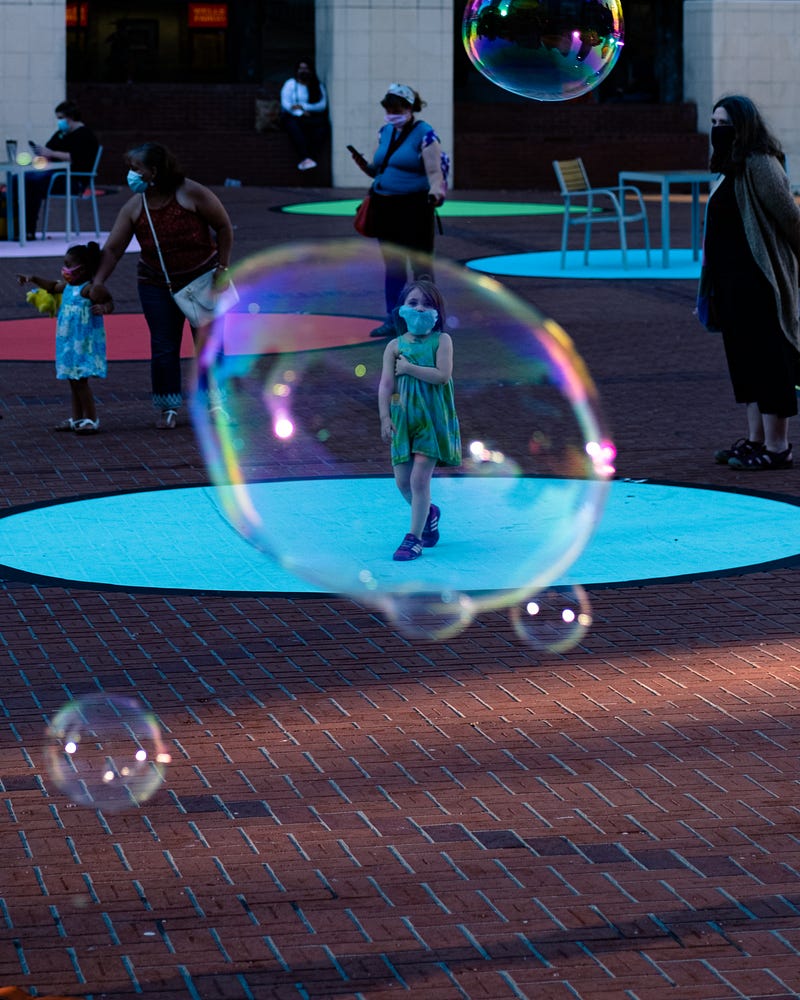
I’ve discovered that human beings each walk around in their own little bubble. I envisage the bubbles are transparent with a hue of all the colors of the rainbow. These bubbles are soft and pliable. They move with you, but they’re impenetrable, and they never break.
How you see life (your reality) is visible only to you on the inside of your bubble. It’s like a 360° 3D cinema experience with surround sound. No one sees life the same way that you do. What each of your experiences is 100% unique.
This is important for us to consider in any relationship. It’s often helpful to become curious about someone else’s reality rather than judgmental. What does life look like on their cinema screen?
External objects and events are subject to your interpretation.
Outside of your bubble, things are happening in the world. These things are real, and they’re occurring. Still, how you interpret an object or event is unique to you.
Take a piece of art, for example. One person looks at it and admires its beauty, while someone else looks at the same piece of art and finds it hideous. Two witnesses might have differing accounts when observing an accident or crime. Or two people in identical financial circumstances might lose their jobs. One person loses all hope, while another sees it as an opportunity.
Even though the trigger is the same, each person interprets it in their own way.
Your bubble is impenetrable.
This is another exciting feature of your bubble. Nothing can break through and get inside. There are “triggers” (people and events) in the outside world. But your reaction to those triggers is yours alone. So you can’t be a victim of the circumstances or anything in the outside world.
Nothing can reach inside your bubble and touch you. You can’t blame your boss, your spouse, or your enemy. The weather or your financial situation is also not responsible. YOU are creating your experience and no one or nothing else.
How does the 360° cinematographic experience get created?
You create your experience of life via your thoughts. Whatever you think appears immediately on your video screen of life. You then have an accompanying emotion or feeling. Feelings don’t come from other people or circumstances; they come from your thinking about them. When you think, you feel. The two go together like a hammer and nail, wine and cheese, knife and fork, or gin and tonic. Thought = Feeling!
You may not always be able to stop a thought or emotion from arising, but you don’t have to go there. You have the free will to dismiss it and think of something completely different.
I liken it to Grand Central Station with many trains passing through. You can stand on the platform, acknowledge the train (the thought) and let it pass. Or you can jump on that train (of thought) and ride it to its destination. You choose what thinking to latch on to and what to simply acknowledge and let go of.
Dealing with Stress and Anxiety
As a therapist, my clients often ask me to help them with stress or anxiety. How can you use these insights about creating your reality to help you with stress?
According to the ADAA (Anxiety & Depression Association of America):
“Anxiety disorders are the most common mental illness in the U.S., affecting 40 million adults in the United States age 18 and older, or 18.1% of the population every year.”
From the APA article Stress in America: A National Mental Health Crisis (Oct 2020):
“Everyone experiences stress and anxiety. The difference between them is that stress is a response to a threat in a situation. Anxiety is a reaction to the stress.”
When you experience stress, your body exhibits a fight-or-flight response. The limbic system in the brain stimulates the adrenal glands to produce adrenaline and other hormones. This causes physiological changes in your body, including increased heart and respiration rates.
The fight-or-flight response is there to protect you from real danger. It primes the body to respond quickly to the perils you face. If a woolly mammoth or a saber-tooth tiger is chasing you, you must be able to react rapidly. After the response, the parasympathetic nervous system returns the body back to normal.
But the mammoth or tiger is not the sort of “danger” we face today. In this modern age, the dangers we experience might include:
- a looming deadline
- a bad relationship
- a long To-Do list
- a pending exam, or
- a dwindling bank account balance.
None of these things are endangering your life. But these situations also trigger the fight-or-flight response and the resultant hormone cocktail.
The problem is that the body doesn’t quickly return to normal once it’s triggered. The mammoth or tiger would have either attacked or wandered off by now. But the low bank account balance or bad relationship lives on and continues to stress you out. Your body continues to experience the fight-or-flight response. For some of you, it never goes away. You’re continuously living in a state of heightened danger. Imagine what that constant rush of adrenaline is doing to your body.
Takeaways and conclusion
Now, remember how you experience reality in your bubble. You’ll recall that the To-Do list or the dwindling bank balance can NOT make you feel any stress. It’s your thinking that’s causing the stress and the resulting physical reaction. The good news is that you can change your thoughts or not take them seriously.
The realization that stress isn’t coming from anything in your life is big for most people. If you change your thinking, you can reduce or put an end to stress and anxiety altogether.
- Everyone is having a unique experience of life. Others are not seeing reality in the same way that you are. Be curious about the movie the other person is seeing on their 360° personal cinema screen.
- Nothing external can cause you mental anguish. You’re not a victim. You alone have the power to create your reality.
- Your experience of life comes from your thinking and nothing else. As Lao-Tzu said, “Change Your Thoughts, Change Your Life.”
- Every feeling you have has the potential to disappear as soon as you have a different thought.
There’s nothing you need to do. You’ve taken a leaf out of the instruction manual for the game of life. You now understand how your reality is being created. Once you see something in a new way, you can never go back and see it the way you did before.


