
Are You a Traveler or A Tourist?
Trust me. There is a big difference
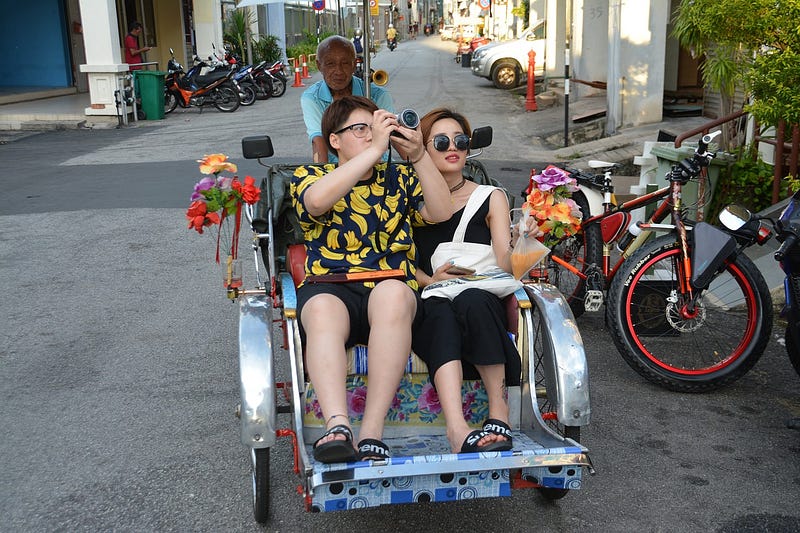
“Dear guests, we have an exceptional meal today. We’ll have our dinner in one of the finest places in the city. It’s a Michelin-star restaurant located in an old palace.” I announced to 200 guests. I was an event manager, and that was a high-class one.
“Fuck that, I’m going to Mac Donald’s,” a group of 20 Americans replied.
And they did. Their tables were empty that night, and they substituted a free 100€ menu in a palace to go and buy their BigMac meals in plastic trays. We couldn’t believe it.
Spain’s gastronomy is amongst the best in the world, always ranking high in world competitions. Dabiz Muñoz, the owner of Diverxo, a three-Michelin-star restaurant in Madrid, won the “best chef in the world” award last year.
But they wanted their happy meals.
It happened in every single international event.
I get it. You are traveling for work for a few days, and you are tired. You just want something easy to eat, something you understand.
But do me a favor, please. Don’t tell anyone that you’ve been to Spain when you come back home. Because you haven’t.
You came to Seville, one of the most beautiful cities in Spain, to sit in a conference room, eat at American franchises, and go shopping the day we visited the city with a guide.
That is not traveling. It’s changing your background for a few days.
There’s a difference between traveling and “touristing.”
I’m not judging you here. We have all done it. I bought touristic packages when I wanted an easy trip, and I spent some days with friends in a Caribbean resort with a shiny all-inclusive bracelet on my wrist, drinking piña coladas(please, pronounce it “peen-ya,” my Spanish ears only hear you asking for penises)for breakfast.
But then I discovered real traveling, and it changed my world.
Real traveling happens when we go to a country and avoid the touristic places. When we eat where the locals do, what the locals have, and how they do it. We probably have to learn some words of their language because they don’t have their menus in English.
It happens when we go to the local market and see what they sell there, what people buy, and we ask them about that weird fruit we never saw in our life, and we dare to try it.
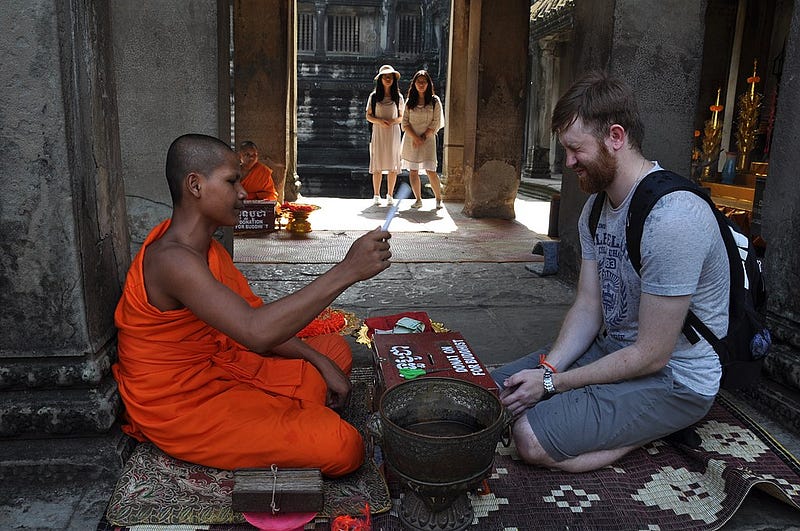
It happens when we get so good at hand gesture language that we engage in entire conversations with a group of people and have some real, healthy fun. We go to the little stores in the street instead of the massive supermarkets. When we smile at people in the street and say “good morning, have a good day” with our clumsy knowledge of their language.
Real traveling means telling the locals, “I see you. You are visible to me, and I want to learn from you.” Locals love and respect travelers because they care.
What a tourist does
A tourist arrives in another country like a bulldozer. They demand to be spoken to in their language (English, German, French, you name it). They get angry if the menus in the bars aren’t in their mother tongue.
They are not necessarily foreigners. Many people from big cities behave like that when they go to small towns. The most polite ones won’t say anything rude but will show a condescending attitude towards the locals.
They demand that the laws are exactly the same as those in their country/city. They point at everything wrong with that country (aka everything new for them). They get angry all the time because things are too different and weird than how they should be.
Not only do they not show any respect for the culture they are visiting, but they laugh at it, saying out loud how ridiculous it is. They don’t care if locals are listening, “they should learn” anyway.
They look on TripAdvisor or Google for the best places to eat. Do you know those places with 99% of 5-stars reviews and only a few 1-star ones? They usually are this kind of tourist. They write reviews like these (these are real):
- Hotel by the sea: 1* The sea was too noisy
- Touristic package: 1* On my holiday to Goa in India, I was disgusted to find that almost every restaurant served curry. I don’t like spicy food at all.
- A tourist coming to Spain: 1* There are too many Spanish people. The receptionist speaks Spanish. The food is Spanish. Too many foreigners now live abroad.
- My own restaurant: The beetroot salad had too much beetroot.
Tourists aren’t interested in learning about other cultures. They want to enjoy the country’s beautiful beaches, eat the same food they have at home while complaining that it tastes so different (hello? they are cooking something they don’t know only for you, of course it’s different!).
They are the reason why Indian or Chinese restaurants in your town offer nuggets, fried eggs, and chips.
I’m sure you have a mental picture of a tourist. You probably spotted a few in your city already. They are easy to find. They dress like tourists and only go to the tourist restaurants you avoid because they are expensive and don’t sell local food.
You also feel out of place when you stop at those places. The menu is not in the national language, they don’t serve at the time you usually eat, and if you end up eating there, you’ll be alone in a cacophony of foreign languages.
Don’t be a tourist, be a traveler.
When we are travelers, we get both the beauty and history of the country AND a whole new culture that makes us feel more connected to the world.
We gain perspective on where our culture or beliefs stand. We open our minds to new realities that can shake our world. We effortlessly incorporate new traditions, foods, and rituals into our daily routine.
We think we are buying an experience, but we’re getting our future wiser-self instead.
Traveling is the only thing we buy that makes us richer.
If you enjoy my writing and wish to contribute to my work. Please, consider joining Medium using my referral link, or inviting me to a coffee that I will happily drink while toasting to your health. Thank you 🤗


