
Are You A Polymath, Philomath, or a Genius?
(Plus 5 characteristics to improve and become a polymath)
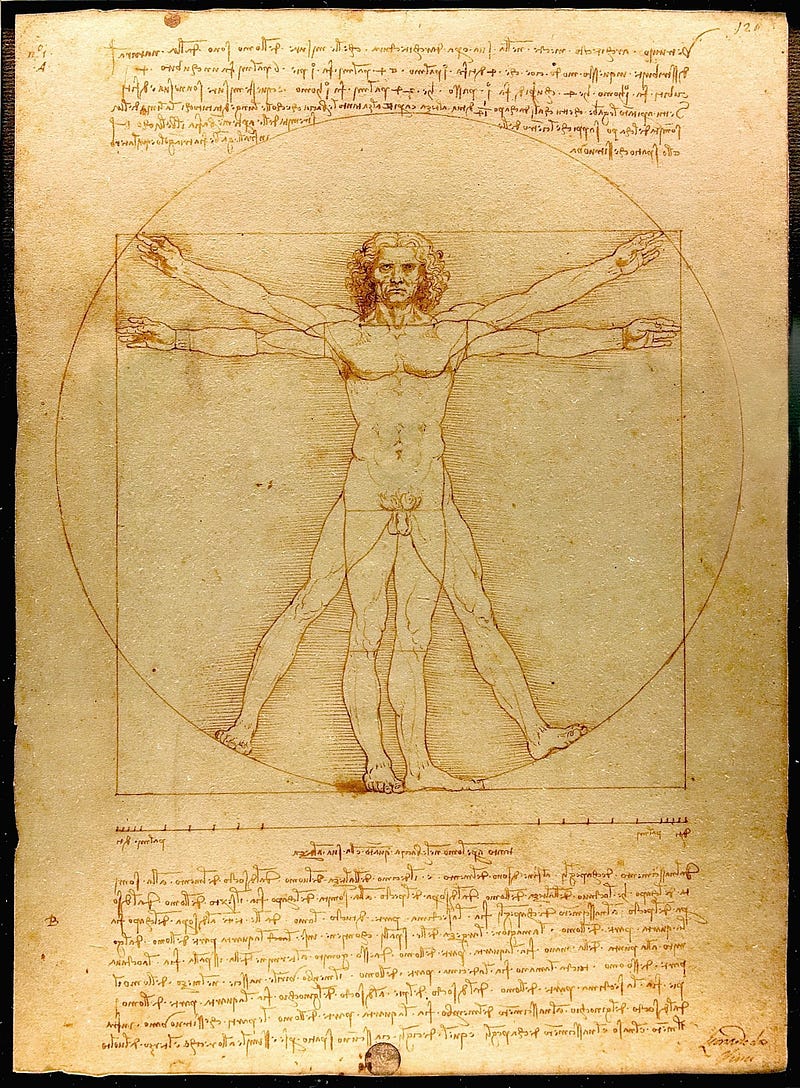
I can’t remember the first time I heard the word “polymath.” However, I do remember the first time I paid attention to it. I was reading an article on the difference between a polymath, a philomath, and a genius. Unfortunately, I can’t find that specific article online anymore, but I remember finding it really interesting.
Definitions of Each
If you’re like I was and don’t know what a polymath and philomath are, let me give you a couple quick definitions:
A polymath is a person who has broad and comprehensive knowledge about many different subjects.
Often, these are the people who you might refer to as the “jacks (or janes) of all trades.”
A philomath, by definition, is someone who loves learning and studying.
Meanwhile, if we go by the psychological definition of genius, a genius would be someone who scores above the 98% percentile on a recognized IQ test.
Questions That Came to Mind
After reading that article, several questions came to mind:
- Would a polymath automatically a philomath? Or vice-versa?
- Would a genius automatically be a philomath or a polymath?
- Would a polymath or a philomath also be a genius?
- Who do I know that would fall into one or more of these categories?
I like the first two questions, but I felt that to really understand these related, but different concepts, I needed to start with the third question.
Who’s Who?
First, I thought about who I know that is good at many different things, basically “who is a polymath?” I didn’t have to look far.
My grandfather definitely was a polymath. By profession, he was a schoolteacher from 1939 until his retirement in 1972. During that time, my grandfather taught every subject from 4th grade to 12th grade, English, Science, Woodshop/Drafting (what he taught and loved most), as well as being the Basketball and Football coach.
But was he a philomath? I don’t think so.
My grandfather was a great conversationalist, and he learned a lot from reading, but he didn’t seek out learning for learning’s sake like a philomath would.
Now, my wife is a philomath, as am I. We love learning and studying.
I just added up the number of years that we have spent taking college courses (both undergrad and graduate), and so far, each of us is at over 20 years and counting.
Finally, there is genius.
My uncle (my grandfather’s son) was a member of American Mensa (the high IQ society), as am I.
I know a lot of Mensa members. A good many of them have immense curiosity, but I haven’t seen a trend towards either polymath or philomath.
Some members have varied interests, some really like learning, and some are just really, really good at their specific field. So, I don’t see a connection between genius and either polymath or philomath.
What Can We Become?
Most studies show that a major part of genius is genetics. Not all, but quite a bit. Also, being a genius does not guarantee success to anyone. So, it’s not realistic nor advantageous to strive to become a genius.
One of the smartest people I have ever met graduated high school two years before me. John went to college, graduated, and then just decided to walk up and down the street all day, every day. He was homeless until recently when he met and married a former student of mine. I see John periodically, but his genius didn’t guarantee success.
Also, most of us probably won’t suddenly acquire a love for learning and studying, so trying to become a philomath if you aren’t one yet is probably out too.
Nevertheless, I believe anyone can become a polymath.
By looking at people I know, I’ve identified certain characteristics I think most polymaths have in common. These are characteristics that we can absolutely gain and improve upon if we want to become a polymath.
5 Characteristics Polymaths I Know Possess
Most polymaths I know possess these 5 characteristics:
- Open-minded and Self-Reliant
This doesn’t mean that they believe everything they hear, but they do want to listen to other perspectives. Polymaths don’t discount other people’s opinions immediately just because they don’t agree. They also rely on their own judgement much more than the judgement of others.
- Immensely Curious
The polymaths I know find something interesting in just about everything. They like trivia, encyclopedias, documentaries, novels, just about anything that brings new ideas they can think about.
- Get Rarely Bored
This is related to curiosity. Because polymaths are very curious, they tend to stay interested and engaged, so they don’t get bored very easily.
- Can Teach Themselves (often have great memory/recall)
Many polymaths I know are what we would call autodidacts. They can take a manual, read it, and then try it themselves. They may not get it right immediately, but through their trial and error, they will learn a new skill. Often, they will have a great memory for facts as well — but this isn’t always the case.
- Love to Read
Because reading is so essential to learning new and different disciplines, most polymaths I know read constantly. They may not be reading novels or biographies, but they are reading. They read articles, blog posts, instruction manuals, you name it. Polymaths read, and they read a lot.
Last Thoughts
We know that nothing can guarantee success, however we define it. However, becoming a polymath can help us become more well-rounded and adaptable to different events.
By understanding the differences between genius, philomath, and polymath, we can see people around us in a new light.
These aren’t strict categories; people can fall into more than one — they often do.
But what we can do is work on the characteristics that help us become polymaths. Wouldn’t it be cool to be known as someone who is good at many things?
I think we should all aim for that. What do have to lose?
The journey itself will teach us things we don’t already know and, to me, that’s already a success.
If you liked this article, take a look at some of the other articles I have written. I would love to get your feedback, as I love interacting with fellow readers and writers. If you’re interested in personal finance, I also started a publication, “Everyday Finance.”
Also, please check out Alyssa Weakley, Keith Sonnanburg, and Tom Handy.
They are great people, in a great community, and their articles are about a wide variety of subjects. I have enjoyed their writing and interacting with them, and I think you will too.
If you’re not a member and would like to be, please consider using my referral link by CLICKING HERE. Full disclosure: I would receive $2.27/month for your subscribing. That would help me keep writing things that I hope you will enjoy.


