
Are You a Gray Area Drinker?
How to tell and what to do about it
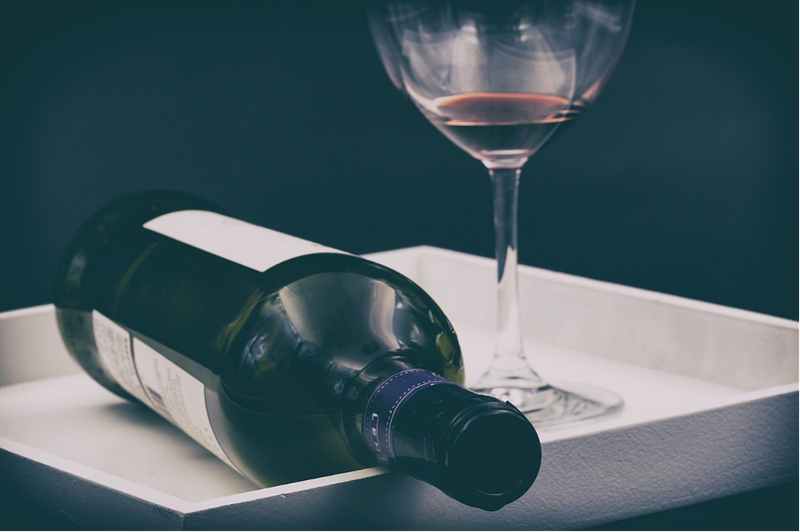
Well before the global pandemic gave me an excuse to drink heavily, I started to notice that my alcohol consumption and tolerance were becoming noticeably higher.
Over the past few years, I went from falling asleep after two or three glasses of wine to wanting a fifth glass once the bottle was gone. I also started having drinking sessions more frequently, from once every week or two to several nights a week.
I often drank alone, and in larger quantities than I should. Just to relax and de-stress. Just to feel nice. Just to get a bit of that party vibe I missed so much (since COVID-19 has been making it hard to be social for almost a year now).
Eventually, I was able to polish off two bottles of wine in one night with little to no issue (except for my headache the next day).
There are two very clear problems with this kind of drinking.
For one, it puts you well into the category of high-risk drinking, which is a problem all on its own. Drinking booze, even in small quantities, comes with zero health benefits. But risk factors for a heavy drinker include serious long-term issues like hypertension, cardiovascular diseases, stroke, several types of cancer, and type 2 diabetes, to name a few.
The second issue? Even though I was aware of all the detriments to my health, even though I was aware it would make me feel not-so-great the next day, even though I knew it would mostly cause problems — I still wanted to drink.
Although I wasn’t physically dependent, I was mentally addicted to the buzz. And, most of the time, I couldn’t stop at just a glass or two. One glass always made me want more. One glass often took me into a binge.
This kind of frequent, heavy drinking in combination with the can’t-stop-at-just-one mentality is what’s known as gray area drinking. Gray area drinkers like me are at the last stop before full-blown alcoholism. We’re teetering on the edge but have yet to be all-consumed.
We lie somewhere between occasional drinking and an alcohol detox program. We can handle our alcohol and drink pretty responsibly. We haven’t had a DUI or been kicked out of a bar for fighting. But — we’re constantly flirting with alcohol dependency.
America is Drinking More Than Ever
It may surprise no one that drinking is on the rise, especially for women, minorities, and older adults. In the United States, more and more people are turning to alcohol and drinking in quantities that are harmful and dangerous, according to a study published in JAMA Psychiatry.
We’re tenser than ever, and many of us turn to the quickest and easiest way to cope with stress. That’s why we might fall into bad habits that offer instant gratification. For me, that happens to be binge drinking.
Gray area drinking includes heavy drinking throughout the week or, for those who drink less frequently, binge drinking. For women, a binge typically looks like 4 or more drinks in a single session. For men, it’s 5 or more.
Though gray area drinkers are not technically alcoholics or alcohol dependent, they have a difficult time giving up drinking for good. They may go days, weeks, or even months without it, but they find themselves always coming back to spurts of heavy drinking.
Another sign is more or less how you feel about your drinking. If you’re a gray area drinker, you feel unhappy overall about the amount of alcohol you consume. You don’t feel right about it for yourself, even if no one around you suspects you have a drinking problem. It just doesn’t feel good to you, because your energy is zapped, you’re getting poor sleep, or you have too many hangovers.
For those who drink heavily but see no issue with it, or those who can stop themselves after kicking back a couple, gray area drinking doesn’t fit the bill.
What Can You Do About Gray Area Drinking?
For those who want to give up the drink for good or just go down to light, social drinking here and there, there are a few things you can do.
1. Find support.
There are support communities online for people who fall between the two extremes of occasional drinking and alcoholism.
For example, grayareadrinkers.com is a website and community created by Jolene Park, a health coach who specializes in gray area drinking. She’s a proponent of nourishing our nervous systems in a comprehensive and consistent way through the NOURISH system (Noticing nature, Observing your breath, Uniting with others, Replenishing with food, Initiating movement, Sitting in stillness, and Harnessing creativity).
A therapist who specializes in addiction counseling is another route to go. You could also consider gathering a group of like-minded people in a private group online or through text, where you offer each other support and provide accountability.
2. Add new activities to your life.
One of the most helpful things for me is being too busy to drink. Take that in moderation though, as you don’t want to make yourself so busy that you get overwhelmed with stress and want to drink more.
Take up two or three new things, whether it’s something as relaxing as reading more fiction or something as involved in signing up for an adult dance class. Learn how to cook more, find places to hike, or take up virtual piano lessons.
The key is to find something you’re truly interested in and love doing.
3. Feel your feelings.
Alcohol, for many of us, is a pleasant escape — until we overindulge and feel the negative after-effects. Instead of escaping in alcohol, be mindful of sitting in your feelings. What are you feeling, right in that moment, that is making you want to drink?
Instead of avoiding your thoughts and escaping down a bottle of red, think about the issue or the feeling. Let yourself steep in it for five minutes and take some deep breaths. Taking some time to meditate or be mindful of your feelings can help lessen the craving.
If you’re about to go for that drink, but you give yourself time to mentally work through it, you may find you can stop yourself from reaching for the bottle after all. Then, next time, you’ll know you can beat the craving because you’ve done it before. Like a muscle that gets stronger, it will get easier for you.
4. Address your cravings with healthy alternatives.
Do you drink to relax? Try herbal tea, honey, and a soothing bubble bath when you get that urge to drink.
If you’re angry and wanting a drink, find an expressive and healthy outlet for it. Talk to someone about your feelings, or maybe take up kickboxing.
Desiring intimacy or socialization? Call a friend. Video chat a friend. Sit down to a romantic meal with your partner, talk about your day, and have some one-on-one time sans booze.
No, none of these things are the same as drinking that adult beverage you crave. Not by a long shot. But finding healthier alternatives to combat what makes you want to drink in the first place is a useful tool to beat cravings.
We Get By With A Little Help
If you feel you’re drinking too much and it’s making you unhappy, stop and think about what you want to do about it. For some, giving up the drink completely is the best option. For others, we learn we can enjoy a drink occasionally without falling back into old habits. It all depends on the individual. You have to know yourself and choose the best path for you.
But no matter what path you want to take, understand that it’s okay to need help. And it’s okay to ask for help, even if you haven’t hit rock bottom yet. In fact, that’s the best way to do it. That way, you solve the issue before it leads to something far more serious that you forever regret. To those who are struggling, know that you are not alone.
Sign up for my newsletter, and you’ll get updates on my latest creations. You can also connect with me on the Sex Curious Podcast and Twitter.