
Are We Addicted to Our Thoughts?
How to stop time-traveling and live in the present
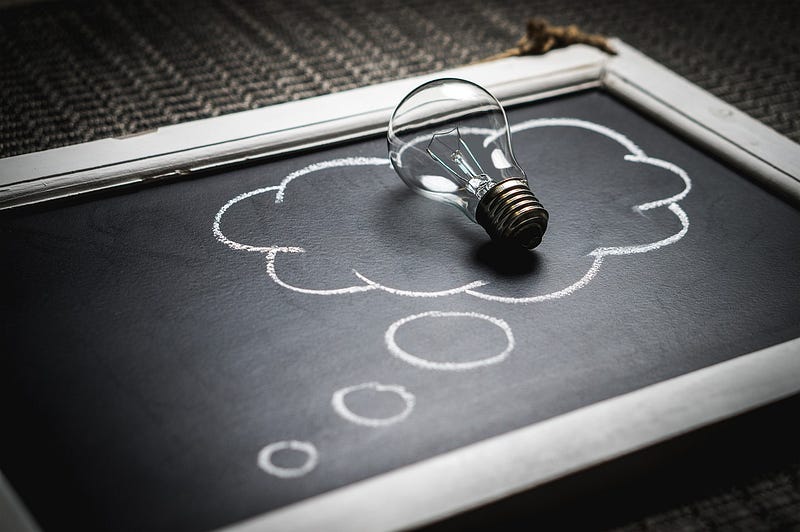
I live in my head a lot. As a creative and an introvert, much of my waking time is spent contemplating — too much time. I move forward and back, wondering about the future and revisiting the past. I’m a planner. I like to foreshadow how things will work out. I make lists and take a lot of notes. I try to engineer my future.
But what happens when we get completely lost in thought?
When we spend the majority of our day addicted to thought, the present feels like a burden — real life seems to get in the way
There’s nothing wrong with introspection. As creatives, we must take the time to plan our work and thing about our future. We must learn from the past and work to improve our future.
However, when we spend so much time in our heads, replaying endless loops of thought, time-traveling back and forth to the past and future — this is thought addiction.
How to combat thought addiction
You can’t eliminate thoughts or daydreams. Your subconscious mind is always working. What you can do is practice being present, so you can enjoy the present when the moment comes.
The ability to live in the present is mindfulness
Mindfulness requires daily practice. If you’re a natural introvert and you spend a lot of time in your head, as I do, you’ll have to work harder at mindfulness than someone who’s more present.
Mindfulness requires a couple exercises: meditation and reduction of subvocalization (the voice in your head).
I developed a simple meditation for creatives, called the Road:
Here is a series of simple techniques you can use to be more present when someone’s speaking to you. I’m working on this myself:
There’s no Thought Addict’s Anonymous
Creatives are especially vulnerable to over-thought, because our work is so cerebral. The danger is that we don’t come back.
We can’t live in any other moment. The past is done and the future is always in front of us. All we have is the present.
When we live too long in our heads we’re not really living. We need relationships with others to live a full life.
When we daydream our way into a mental, virtual reality, the addiction to non-reality can become all too real. This will eventually lead to the detriment of our relationships as finally, or well-being and happiness.
We need to find a balance between thought and the present.
If we prefer a lot of thought to a life of reality there’s something wrong in our reality. Maybe we’re hiding from something, or we don’t want to address a piece of our life that needs serious attention.
We need the balance, because our thoughts create our best work, but our present is the only place we can enjoy and produce our work.
We may be lost in thought more often than we think
We don’t recognize thought addiction until we start to track it. Or, at least recognize it when it’s happening.
Today, each time you find yourself lost in thought, recognize the circumstances. Are you doing something mindless, where daydreaming is fine, like driving? Are you spending time with family, or having a conversation, but your mind is elsewhere?
Recognition of thought addiction is the first step
When we recognize we can work to improve something. A daily mindfulness practice will help with time. If you want an immediate fix, check my story about listening, above. When we eliminate subvocalization whole listening, it improves our ability to be present, tenfold.
Admitting we have a problem is a good first step. What about you? Are you a thought addict?