
Are we Living in the Shaped Reality of Beliefs?
Are we always wearing a judgmental lens and seeing our own crafted image of people?
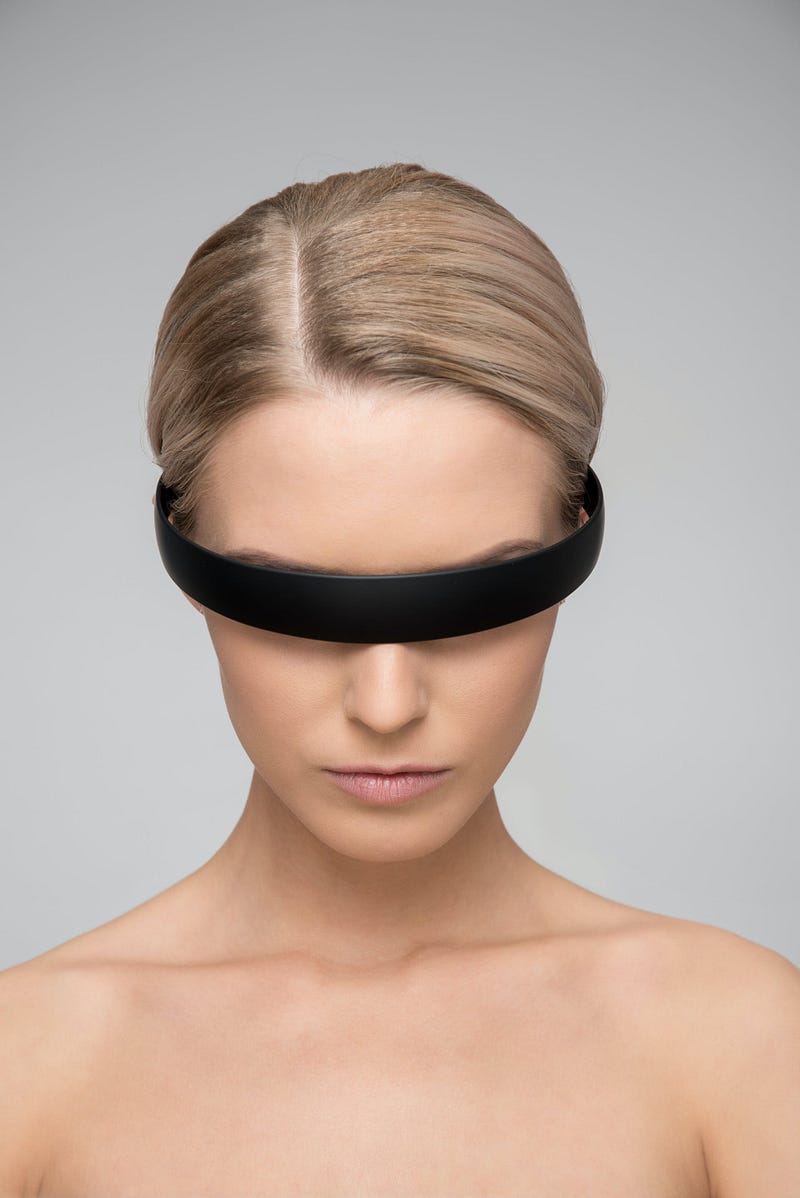
Have you ever been in a bad situation that you see coming for months?
Oh, are you going to leave me? I knew it already. This job interview could have gone better. I knew already it would happen. We are facing terrible conflict among friends, but I knew it already. I knew this bad thing would happen because I knew more about it.
I am sure we all had this feeling at some point. But, have you ever thought that do we have some psychological powers or intuition or is it something else?
Let me explain this situation with an example.
Suppose you had knowledge or social learning that every man out there is not loyal or every woman is diplomatic. You have built these concepts from your social experiences, whether from your parents, friends, or coworkers and believe in this perception. Now, every girl or boy you meet is proving you right. After every encounter, you feel you were right about men being dishonest and women being diplomatic or any other perception you hold.
But have you ever supposed that it is true with all men and women? It cannot be right?
Our subconscious mind says from a distance that this perception cannot be accurate, but we have many facts and experiences around us that we believe.
In this article, I will explain this feeling and scenario in more scientifically and logical way.
Our beliefs and perceptions come from social experiences, faiths, cultural values, and social interactions.
In our early ages of development, we hold on to some particular beliefs, like men are not honest, women play double games, white people are more intelligent, religious people are more narrow-minded, and many other typical stereotypes like this.
We form these beliefs and find information and experiences that supports our beliefs.
It is a fun fact that the human mind remembers information and facts well that resonates with their previous beliefs.
From the sea of online information and social media, we started to unintentionally pick the facts and events supporting our views. Instead of learning new paradigms or the other side of the picture, we gather information to support our views.
This is called “Confirmation Bias”.
Confirmation bias is the term coined by known psychologist Peter Wason, who defines it as People tend to favor information that confirms or strengthens their beliefs or values and is difficult to dislodge once affirmed.
Unintentionally, we strengthen our views and concepts to the extent that we start to feel that every other argument is fake or invalid.
It is a situation where we feel nobody understands my point. It happens because we often pick the top cherry from a pile of information. I thought of it as “cherry-picking, “ meaning we only remember information or events that validate us.
If I assume confirmation bias as one of our family members, then I would name it as a mother. It would be like our overly judged mothers who always say See? I knew it,” but we all know thousands of times when she was wrong.
We always stand between the objective or facts and our pre-formed beliefs.
This set of biased information and thinking often creates judgmental behavior, and we lead ourselves toward a specific condition.
For example, if you have set your mind that all men cannot be trusted or wrong, you might end up stuck with men who are evil or dishonest. It happens because, with our biased lens, we only see people with particular flaws and often miss the positivity and opportunities that come before us.
We started seeing the world in this biased and judgmental way that affects our behavior and social interaction.
It shows that our reality has been shaped by certain beliefs and values we developed at an early age. We are only strengthening those beliefs and living in a shaped reality with more information and experiences.
We should look beyond the limits of confirmation bias. Assuming certain excellent or bad limitations for people or society would only cloud our judgments and decisions; it could not change the truth.
If you like the discussions then leave your valuable comments. I would love to hear your views and follow me to read similar interesting posts.


