
Are We Getting Unhappier as Time Goes By?
Addressing the stigma of a monotonous future
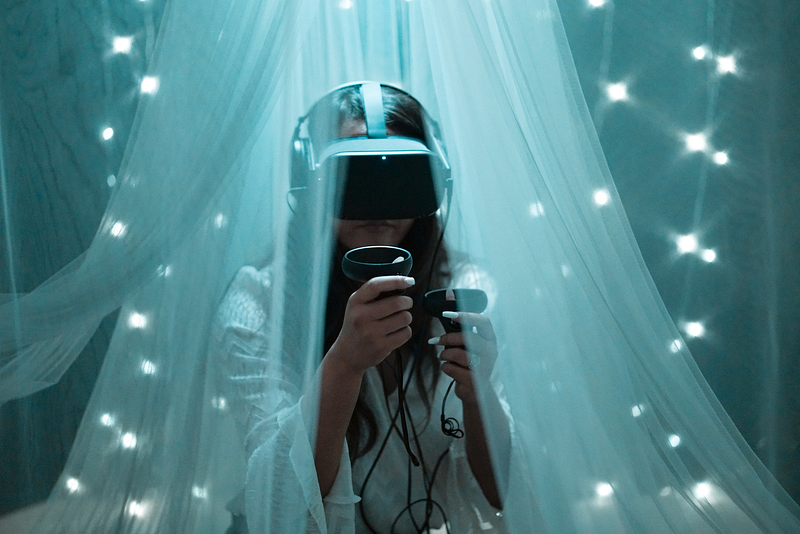
The future is now; said someone once. It’s a phrase we hear as often as we brush our teeth. What happens in the next minute depends on what we do in the present. We’re essentially in charge of how we take our every step, which shows that we pave the path before us even when we’re not aware of it.
The future is now.
Society has never known isolation as it does today. While the internet has connected us to the rest of the globe, it has also caused us to remain separated from those around us. But it goes beyond digitization. I’m referring more to the mentality of survival that people adopt as the world grows larger and more competitive every day. It is the emergence of 24/7 information that leaves us feeling out of place, and out of time.
What supersedes all other factors though is the fear that our alienation from the world only grows the more time goes on. If we look at the difference in the level of happiness between our current generation and previous ones, there is a staggering reduction. We are one of the unhappiest civilizations in the history of humanity.
So it has me wondering: Why is this? Why are we, on average, becoming sadder as time goes by?
The Movement to the Digital
Nowadays, a person could entertain themselves, shop, keep up with the latest news, and socialize with anyone from their couch. We could practically live our entire lives inside our house, and it would make no difference.
Along with our everyday life increasingly turning from physical to virtual, we have surrendered most of our everyday commodities to the scope of the internet. Social interaction has acquired a new norm — that of taking place on the screens of our devices, rather than the tables of our nearest coffee shop.
Even before the start of the pandemic, the replacement of an organic lifestyle with an online one meant people were meeting up less than they ever did. Naturally, friendships have begun to plummet, and romantic prospects for single people ready to physically mingle are almost thrown out the window.
But being the biological creatures we are, we desire a certain level of physicality, both with others and the activities we perform. As cosmological beings, we crave attention from the rest of the cosmos.
The Epidemic of Loneliness
3 out of 5 adults in the U.S. reported feeling lonely last year, and the figures aren’t limited to the country. More and more people are beginning to find themselves on their own around the world, finding almost no one close enough to interact with.
With people spending more time working, studying, or performing a solo activity each day, there is less chance for them to find the time to socialize. Yes, online interactions can fill our emotional void for a while, but it cannot fill the physical one surrounding us.
We have reached such a level of social abandonment that governments around the world have opted to fix it. In the U.K., a minister of loneliness is an actual job, and in Japan, where in 2020, suicide because of loneliness led to more deaths than those caused by the current pandemic.
Loneliness is the most prevalent, yet silent epidemic invading us in the 21st century.

The Dystopian Narrative
It is no surprise to see a common trope of most sci-fi narratives in films and books, whether it be a robotic revolution, environmental destruction because of over-consumption of resources, or humans who have merged with technology to the point of no return.
How current issues are used and exemplified through the characters and plots of futuristic stories opens up a table for discussion, asking: Are we preparing ourselves for a future of advanced versions of our problems today?
A dystopian sci-fi world almost always incorporates some type of system — a society that is expected to adapt to a new reality. Most times, people are expected to take comfort in technology. But it is efficient in taking over a majority of our roles, with most jobs estimated to be automated by 2030, a matter I discussed in this article.
While we argue the extent to which automation is benefiting us, one consequence remains. It’s only a matter of time before we have less activity to partake in, implying less social interaction which could invite a feeling of further alienation.
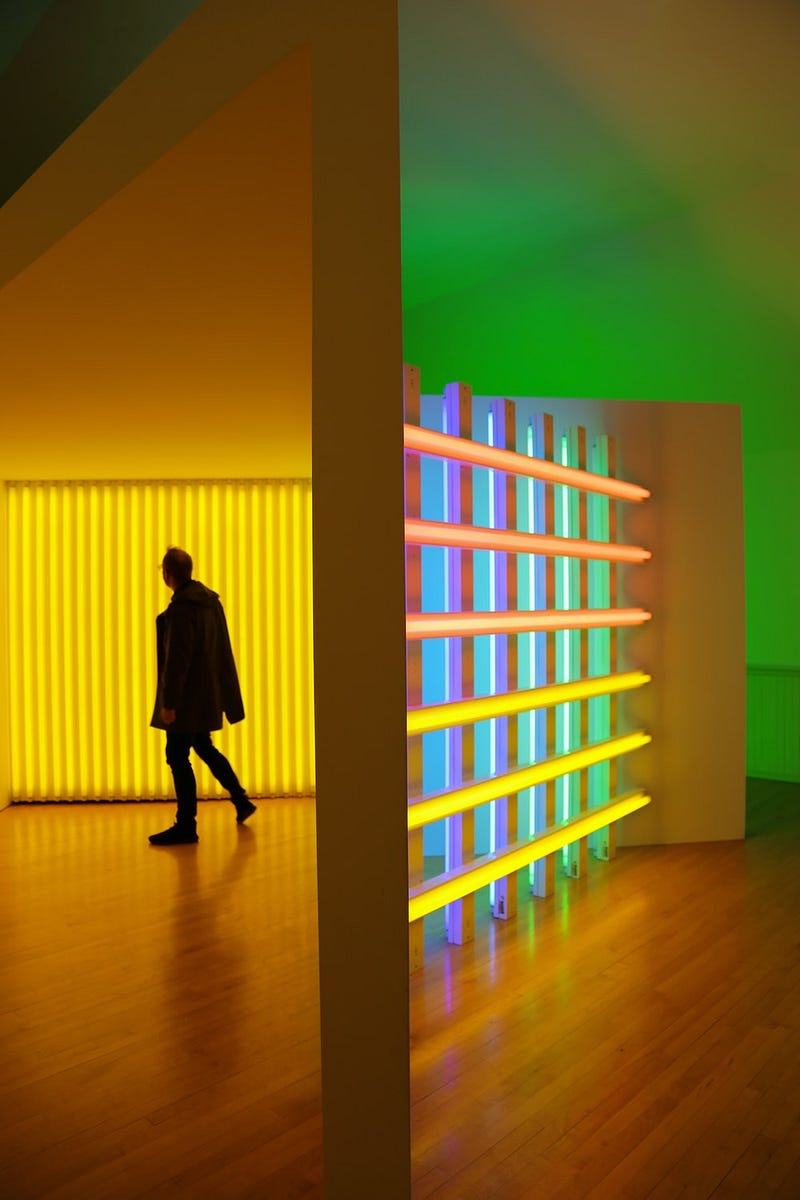
Loss of Individualism
In a world that allows us to have access to multiple sources of information, it is easy to feel overwhelmed by ingesting countless streams of data daily. As time goes on, we become more and more accustomed to multitasking, to where we can now watch TV, text a message, talk to someone on the phone, and communicate with someone near us.
At some point, our brains get fried with detail. We get enough of experiencing everything simultaneously.
With more people available to express their opinions comes the need by various organizations to censor selected statements that may not align with a particular belief. Even then, the variety of personal perceptions being shared on the internet means we are entering a world of uncertainty, not knowing who or what to believe in anymore.
Given that we live in the age of information, our data has to take part in the cycle of consumption. The more we have our data exposed to organizations aiming to profit off increased sales, the more we are going to get bombarded with advertisements trying to convince us of needing a product or service we never even imagined before.
There is nothing wrong with companies seeking to gain as much of an audience as possible; after all, all businesses need a guaranteed stream of consumers to succeed. But what may be a problem is the manipulation of our details to where money has more value than our personal happiness; being in control of what satisfies us, rather than being advised what does.
A Developing Trend
In almost every corner we look, the future appears to be portrayed as a grim reality that we have set the gear towards; a destination we feel we are destined to arrive at, aided by predictions and ideas we come across every day.
Society is evolving faster than ever before, but the issues that circle around human nature remain there for us to tackle. Issues such as prolonged loneliness, disillusionment, and a sense of fitting outside of the crowd. While the latest technology can be argued to battle these problems, it is equally condemned for expanding them.
There is a need for us to belong to a world where technology and cosmology are balanced, as well as a question that will keep lingering for as long as we exist.
What makes us happy?
Are we acting to preserve our happiness or subconsciously ruining it? If we’re the painters of our future, are we collectively attempting to paint it to our advantage? Or are we waiting for a dystopian reality to knock on our door because of inviting it over?
Thank you for reading.
Angelina Der Arakelian


