
Are We Fighting Over The Heart of America?
The heart of a high school / American Butterfly 26
American Butterfly is a story. Many stories, really. They tell the tale of a family’s great loss. It is also a study of the road America took to the culture wars of the 2020’s. This snippet touches on the foundations of faith, religion, and school in the South.
Heading into senior year of high school in 1985, our long-time headmaster retired. The school took this as an opportunity to assess what it knew about its place in the broader Memphis environment. Its new leader would usher Academy School of Memphis into the next century.
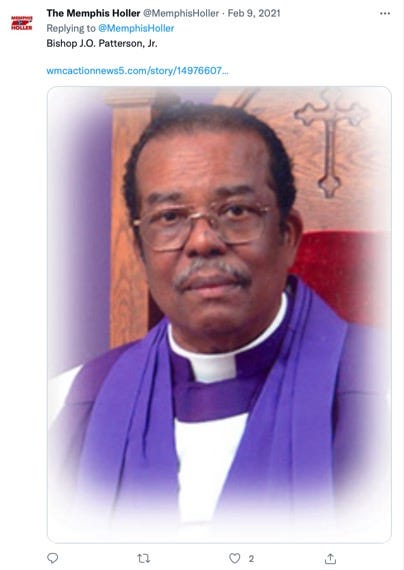
The School Board was made up of some of the most successful members of the Memphis community, and they knew that the country was changing fast in the 1980’s. Memphis was approaching an African-American majority for the first time, and a Black man, J. O. Patterson, Jr., a legislator and a minister, had served as interim mayor for twenty days in 1982. Those days were largely symbolic, but they were a sign of inevitable change.
The Board observed, too, that the competition among private schools was intensifying. White families continued leaving Memphis, and the evangelical Christian private schools were competing fiercely. Market positioning was important. The largest private school in the area, Briarcrest, was reframing itself as a non-denominational Christian institution to expand its applicant pool beyond the Baptist families disillusioned with the public schools.
By 1974, more than 30,000 students had left the Memphis public schools, and Memphis had the largest private-school system in the country. Busing [started in 1971] was a life-changing and city-transforming experience. — John Branston, The Tragedy of Busing Revisited, Memphis Magazine
The Board ended up selecting Thomas Spencer.
Mr. Spencer was proud to be just the third headmaster of the modern Academy School of Memphis. He seemed destined to lead the school through multiple decades, like his predecessors. His experience educating young men was excellent, and he brought a deep respect for America’s traditions. His deep Christian faith was something deeply sought after by a few Board members. It was secondary for most.
Many students were sad for the departure of our previous headmaster. Extremely tall and ramrod straight, he felt rather like our own Abraham Lincoln. He bore a powerful sense of right and wrong but was practical about people and their opinions. Reserved in public but warm in person, delivering the “15 snappy rahs” during pep rallies stretched and exhilarated him.
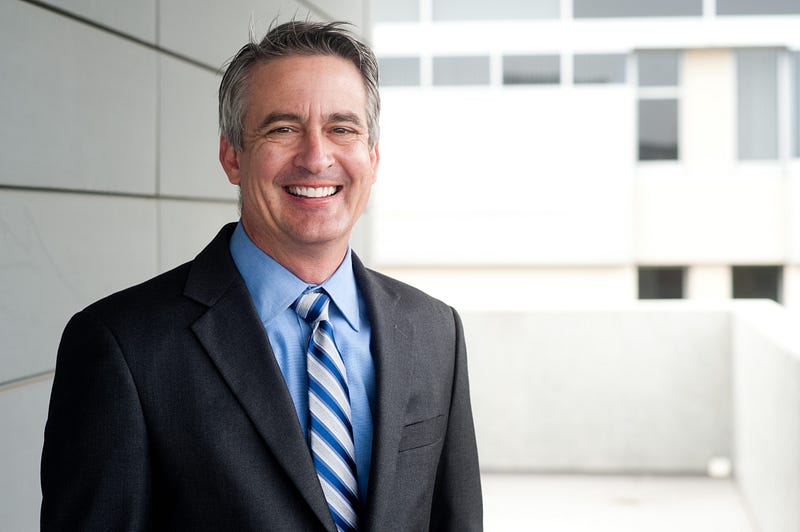
Headmaster Spencer was similar in appearance but different in action. He looked the part of the stereotypical Memphis community leader: good hair, tall, a big smile, a firm handshake, white teeth, and white skin.
The spotlight shined on him at every moment, and he brought good news to every day. He lit up every room he entered.
On the first Friday Assembly he introduced himself and declared that he was not here to change anything. Academy School of Memphis was a fabulous institution, and he delighted in the joy of having been appointed its latest shepherd for another decade of greatness.
Everything seemed little different after his brief introduction. Assembly began with announcements from club leaders and teachers, just like always. A senior gave a talk about the benefits of spending time studying abroad. It was really just a slide show of himself in Sydney and the Outback. Tucker had spent his junior year in an Australian high school. The most remarkable thing was the fact that he left with a “Memphis” accent and came back speaking Australian.
He had changed subtly but quickly. Tucker was pretty smug before he left. Now armed with his Australian accent and a Euro haircut, he had become mildly insufferable.
By the end, I was hardly paying attention and was eager for Assembly to be over. I needed to get out and finish the math homework.
Ben Schiffrin’s face alerted me that something seemed odd. Because our last names started with the same letters, Ben and I had sat next to one another since grade school.
As we were making our way out, Ben said to me, “That was different. I didn’t realize we were in Church.”
I had grown up in a Presbyterian Church my whole life. I had not noticed at all when Headmaster Spencer called himself our shepherd, spoke of his good news, or delivered a benediction at the end of Assembly. Assembly would soon be called Chapel, as we were told it once had been.
Ben’s family belonged to a Reform Jewish congregation. These things were not normal for him.
Ben was right. Things were becoming different.
Go to the beginning, a very good place to start:
Deeper connections are one of the recipes for a better tomorrow. Please follow J. Andrew Shelley.