
Are We Falling Into a Social Recession?
Human connection is important, now more than ever.
We talk a lot about the direct impact of the pandemic. Its effects in terms of health and the economic repercussions it has already caused.
But what’s not talked about as much, are the consequences it may have on our social well being.
We know we are social creatures. Not spending time with our friends isn’t fun. We can all see that. But what is this physical distancing actually doing to us? How is it affecting our mental and physical health?
This pandemic hasn’t turned our social lives upside down. Rather, it has shed light on some of the underlying problems we have as a society and the necessity of the human connections we are now being deprived of.
I recently came across podcasts by physician and author Dr. Rangan Chaterjee, and the former surgeon general of the United States, Dr. Vivek Murthy. In them, they discuss societal issues of loneliness and isolation, the importance of building deep, human connections, and the impact and health benefits of togetherness.
Here are some interesting insights that may change the way you approach your relationships.
Connecting through technology
The internet has changed the game for us. We can get in contact with people instantly, share our thoughts with friends and the public, and build relationships with like-minded people from across the world.
Despite being more digitally connected than ever, we may have never been more isolated in terms of social, deep connections.
A tonne of friends and followers on social media often gives the illusion of strong friendships and community. We see what our friends are up to through their posts, and that makes us feel up to date and a part of their lives. And in some ways we are.
But having face-to-face conversations and experiences are what allow us to truly connect with each other on a deeper level, something intrinsically necessary for our mental health.
For instance, with busy schedules and an array of distractions at every turn, it’s common for individuals in a family to eat their meals at different times and places, or be occupied with some form of technology while they do so.
However, research shows that having meals with your family increases intimacy, makes you feel more appreciated, and ultimately leads to better mental health. Being in the same room, preoccupied with devices or watching a movie together, does little more than provide surface-level interaction. But taking the time to listen and spend quality time with each other, helps you feel connected and builds a sense of community, something closely tied to your physical health.
The Physical Repercussions of Loneliness
It is said that feeling lonely can be as harmful as smoking 15 cigarettes a day. As much as your relationships are based on mental and emotional factors, feeling connected to others also affects your physical well being.
As a human 2 million years ago, you were part of a hunter-gatherer community. If for some reason you were not near or part of your tribe, your body would recognize that it was vulnerable to attack and prepare itself. Your body would become inflamed, chemicals would be released to protect your body from foreign substances, and your blood flow would increase to any area of injury or infection.
Fast forward to today, and that happens to us now when we feel lonely. Our bodies react to our feelings by releasing these chemicals that often build up and cause inflammation. The origin of many of the physical problems we have is rooted in our lifestyles and lack of real connection.
At a basic level, we need to be around people. Just being around others makes us feel at ease. Sitting in a cafe and hearing the light chatter around you, or walking through a busy mall, are a subconscious reminder of our humanity; that we share this human experience with others.
Service is an Antidote to Loneliness
Our real value in life is in the love we give.
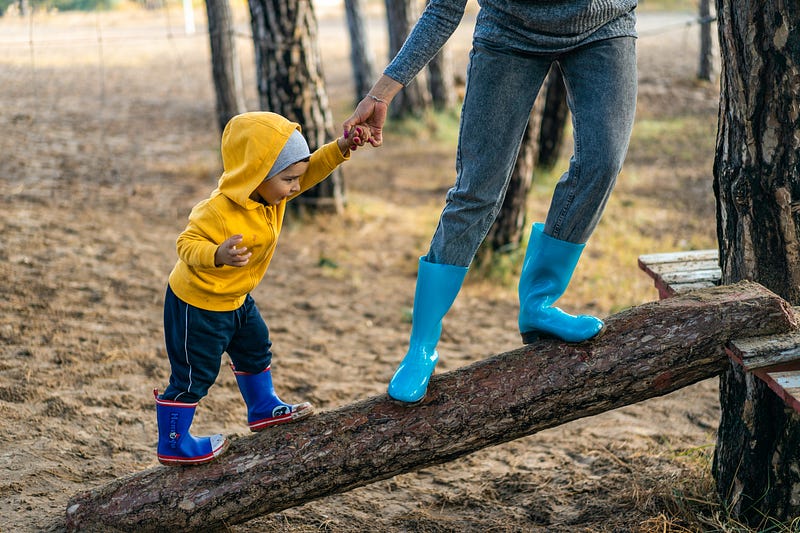
We are born to be givers and receivers of love. As kids, this comes naturally to us. We long to show those around us the love we have for them, and readily accept the love that comes our way. We make little cards for our parents and give them big hugs when they come home from work.
As we grow older, society tells us that our value lies in other things such as fame, wealth, and power. At the same time, emotions are said to be a sign of weakness. We end up chasing the wrong things and lose sight of our intrinsic selves and the love we have to offer.
One of the best ways to cure loneliness is through acts of service.
When we reach out to others, we do two things:
We first shift the focus from ourselves to someone else. Loneliness makes us delve inward and chips away at our self-esteem. Thinking about and helping others gives us peace from the burdens we place on ourselves.
Secondly, service reminds us that we have value to add to the world. That we have meaning. That we belong. At our core, we thrive off of feeling part of a community and find real happiness in the giving and receiving of love.
As this pandemic continues, we may follow one of two paths.
The first is one in which we experience deepening loneliness as we are physically distanced from each other over longer periods of time. This could cause a social recession that is just as consequential as the economic one.
The other is one of social revival. One in which we reflect on the role we want our relationships to play in our lives. Realizing how important these interactions are for our well being, could lead us on a completely different and more hopeful path.
What can we do?
We can commit to spending more time with the people we love.
And we can focus on the quality of time we share with others, by being present.
Sacrificing our time and putting in the effort to build and deepen the connections we have means we live healthier and more fulfilling lives.
So what are we waiting for?


