avatarPanos Grigorakakis

Free AI web copilot to create summaries, insights and extended knowledge, download it at here

3040

Abstract

really ceased to evolve. That’s not to say that once life emerged everything proceeded uneventfully and without mishaps. During the hundreds of millions of years that followed, Earth did face some cataclysmic events so serious that nearly ended life.</p><figure id="8fa5"><img src="https://cdn-images-1.readmedium.com/v2/resize:fit:800/1*ScCa0iE4P_gfxMDQ8L26UA.jpeg"><figcaption>Photo by <a href="https://www.pexels.com/@pixabay?utm_content=attributionCopyText&amp;utm_medium=referral&amp;utm_source=pexels">Pixabay</a> from <a href="https://www.pexels.com/photo/earth-desert-dry-hot-60013/?utm_content=attributionCopyText&amp;utm_medium=referral&amp;utm_source=pexels">Pexels</a></figcaption></figure><h1 id="4755">“The Big Five”</h1><p id="418b">It is estimated that more than twelve extinction events have occurred since multicellular life emerged. Among them, five were truly apocalyptical, earning deservedly the nickname<b> <i>“The Big Five”</i></b>. Those events which were characterized by a rapid and widespread decrease in biodiversity are often called <b><i>Mass Extinctions</i></b>. They were the following:</p><p id="dae9"><b>Ordovician-Silurian Mass Extinction </b>(450–440,000,000 years ago): <b>60–70% </b>of all species went extinct. The first of the mass extinction events, probably caused by global cooling, with ice caps and glaciers abundant even in the tropics. During that period, our planet almost completely froze.</p><p id="ae46"><b>Late Devonian Mass Extinction</b> (375–360,000,000 years ago): <b>70%</b> of all species went extinct. Probably not one, but a series of extinction waves lasting millions of years. Global warming and rising carbon dioxide levels caused ocean anoxia, thus driving to extinction most of animal life which, at the time, was confined to the seas.</p><p id="4a46"><b>Late Permian Mass Extinction</b> (252,000,000 years ago): <b>90–96% </b>of all species went extinct. Extinction was triggered by many factors such as world-wide increased volcanism, the formation of Pangea, and a sudden release of methane and carbon dioxide in the atmosphere that caused global warming and ocean acidification. This is the biggest extinction event of all time. It is also known as the <i>“Great Dying”</i>.</p><p id="553f"><b>Triassic-Jurassic Mass Extinction </b>(201,300,000 years ago):<b>70–75%</b> of all species went extinct. Scientists suggested that climate change, global warming, and lack of ecosystem diversity due to Pangea’s consolidation are possible factors for extinction. During that period most of the non-dinosaurian archosaurs, therapsids, and large amphibians went extinct, allowing the dinosaurs to evolve and eventually dominate the planet.</p><p id="2358"><b>Cretaceous-Paleogene Mass Extinction</b> (66,000,000 years ago):<b>75%</b> of all species went extinct. Extinction was probably triggered by a huge asteroid impact that caused a series of chain reactions, from magnitude-11 earthquakes to thousand-foot-high mega-tsunamis. Most importantly, hyper-volcanic activity was al

Options

so in effect during that time, forming, hence, a deadly cocktail of disaster. This extinction event marks the end of all non-avian dinosaurs, pterosaurs, marine reptiles (mosasaurs, plesiosaurs), ammonites, etc. Notable survivors include birds, species of crocodilians, and of course, mammals. The latter continued to evolve and eventually became the dominant terrestrial vertebrates of our time.</p><figure id="ab2e"><img src="https://cdn-images-1.readmedium.com/v2/resize:fit:800/1*KFprhDmfSi8tdEskPhTo9A.jpeg"><figcaption>Photo by <a href="https://www.pexels.com/@muhammad-syahroyni-1165244?utm_content=attributionCopyText&amp;utm_medium=referral&amp;utm_source=pexels">Muhammad Syahroyni</a> from <a href="https://www.pexels.com/photo/mountain-ranges-2819353/?utm_content=attributionCopyText&amp;utm_medium=referral&amp;utm_source=pexels">Pexels</a></figcaption></figure><h1 id="8663">A more accurate perspective</h1><p id="52a8">The five mass extinction events described briefly above were truly <b>unthinkable in scale and severeness</b>. The fact that life continued to evolve even after suffering this kind of unimaginable catastrophes, clearly demonstrates our planet’s extreme resilience and durability. Earth has suffered long ice ages, hyper-volcanic explosions, meteor impacts, nuclear winters lasting thousands -even millions of years, global warming, and many other calamities, yet it survived. Life survived. Even when whole groups of animals went extinct due to a catastrophic event, new ones always emerged to replace them.</p><p id="3107">The way humans impact the environment today, albeit dangerous, pales in comparison with the aforementioned calamities that happened in the past. Some will think this is good news. But, if we continue tο stress the biosphere the way we do today over the next few years or even decades we may reach a tipping point. A point where once reached, extinction will be unavertable.</p><figure id="ea04"><img src="https://cdn-images-1.readmedium.com/v2/resize:fit:800/0*DOU3Swa-RLh-cHm_"><figcaption>Photo by <a href="https://unsplash.com/@jordymeow?utm_source=medium&amp;utm_medium=referral">Jordy Meow</a> on <a href="https://unsplash.com?utm_source=medium&amp;utm_medium=referral">Unsplash</a></figcaption></figure><p id="187b">Even then though, it would not be a matter of destroying something so complex and durable as our 4,500,000,000-year-old planet.</p><blockquote id="c836"><p><b>We simply don’t have the power to destroy the Earth, nor to save it.</b></p></blockquote><p id="87c7">The only thing we are capable of is to cause our own demise or eventually save ourselves. But, if we don’t act now, it may prove too late for the latter…</p><h1 id="5baf">References</h1><p id="e0c1"><i>Brannen P.,(2017), The Ends of The World, Oneworld Publications</i></p><p id="e8e0"><i>Harrari Y. N.,(2014), Sapiens A Brief History of Humankind, Vintage Publications</i></p><p id="fad0"><i>Harrari Y. N., (2017), Homo Deus A Brief History of Tomorrow, Vintage Publications</i></p></article></body>

Are We Capable of Destroying the World?

Before answering, consider this…

Photo by Chapman Chow on Unsplash

Rising nationalism, religious warfare, immigration flows, and shortage of natural resources are tenuous issues causing animosity between countries and are only expected to become more severe in the future.

At the same time, humans continue to burn extensively fossil fuels releasing in the atmosphere huge amounts of carbon dioxide, polluting the air, and causing global warming and ocean acidification.
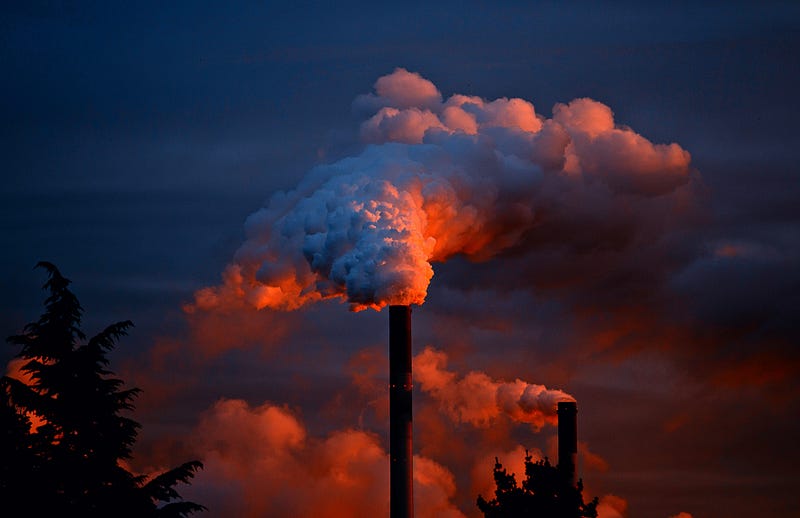
Photo by Pixabay from Pexels

Loads of garbage turn once-fertile soils into wastelands and the total number of fish population will soon be surpassed by the number of plastic bags that “swim” along with them! Moreover, deforestation, mine extraction, and the aridification of land ecosystems lead to the extinction of thousands of species at an alarming rate.

Such is the impact of man in nature today that some scientists even proposed the term “Anthropocene” to define the age when human activity became the dominant force of influence on climate and the environment.

Photo by Artem Beliaikin from Pexels

The million-dollar question

Numerous observers suggest that drastic changes and on a global scale are needed to ultimately avoid destruction and save Planet Earth. But, is that even possible?

Are we really capable of destroying the World?

To answer this question, we first need to take a look at our planet’s past. Earth is a 4,5 billion-year-old planet. It is therefore extremely old, and during that immense timescale, it has understandably changed a lot.

Life in the form of microorganisms began about 3,4 billion years ago, and since then it has never really ceased to evolve. That’s not to say that once life emerged everything proceeded uneventfully and without mishaps. During the hundreds of millions of years that followed, Earth did face some cataclysmic events so serious that nearly ended life.
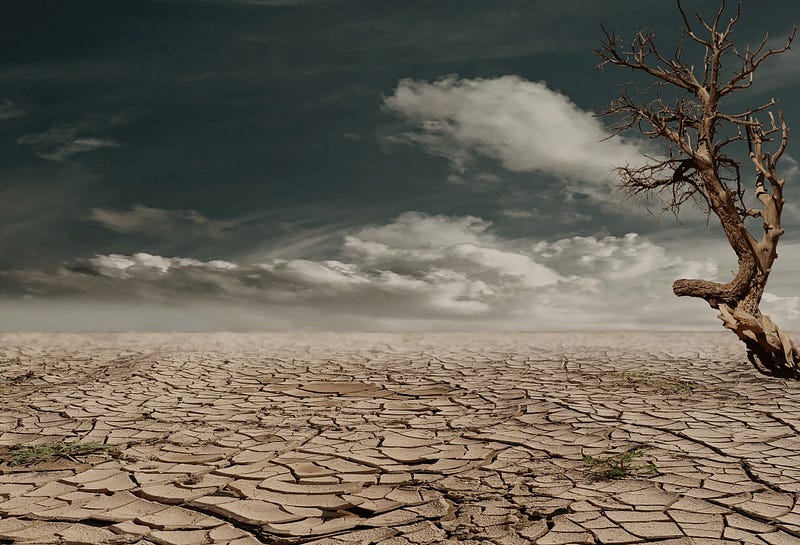
Photo by Pixabay from Pexels

“The Big Five”

It is estimated that more than twelve extinction events have occurred since multicellular life emerged. Among them, five were truly apocalyptical, earning deservedly the nickname “The Big Five”. Those events which were characterized by a rapid and widespread decrease in biodiversity are often called Mass Extinctions. They were the following:

Ordovician-Silurian Mass Extinction (450–440,000,000 years ago): 60–70% of all species went extinct. The first of the mass extinction events, probably caused by global cooling, with ice caps and glaciers abundant even in the tropics. During that period, our planet almost completely froze.

Late Devonian Mass Extinction (375–360,000,000 years ago): 70% of all species went extinct. Probably not one, but a series of extinction waves lasting millions of years. Global warming and rising carbon dioxide levels caused ocean anoxia, thus driving to extinction most of animal life which, at the time, was confined to the seas.

Late Permian Mass Extinction (252,000,000 years ago): 90–96% of all species went extinct. Extinction was triggered by many factors such as world-wide increased volcanism, the formation of Pangea, and a sudden release of methane and carbon dioxide in the atmosphere that caused global warming and ocean acidification. This is the biggest extinction event of all time. It is also known as the “Great Dying”.

Triassic-Jurassic Mass Extinction (201,300,000 years ago):70–75% of all species went extinct. Scientists suggested that climate change, global warming, and lack of ecosystem diversity due to Pangea’s consolidation are possible factors for extinction. During that period most of the non-dinosaurian archosaurs, therapsids, and large amphibians went extinct, allowing the dinosaurs to evolve and eventually dominate the planet.

Cretaceous-Paleogene Mass Extinction (66,000,000 years ago):75% of all species went extinct. Extinction was probably triggered by a huge asteroid impact that caused a series of chain reactions, from magnitude-11 earthquakes to thousand-foot-high mega-tsunamis. Most importantly, hyper-volcanic activity was also in effect during that time, forming, hence, a deadly cocktail of disaster. This extinction event marks the end of all non-avian dinosaurs, pterosaurs, marine reptiles (mosasaurs, plesiosaurs), ammonites, etc. Notable survivors include birds, species of crocodilians, and of course, mammals. The latter continued to evolve and eventually became the dominant terrestrial vertebrates of our time.

Photo by Muhammad Syahroyni from Pexels

A more accurate perspective

The five mass extinction events described briefly above were truly unthinkable in scale and severeness. The fact that life continued to evolve even after suffering this kind of unimaginable catastrophes, clearly demonstrates our planet’s extreme resilience and durability. Earth has suffered long ice ages, hyper-volcanic explosions, meteor impacts, nuclear winters lasting thousands -even millions of years, global warming, and many other calamities, yet it survived. Life survived. Even when whole groups of animals went extinct due to a catastrophic event, new ones always emerged to replace them.

The way humans impact the environment today, albeit dangerous, pales in comparison with the aforementioned calamities that happened in the past. Some will think this is good news. But, if we continue tο stress the biosphere the way we do today over the next few years or even decades we may reach a tipping point. A point where once reached, extinction will be unavertable.

Photo by Jordy Meow on Unsplash

Even then though, it would not be a matter of destroying something so complex and durable as our 4,500,000,000-year-old planet.

We simply don’t have the power to destroy the Earth, nor to save it.

The only thing we are capable of is to cause our own demise or eventually save ourselves. But, if we don’t act now, it may prove too late for the latter…

References

Brannen P.,(2017), The Ends of The World, Oneworld Publications

Harrari Y. N.,(2014), Sapiens A Brief History of Humankind, Vintage Publications

Harrari Y. N., (2017), Homo Deus A Brief History of Tomorrow, Vintage Publications

Environment
Science
Earth
Climate Change
Extinction
Recommended from ReadMedium