
Are We All Addicts?
Addiction to our Thoughts
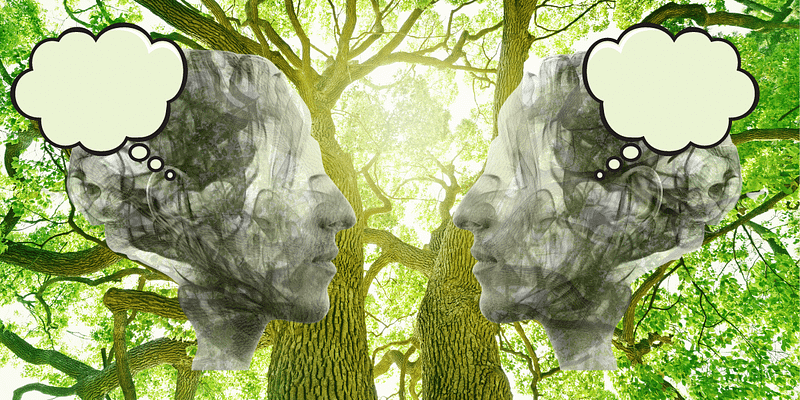
At a young age, I learned the Art of Co-Dependency, a creative survival technique of setting aside our own needs, if we even know them. The person becomes hyper-vigilant about meeting the needs of others to the point of not recognizing themselves as a separate or whole person. This hyper-vigilance gives the outward appearance of kindness, loyalty, and overall good person. You become an expert in seeing the needs of others, acting on them before they recognize them for themselves.
Recovery from codependency is a difficult road. The lack of tangible successes leaves an emptiness and continually questioning if you are doing the right thing. In addition, your standards are built on someone else’s needs first, which causes conflict when you start to change and develop boundaries.
It boils down to looking at whether you are addicted to your thoughts.
Here are a few things that might clue you in to whether you are addicted to your thoughts:
· You think about your life more than you live it.
· You get overly attached to the idea of relationships as opposed to the people who are in them.
· You can’t help but follow a rabbit trail of thought when it first occurs to you.
· You take every single thing that crosses your mind seriously.
· You don’t know how to ignore thoughts that are hurtful or unhelpful.
· You often find yourself helpless at the whim of your mind.
Our thoughts can be our best friend or our worst enemy.
To provide a visual, you can look at “The Addiction Tree” and how you feed and care for your self-talk.
The tree’s roots are based on the underlying shame, wounding, and underlying division within yourself.
The branches on the tree equal the addiction — thoughts, feelings, activities, substances, and people.
Thoughts: perfectionism, worry, repetition, fantasy, or obsessive thinking.
Feelings: anger, rage, guilt, jealousy, envy, or grief.
Activities: exercise, work, gambling, hobbies, shopping, or crime.
Substances: alcohol, nicotine, caffeine, drugs, or food.
People: relationships, sex, love, power, control, and violence.
Pause for a moment and take a good look at your self-talk versus the addictions list. Can you see how this might be affected by the thoughts or feelings branches? Or perhaps it combines with other categories on the tree. Often the branches on the tree need to be trimmed to get to the impact from the roots system.
The best trimming tool is adjusting your thoughts by creating personalized affirmations. Mindfulness is the watering can used to develop healthier leaves. Starting the process of a non-judgmental self-awareness path, you can objectively look at your present moment. You notice the lies versus your truth. You can catch glimpses of the forest through the trees. Then, those intangible successes reward you with a few moments of peace and serenity along your path.