Are There Wild Scary Creatures Lurking in This Forest?
Reciprocal November Nature prompt: “Discovering wildlife wonders”
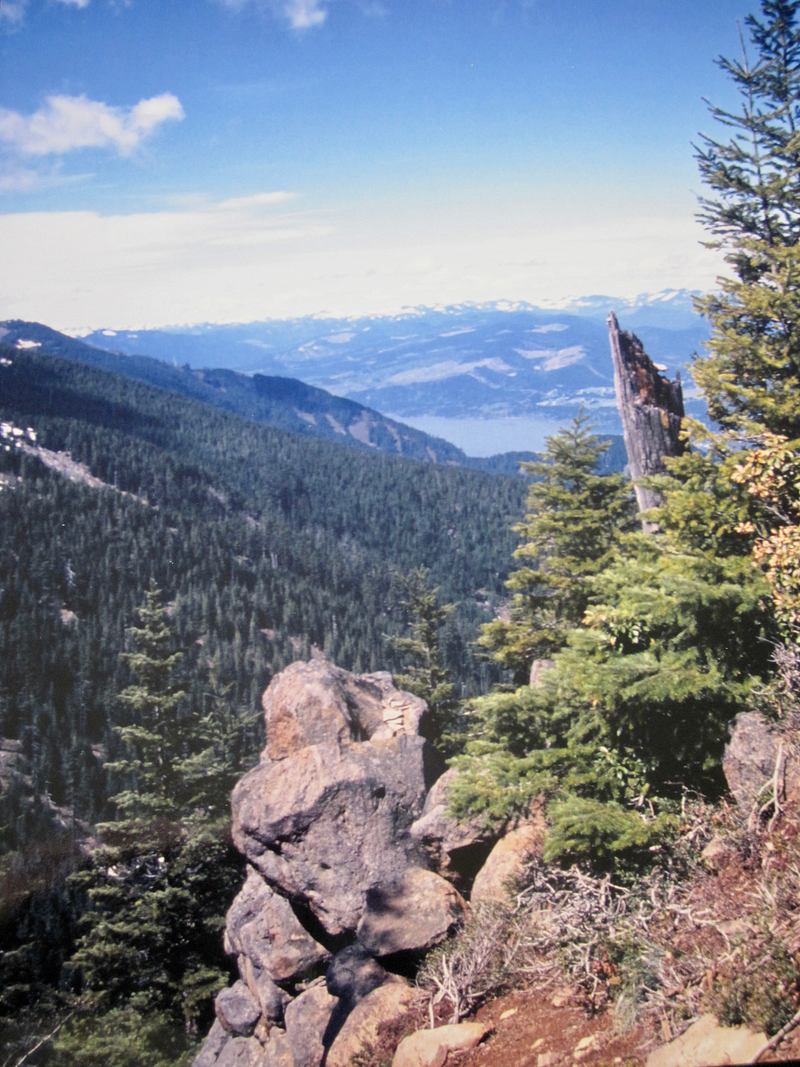
The picture shows an isolated trail in the Columbia Gorge of Oregon. It was my favorite place to go for respite from the hustle and bustle of the Portland area. Look at the thick forested area down below. I often met deer, chipmunks, and bear disturbance. This is a territory for experienced hikers. Many novices tend to get lost.
Most of us live in cities where squirrels, raccoons, groundhogs, rabbits, and opossoms are common. You may even see an occasional deer in ravines.
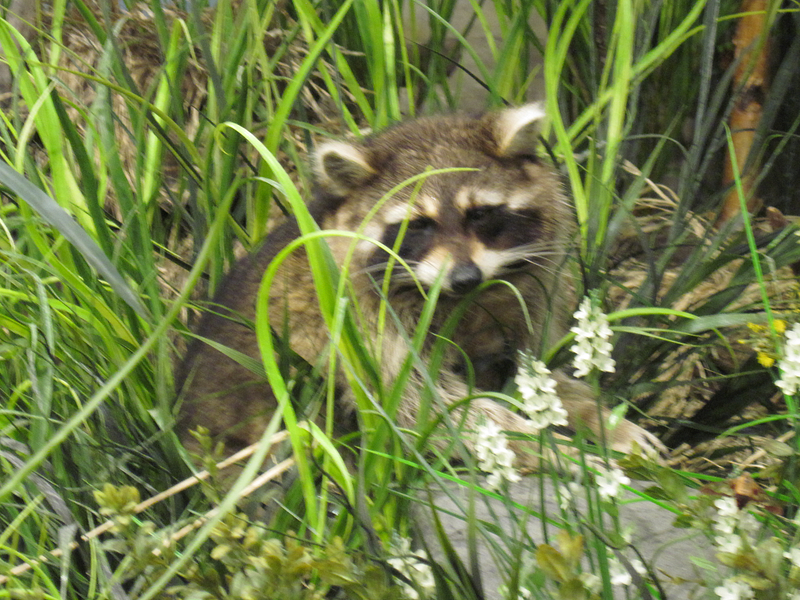
But to come upon our magnificent mammals, you have to venture into a deep forest environment. You will never forget the encounter. They tend to be elusive and stay far away from humans. Never make them feel threatened, simply observe, calm and quiet.
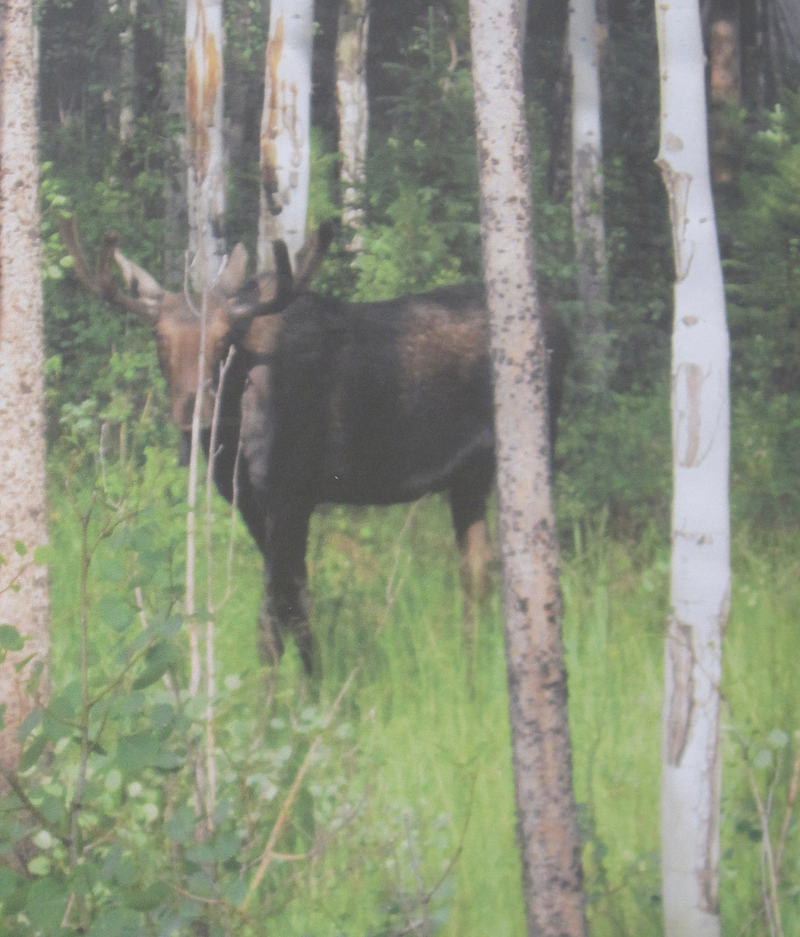
There is no activity I enjoy more than to hike in a forest where few dare to roam. They are not easy to access. You drive on twisting, turning dirt roads that often ascend quite high. Trailheads are usually isolated with few or no cars around. You may wonder if it is safe to be there. I recommend going with an experienced hiking club at first.
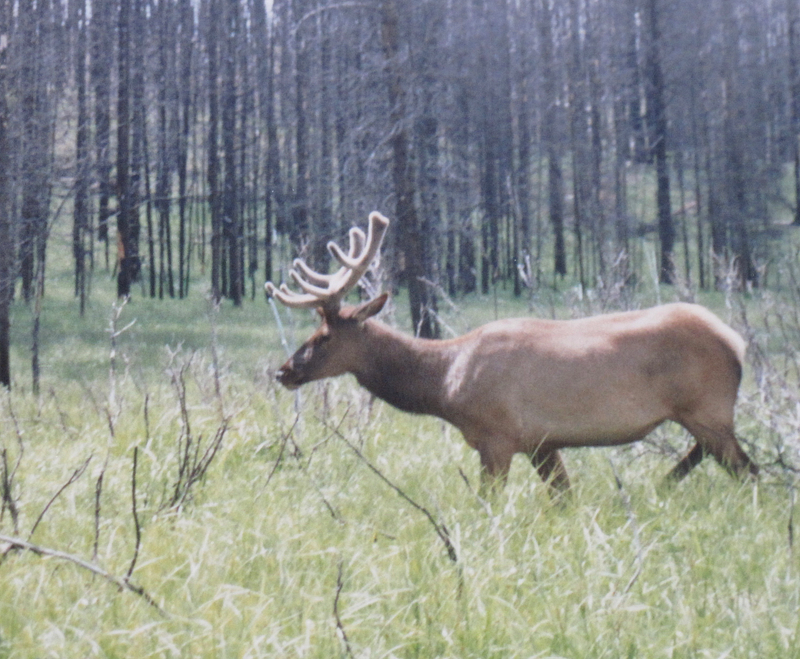
A veteran mountaineer, I often ventured alone with my husky, Chan Teh. I always notified a neighbor of my destination. Many times I hiked with a companion familiar with rugged terrain. Spotting native wildlife was a blessed gift.
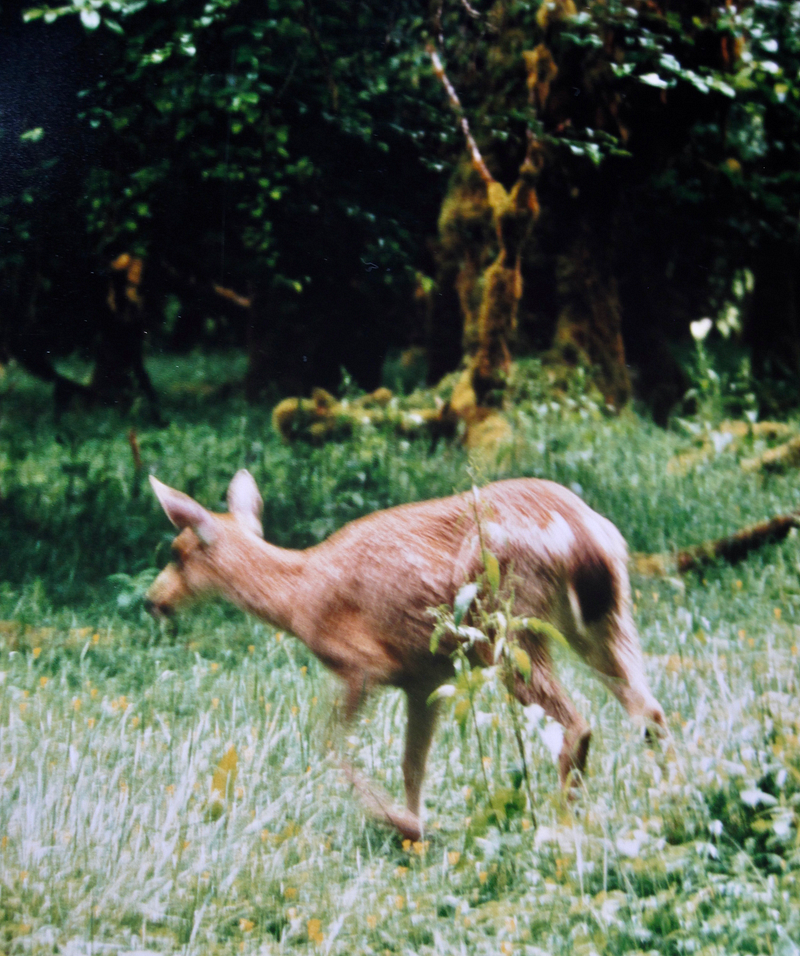
Our National Parks are great places to discover our iconic wildlife. Yellowstone National Park and Custer State Park, SD will not disappoint. Rangers can advise where to go. Many times you don’t even have to leave your car. Be respectful and don’t approach them. This is their native unspoiled habitat.
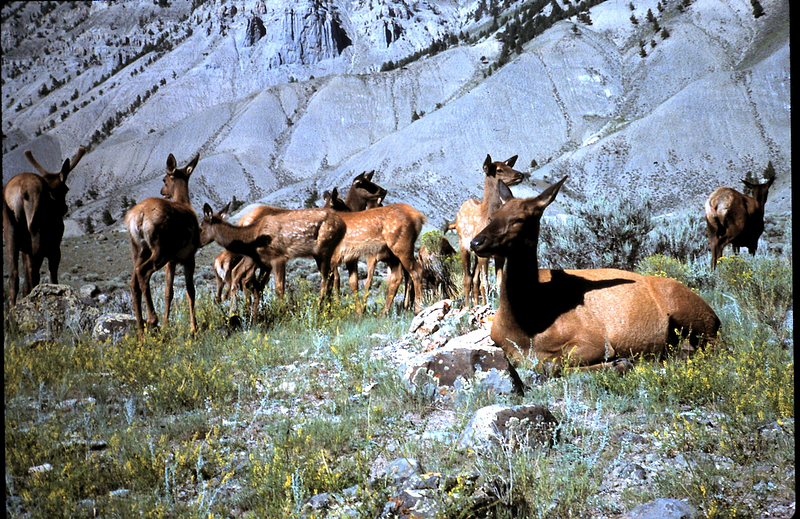
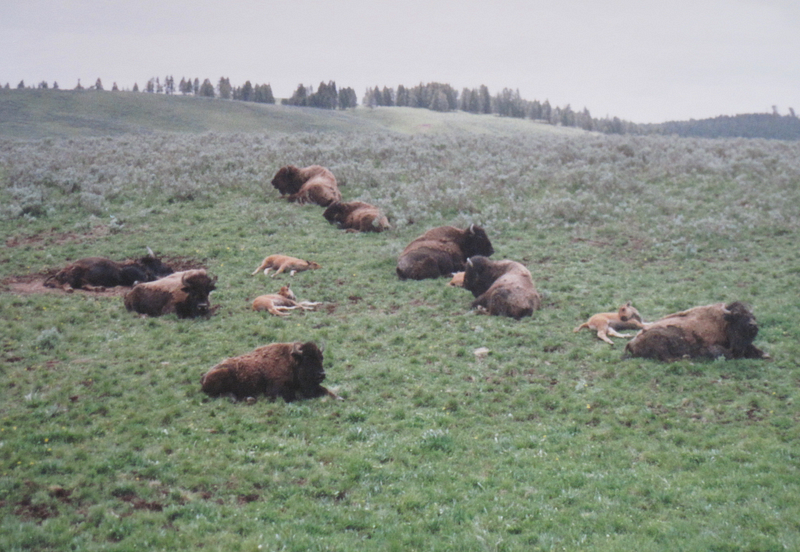
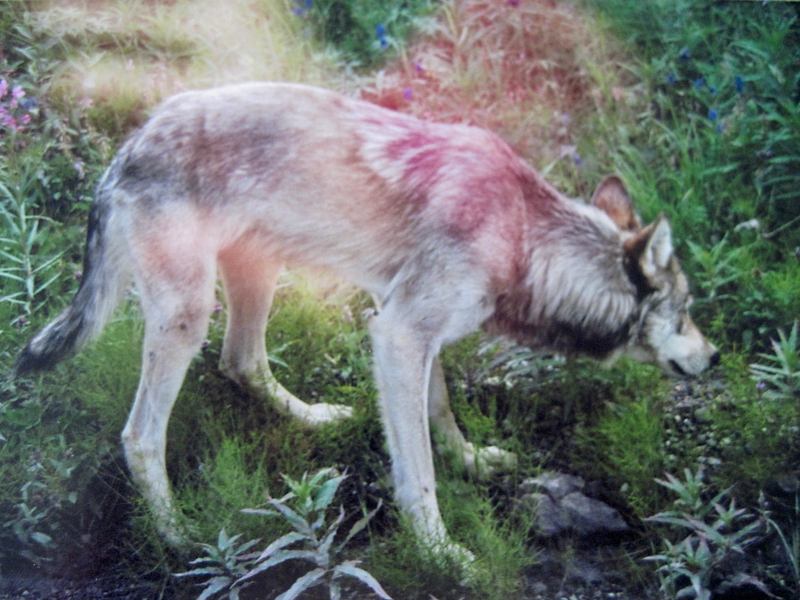
One of the best areas to see abundant wildlife is in Denali National Park, Alaska. I saw these beauties while on a shuttle bus tour. We spied grizzlies and caribou also. It was a perfect solution to grant them freedom from humans in their natural world.
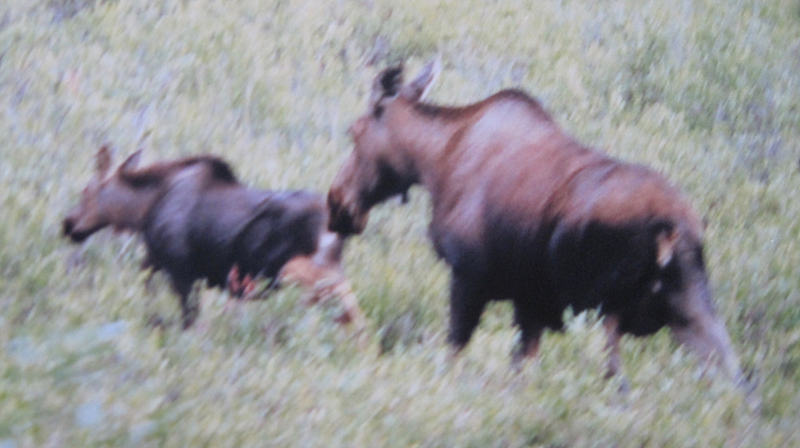
I have encountered black bears in many wilderness areas. They’re a common sight in Minnesota and Wisconsin canoe country. They even roam the Washington Cascade Mountain range. There are many alpine trails to choose from. Many times yearlings have alerted me to their presence by crashing over deadfall. If they had frozen in place, I would not have known they were there.
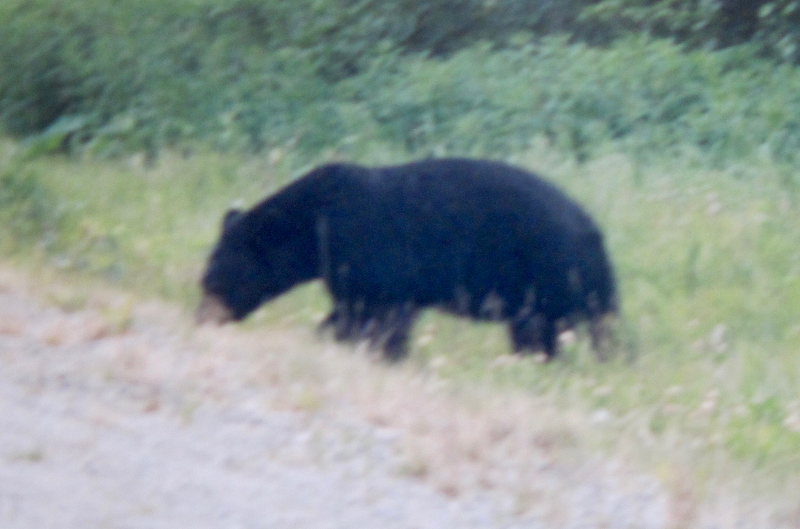
Basically they’re harmless. A directed shout will send them scurrying. Only one time did I feel insecure about one cinnamon colored brute. He kept pace with a friend and I about 20 feet in the woods. When he started huffing, I had enough of his aggressive behavior.
I yelled, “Get back where you belong!” and waved my arms in the air.
My action prompted a hasty retreat towards a nearby ridge. Otherwise we were ready to use trekking poles as a defense against an attack.
Their range in our country is immense. They also occupy the Appalachian and Adirondack wilderness mountains and lakes. Some brave souls may move to eat pancakes off a camper’s plate. Clanging pots and pans will frighten them off. All food items should hang high to discourage bears from swiping your supplies. It is best for you and them to maintain their innate fear of man.
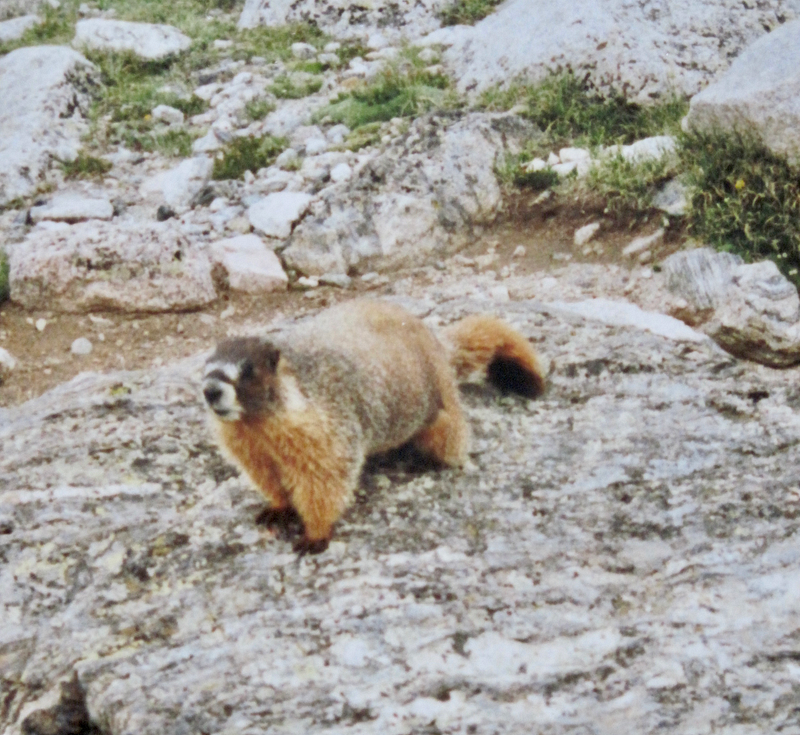
If you spend enough time backpacking in a deep forest, you’re sure to meet a marmot or two. They’re cheeky little devils who aren’t afraid of man. They hang out in rock outcrops and boulder fields. I’ve had them aggressively attempt to raid my dinner cooking on a stove. Throwing rocks to keep them away is the best deterrent.
I even had one scale the door of a solar toilet to get at me. I don’t know what he intended. I had no food on me. But I stood and shouted, letting him know he didn’t want to mess with me. Fortunately he dropped down and was gone when I exited.
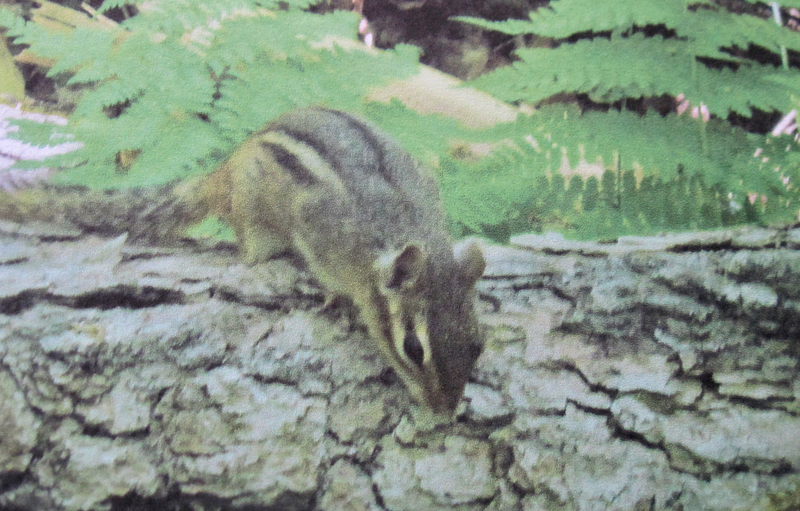
Chipmunks appear everywhere that man chooses to place a campsite. You will meet them in a forest but their favorite territory is State and National Parks. That’s because they associate man with FOOD. Many campers will offer them peanuts. They’re so cute and children love them.
My primary function as a campground host was to discourage this behavior. Peanuts aren’t good for them and can lead to death. It is difficult to change any parent’s thinking, especially when children beg to feed them.
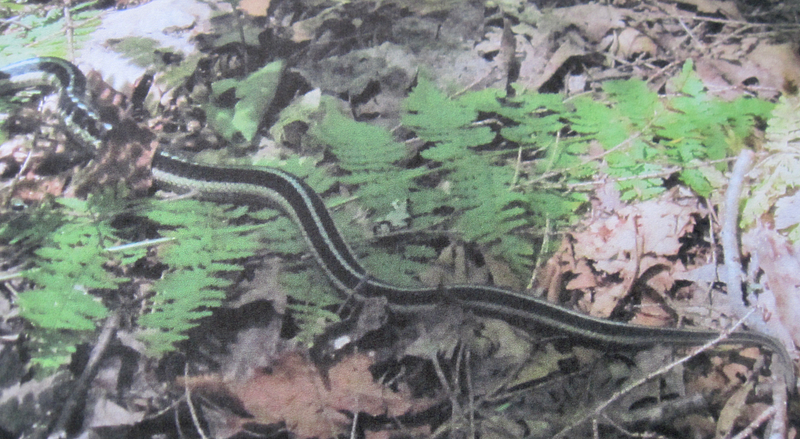
I’ve encountered many snakes while hiking wilderness trails. They’re harmless if you let them slither by. Fortunately rattlesnakes issue a warning. Your best bet is to back away and choose to go around them.
One time a group of us hiked part of the Pacific Crest Trail. The path skirted a huge lake with rock outcrops on one side and the lake on the other. We couldn’t go up or down to avoid an agitated rattlesnake. Its insistent rattle gave a clear warning.
There was no choice. We threw rocks against the undercut opening of a cave. Then ran past quickly, two and three at a time. Our strategy worked. The noise caused the culprit to retreat long enough before it got bold again, ready to strike.
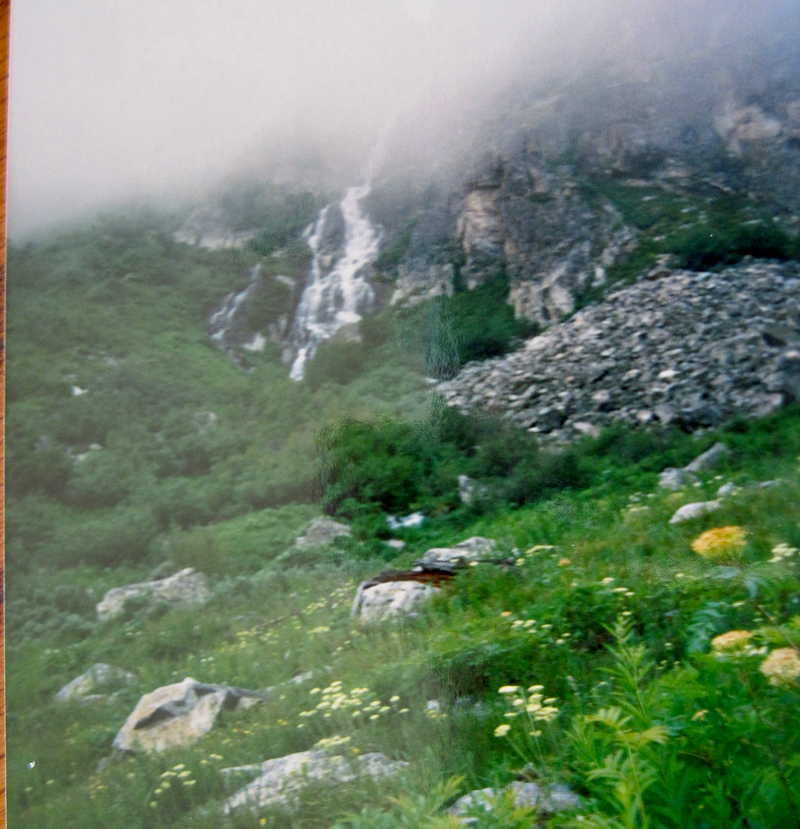
It’s an exhilarating feeling to immerse yourself in an alpine setting. There is a vast ever changing world of forests, meadows, creeks, and outcroppings. If a fog rolls in, it lends a mystical aura to the scene. Your chances of seeing wildlife increase. Walk slow, keep your eyes open, and ears alert.
I recall a surprise meeting behind a rock outcrop in Colorado. We mountaineers were about to crest a trail onto a ridge. The sound of hooves displacing rocks made us aware we weren’t alone. Suddenly a huge bighorn ram appeared followed by four females. We let them claim the ridge first, awestruck to be in their presence. There was no time to grab a camera. The spectacular image is imprinted on my mind. They were gone in the blink of an eye.
My son and I saw a beautiful white mountain goat in the Cascades one morning. We hiked up a trail to the Snowy rock wall, popular among rock climbers. In fact there was a team moving up a multi-pitch route already. We froze in place before entering a sunlit meadow at the top of the path. The goat munched on sweet grass oblivious to our presence. There was no possibility to snap a picture again. We didn’t want to disturb the mammal. It was a rare sight to be so close. We were content to put it in our memory bank.
Hope I’ve shown you the thrills that await for seeing wildlife if you’re in a forest setting.
Thank you Sahil Patel for allowing me to recall spectacular wildlife moments.
Annelise Lords reminds us to take care of Mother Earth and the beauty she gives us every day.
Dr. Preeti Singh writes a beautiful poem expressing gratitude for a nature retreat at an ashram.


