
Are Pushy Parents the Pits? Or Is It Just Bad Press?
I have been that pushy mum: The more times my daughter won, the better I felt. I would polish the crown as if it belonged to me, not her.
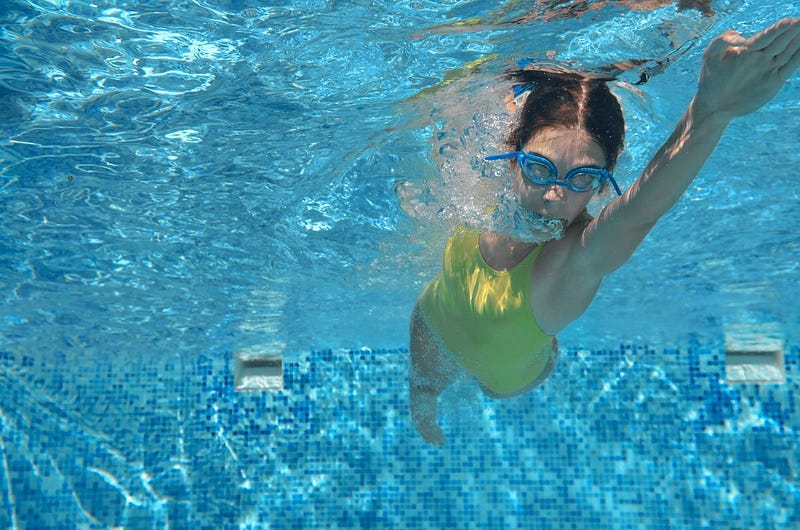
So-called pushy mums get a hard time. They get bad press. I am talking about the ones who seem to live life through their children. Constantly wanting them to have the chance at trying and achieving all those things they didn't have the opportunity to take part in themselves. But let's remember such parental behaviours are simply an evolutionary thing. It is natural for us to want our kids to do better than we did ourselves. For them to have more of everything, including the prestige of being the best at something by making the most of a talent or an opportunity they are presented with.
Personally, I think being a little pushy with your child is OK. There are plenty of other people out there who will try and influence them… Teachers, friends, and other relatives. So if a mother wants to steer her child in a certain direction, then I can not see a problem with that. However, at some point, pushy parenting may look less like encouragement and more like a form of child abuse. There is a fine line and one that is easily crossed by some. Let me tell you my story.
Keep on Swimming
My uncle taught me to swim, apparently.
However, the family stories were all about how he hardly had to show me anything, I was a natural and took to the water like a mermaid.
In the last year of primary school, the class was taken to the pool each week for lessons. I already knew the three main strokes and had quite a bit of stamina in the water too. The instructor put me in the advanced group, where I started to train for life-saving certificates.
This continued into secondary school, and my best friend started attending a swimming club. I should have gone along too but disliked the rigorous routine she told me about — regarding training sessions and galas. But I still went to the local pool for fun and exercise now and then.
Pregnant
Many years passed by, and I became pregnant with my first child. The books said to stay fit and exercise. It would help with the labour and also reduce the amount of weight put on during pregnancy. I was not likely to get too big but enjoyed being in the water, the way it supported my baby bump and made me feel as if I was flying.
I started going every other day, and the young lifeguard would nod to me each time I emerged from the changing room and watched me grow in size.
My due day came and went, but I kept on swimming. Then, the day before I went into labour, the nice young guard spoke to me for the first time.
“Hey, you are swimming great. When are you due.”
I told him, “Last Week.”
The poor chap nearly fell from his lookout post.
My first daughter(DM) was born, and from a young age, I took her swimming, but initially she would scream and scream. So I stopped. But knowing it was great for kids to learn, I started taking her to the pool to watch others enjoying themselves in the water, and gradually by the time she was four, she wanted to try. We went every week and simply enjoyed having fun. Then, when she was nearly six, I signed her up at the local centre, and she joined some duckling classes.
Her teacher was astounded at how quickly she picked up the front crawl and advanced through the levels. I loved watching her and seeing her progress, but also the fun she was having. We were both proud of her new skills.
Club Swimming
Then one day, when she was seven, we were swimming at the local pool for fun, and as we were about to leave, we were approached by this guy. He explained he ran the “starter level” at the swimming club and wanted my daughter to try out. She was eager, so we went along.
He watched her strokes and timed her, and came over to me all smiles. Would I agree to her joining the club? It would involve two sessions a week.
And so the merry-go-round began.
You see, the trouble was DM was rather good. She had the correct purchase on the water, which meant when she swam, she seemed to skim the surface.
By the time she was eight, she had advanced to the first competitive rung at the club. The new coach took me aside and said that from his experience, he felt she could possibly go all the way. I wasn’t sure what he meant but boggled at the thought.
Next came galas. DM was nearly ten, and they already wanted her to attend four times a week. However, I still had a handle on being a good parent, so was keeping it down to three and making sure she had plenty of fun pool time too. But inside, I was brimming with pride and proud she had a talent.
At the end of her first competitive year, she’d won several medals and had the second-fastest county time for her age group in breaststroke. Of course, this meant they selected her to swim for them.
Towards the end of the year, she was encouraged to attend a special workshop with other talented young swimmers from all around the country. Two of which eventually swam for the United Kingdom.
But my daughter did not.
End of the Pool
I realised the glee and the sudden rush of pure competitiveness I felt each time DM was racing was like a dopamine shot. The more times she won, the better I felt. I would polish the crown as if it belonged to me, not her.
Suddenly I found myself taking her to the pool for extra lessons. Swimming was taking over our family’s leisure time.
Then one day, a bell went off in my head, and I asked myself a few questions.
Was my daughter swimming for herself or for me?
How mush actual leisure time was she getting to just be a child?
My encouraging behaviour was definitely pushy. Was it now verging on being abusive?
I could tell DM wanted to please me by winning, but how many kid's parties had she missed due to training or galas? Too many. Not to mention, I was missing out on adult social time too…
“put them in clubs, set goals and targets, that’s all normal. You encourage them to have a good work ethic and do their homework — that’s fine. The difference is when a child doesn’t have any space and it starts to affect their self-esteem and confidence, and all your time is driven by the pursuit of these goals.”
Dr Melernie Meheux, co-chair of the British Psychological Society
The truth was neither of us had space to just be anymore…
Then, fate stepped in — almost as if it understood my dilemma. The club wanted her to start training at 5 am! Neither my daughter nor I was keen, so sat down and had an open conversation about her sport. She loved swimming but also felt she was missing out on the final lap of her last year at primary school, so we decided she would take a six-month break from club swimming.
Three months later, we were involved in a car crash that left her badly injured and socially anxious. Her health and happiness became more important than galas. Rightfully so.
DM never did return to club swimming, even when she was fit, as puberty kicked in and she became very self-conscience — although all three of the local clubs rang to say they wanted her on their team.
Thoughts on Swimming
In my opinion, if swimming clubs had a few more rules regarding the amount of time a child is allowed to spend in the pool, their parents may not push so heavily from a young age, and there would not be such a huge drop-off from this sport.
Conclusion
Looking back, I can see how I was literally driven along by the high I felt whenever DM did well. My vision was clouded by what I thought were good intentions to let my daughter be part of something I had not managed to achieve. Maybe deep down, I wished someone had been there to encourage me to go along with my friend to the swimming club. Thankfully, I experienced a light bulb moment with the looming prospect of having to take DM training at 5 am. That shock jolted me into taking a second look at our lives.
NB: I always wondered if DM was so proficient at swimming because I had swum consistently with her in my tummy 😉
Subscribe to May More 💜 Tales — If you would like to get an email each time I publish new content, then please click here.