
Are Physical Buttons Staging a Comeback? The Impact of New EU Safety Rules
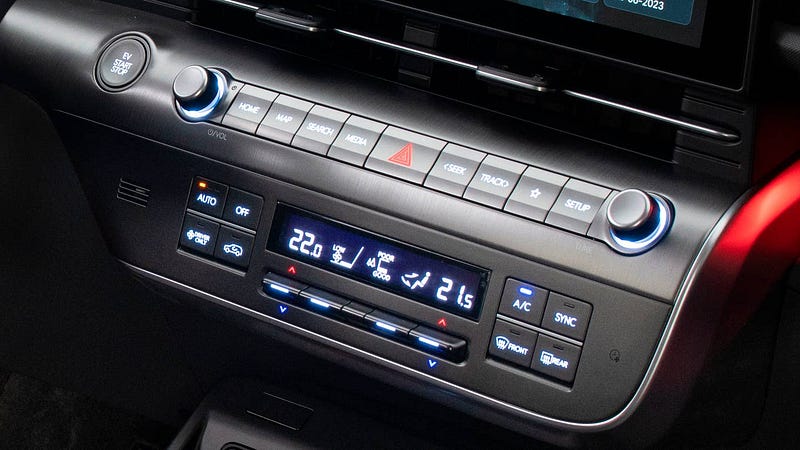
The relentless rise of touchscreen controls in modern cars has been a defining trend, streamlining dashboards and offering a futuristic feel. However, safety concerns over distracted driving have prompted a potential regulatory shift. The European New Car Assessment Program (Euro NCAP) plans to introduce stricter safety tests in 2026, potentially deducting points for vehicles lacking physical buttons for core functions. This move raises the question: will the era of the button return to our car dashboards?
The Argument for Physical Controls
Advocates of physical buttons argue that while touchscreens look sleek, they pose a safety hazard:
- Eyes Off the Road: To use a touchscreen, drivers must divert their gaze from the road to locate and tap the right virtual button, increasing the risk of accidents.
- Tactile Feedback: Buttons offer tactile feedback, allowing drivers to adjust settings without prolonged visual searches.
- Familiarity: Many drivers have developed muscle memory for common controls, making them more intuitive to use while driving.
The Euro NCAP Influence
While Euro NCAP cannot mandate that automakers bring back buttons, its influence is significant. A five-star safety rating is coveted by manufacturers, and failure to achieve it can negatively impact sales. The specific functions Euro NCAP may require having physical controls include:
- Turn signals
- Hazard lights
- Horn
- Windscreen wipers
- Emergency call (eCall)
What This Means for Automakers
Car manufacturers face a balancing act. Touchscreens still hold strong aesthetic appeal and offer flexibility in interface design. Possible responses to the new rules include:
- Hybrid Solutions: Combining touchscreens with a limited set of critical physical buttons or knobs.
- Haptic Feedback: Enhanced haptic feedback in touchscreens to mimic the tactile sensation of buttons.
- Voice Control: Further development of voice controls to minimize the need to take hands off the wheel.
The Uncertain Future
It’s too early to predict a wholesale return of physical buttons to car interiors. Automakers will likely explore a mix of technologies to satisfy the safety demands while maintaining the design advantages of touchscreens. The new Euro NCAP regulations might not reverse the touchscreen trend, but they serve as a stark reminder that safety must be a top priority — even as technology continues to reshape our driving experience.


