
Are Millennials Lonelier in the Digital Age?
Navigating the depths of modern-day solitude in a world hyper-connected by ones and zeroes
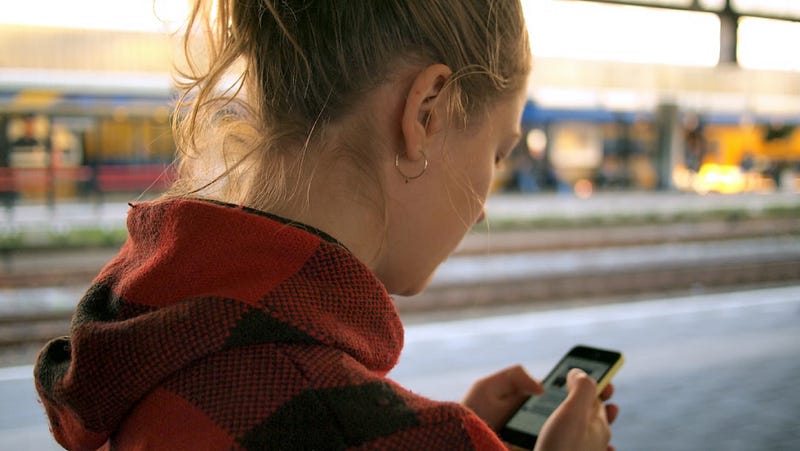
Do you remember the good old days when the worst thing to happen was running out of printer paper right when you needed to print a school project? Well, I do. Welcome to the 21st century, where things have changed — a lot. It’s a time where life is no longer governed by paper and ink, but by followers, likes, and hashtags. In this digital era, where socializing equals social media, there’s a question that has been plaguing me — Is loneliness hitting us, young adults, harder than ever?
The Isolation Paradox: You’re Never Alone but Always Lonely
Here’s the deal, you’re not alone if you’ve felt a tad more isolated than before. You see, the internet was designed to bring people closer, to make the world smaller. But, it’s kind of like a paradox. You’re simultaneously everywhere, yet nowhere. Ever been stuck scrolling endlessly through Instagram at 3 AM, wondering why the cat next door seems to have a more exciting life than you do? That’s the isolation paradox for you. It’s like being at a party with everyone you know, but you’re stuck in the bathroom, peeking out through the keyhole.
The Ghost Friends Phenomenon
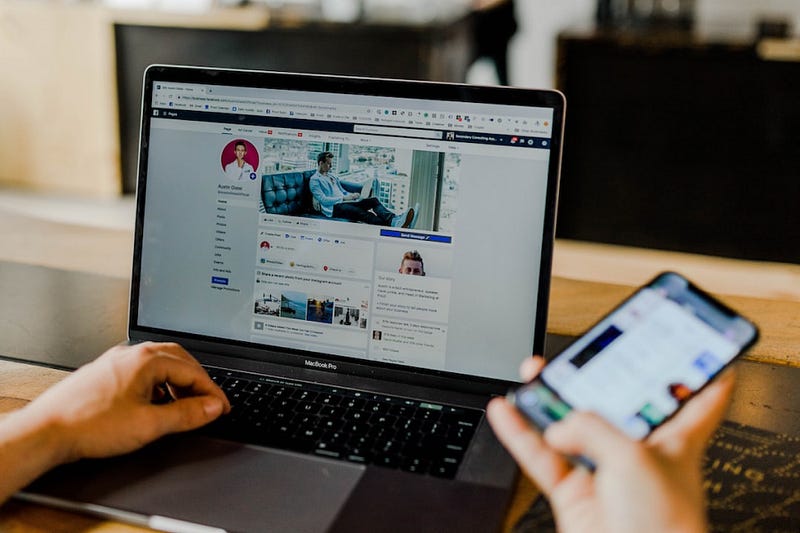
You know what else is eerie? The ‘Ghost Friends’ phenomenon. I don’t mean Casper in your contacts list, but the 500+ friends you have on Facebook. It’s like owning a Ferrari — cool, right? — but not having gas to run it. How many of those “friends” do you genuinely connect with? Research says that humans can maintain about 150 stable relationships. So, what’s happening to the other 350 friends? They’re becoming ghost friends, showing up to haunt you every time you throw an online party.
The Compare and Despair Trap
Don’t even get me started on the compare and despair trap. Picture this, you’re scrolling down your feed, and there it is — Brenda from high school, with her perfectly filtered sunset photos and the “#Blessed” captions. Suddenly, your amazing day seems rather dull. We tend to forget that people often put their best foot forward online. It’s like going to a masquerade ball every day — everyone’s hiding their true selves behind glamorous, happy masks. And the ones on the other end are left feeling ‘less than.’
The Screens Over Scenes Dilemma
Remember when we used to actually go out? Not for Instagram-worthy photos, but to enjoy the moment, the place, the company. Now it seems like we’re living life through our screens. Ever gone to a concert only to realize that you’ve seen the entire thing through your phone, recording it? We’ve forgotten to cherish the present, the scenes in front of us, and are instead immersed in screens.
The ‘Never Good Enough’ Syndrome
Speaking of screens, they have a sneaky way of making us feel like we’re never good enough. Don’t believe me? How about the countless times you’ve tried to take a ‘casual’ selfie? One click turns into ten, ten into a hundred, and before you know it, you’ve got your own photoshoot going on, complete with light adjustments, angle checks, and infinite filters. The quest for the ‘perfect’ image is incessant, often leaving us in a perpetual state of dissatisfaction and self-doubt.
The 24/7 Availability Expectation
The digital age never sleeps, and apparently, neither should we. The expectation to be ‘available’ 24/7 is more exhausting than my gym routine, and that’s saying something. The consistent ‘dings’ of notifications have us running a never-ending race. No matter how late it is or what we’re doing, there’s an unspoken rule to reply immediately. The fear of missing out, or as we like to call it — FOMO, takes away the joy of being in the moment.
The Forgotten Art of Deep Conversation
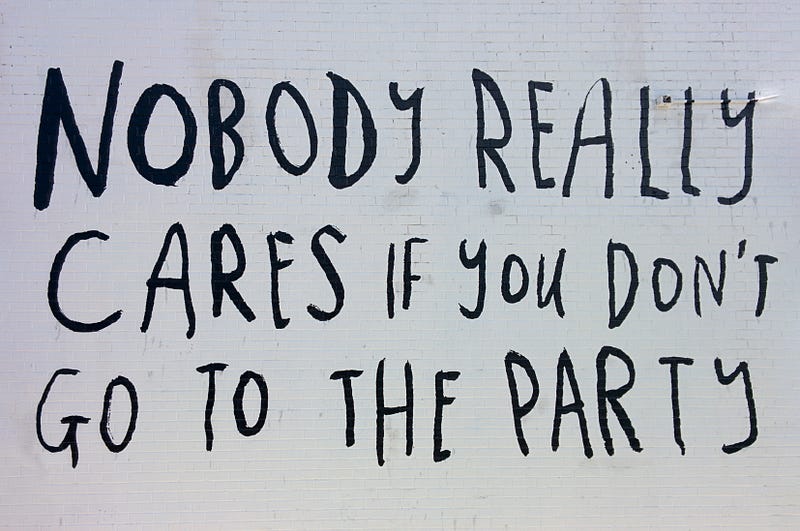
Finally, let’s talk about the big elephant in the room — conversation. We’re more comfortable texting than talking, and emojis have become our chosen form of expression. We’ve forgotten how satisfying it is to dive deep into conversation, explore ideas, share dreams, fears, and thoughts. What we have now are snippets of dialogue, shared between distractions of pop-up ads and incoming messages.
The Overwhelming Info-glut Conundrum
Information is everywhere. If knowledge is power, then we should be the most powerful generation to walk the earth. But here’s the catch, the overwhelming amount of information we’re exposed to every day is a lot like being in a candy shop with a hundred-dollar bill and no idea where to start. We consume content like there’s no tomorrow, yet, ironically, we end up feeling more empty than filled. Information overload leaves us mentally drained and ironically, can lead to decision paralysis. So, my friends, sometimes less is more. Let’s be mindful of the content we consume, because not everything that glitters on the internet is gold.
The Digital Persona and Authentic Self Divergence
We all put on a little bit of a show online, don’t we? It’s the place where we can edit and filter until we’re a shinier, happier, more fabulous version of ourselves. But the gap between our digital persona and our authentic selves can get so wide, even a Boeing 747 couldn’t fly across it. And that, my friends, can make us feel more isolated. It’s okay to be real, to be imperfect, and to have off days. So let’s try to make our online world a reflection of our real world and not a digitally altered, photoshopped utopia.
The Depersonalization of Interaction Issue
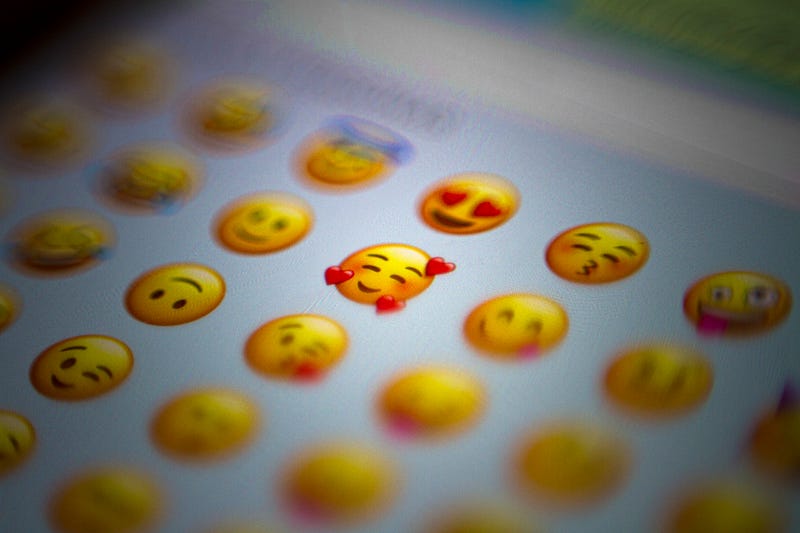
Here’s a peculiar thing, we live in an age where you can ‘like’, ‘comment’, and ‘share’ emotions. We send a heart emoji when we love something and a crying one when we’re sad. It’s as though our emotions have been reduced to pixels on a screen. This depersonalization of interaction can leave us feeling detached and disconnected, even in a crowd. We forget that human emotions are complex, intricate, and deserve more than just a mere click.
The Phantom Vibration Syndrome
Have you ever felt your phone vibrate, only to check and find zero notifications? Don’t worry, you’re not going crazy. It’s called ‘phantom vibration syndrome’ and most of us have experienced it. We’ve become so attached to our digital devices that our brains are playing tricks on us. This constant anticipation for interaction demonstrates our dependence on digital validation to such an extent that it might interfere with our real-life socializing, making us feel more alone when digital interaction doesn’t meet our expectations.
The Facade of Social Media Popularity
In the digital age, it’s easy to equate followers with friends, and likes with acceptance. But let’s face it, online popularity can be a hollow experience. It’s like eating a giant bag of marshmallows — it looks filling, but leaves you hungry for something more substantial. Chasing after fleeting digital popularity can make us overlook the value of genuine, face-to-face interactions, leading us to feel more isolated in the long run.
The Disconnect Between Offline and Online Realities
The world behind our screens can sometimes feel more appealing than our offline realities. It’s a place where we can be anyone, do anything, with no real consequences. But living in a fantasy can make our actual realities seem dull and even more isolating. When the screen goes black, we’re left with an unsettling silence and a nagging feeling of emptiness. So, while it’s okay to enjoy our digital experiences, let’s not forget to live and value our offline lives.
The Superficiality of Online Connections
Ever had a friend list longer than the Great Wall of China, but still felt alone? It’s because digital connections, while vast, can often be superficial. They lack the depth, the shared experiences, the personal touch that real-life relationships offer. It’s like having a garden full of plastic flowers. They look nice, sure, but they lack the fragrance, the texture, the essence of real flowers. While it’s great to have a wide network, let’s also invest time in nurturing deeper, meaningful connections that fulfill us.

The funny thing about loneliness in the digital age is that it isn’t about being physically alone, it’s about feeling alone. It’s the disconnection we feel even when we’re most ‘connected.’ But hey, it’s not all doom and gloom. We’re intelligent beings, after all. So, let’s switch off our devices every once in a while, take a deep breath, and connect with the world around us — no Wi-Fi required.
Yes, we live in a hyper-connected world, but we don’t have to be plugged in all the time. After all, even your phone needs to recharge. Life is too short to be lived through a screen. So, let’s unplug, unwind, and disconnect to reconnect with our real lives. Let’s show the world that we are not just a lonely generation lost in the digital age but a resilient one that can use these challenges as a stepping stone towards more meaningful connections and a less lonely world.