
Are Internet Shutdowns a Violation of Freedom?
Every human who is alive is entitled to basic human rights irrespective of where they live
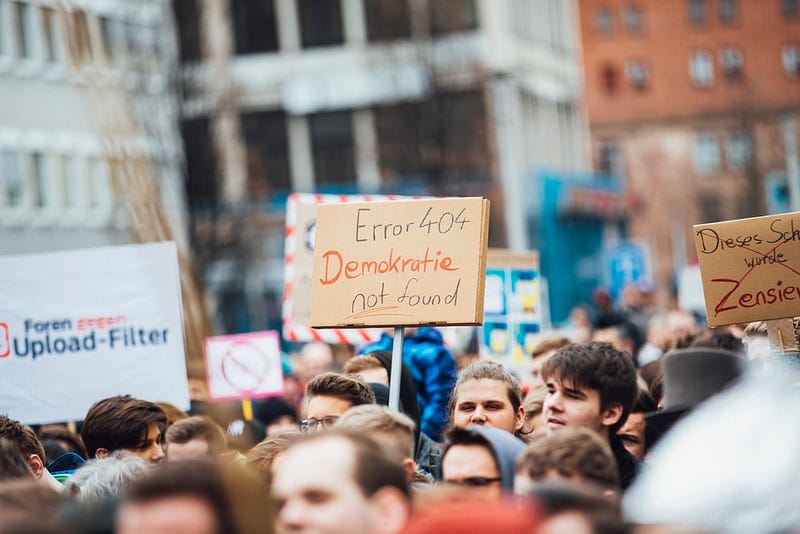
While countries of the west are pushing towards Internet freedom and faster connective speeds, year after year during protests and other peaceful demonstrations against the “Authority” governments of these so-called “Modern” era countries choose to curb citizens’ freedom and either shut down or restrict the use and access to the Internet.
In 2016 the United Nations declared that access to the Internet and freedom of expression online is a human right and condemned, any efforts to hinder people from getting online. The resolution isn’t legally binding and there are resistances from important member nations like China, Russia, India, and Saudi Arabia to name a few.
In today’s world, the Internet is the weapon of choice common people wield to fight against the oppressor and voice out their opinions like journalists used to wield pens in the decades prior. As the death of traditional media continues and people get their news, entertainment, and anything else they choose to with the click of a button via the Internet. We still see authoritarian control, and Internet shutdowns as the weapon of choice governments use to curb basic human rights, spread propaganda, and keep information from getting either getting in or leaving their respective nations.
Is the Internet a privilege or is it a human right?
Universal rights are inherent to all human beings regardless of their race, gender or nationality and they can’t be lessened or revoked as they are the most basic freedoms humans need to lead meaningful lives. Privileges are special freedoms and advantages given only to a limited amount of people.
The argument that is made is using the definition of rights as mentioned above and the Internet is considered as a privilege. In today’s world our businesses, banking systems, entertainment, etc. rely either completely or closely on the Internet which now makes it a right in the eyes of many.
According to an international poll by the BBC in 2010 nearly 80% of people believe the Internet is a fundamental right regardless of whether they themselves use it or know how to use it.
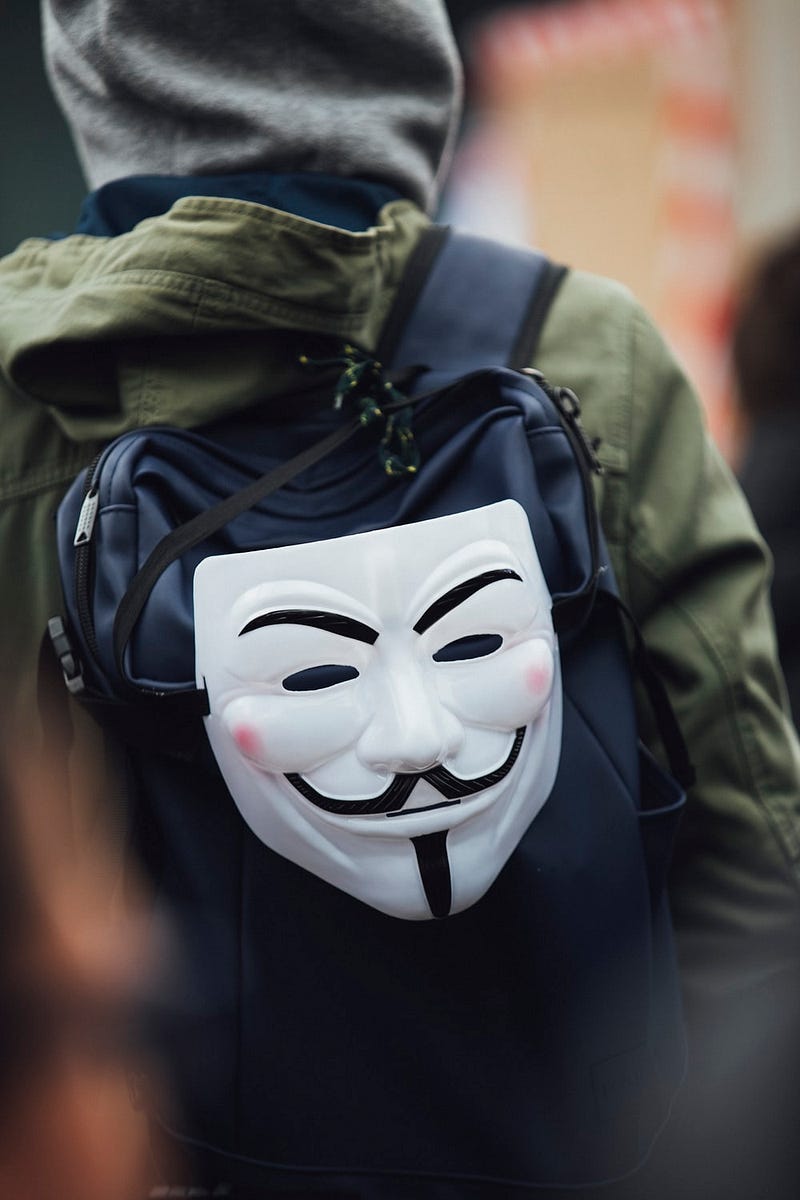
In an era where big tech companies like Facebook, Amazon, Apple, Google, and industry-leading minds like Elon Musk the founder and CEO of Tesla are talking about Privacy on the Internet and plan to make it accessible to the most remote location’s on earth using satellites and other business ventures countries curb the voice of its citizens and spread propaganda.
There are many people including Vinton G Cerf that argue that the internet is not a fundamental right as over time people might value the wrong things but an argument can be made where we reach for the grey area between both sides of the arguments such that the access to the internet should be available to citizens irrespective where they are from even if no one is entitled to the Internet.
The protests for “Net Neutrality” sparked these conversations once again to present the idea that the internet should remain free and not manipulated by anyone but the conversations died out soon after, but it should be revived such that citizens can have a voice against the “Authority” as it is by far the closest thing keeping a Democratic nation alive.
We should continue to ask and fight for the rights of Internet freedom at least to ensure countries like India and China during the protests like Democratic Hong Kong, Farm Bill 2021, Article 377, etc. don't cut access to the Internet just to curb the voice of people, spread false news, propaganda and restrict interventions/questions from other nations.