
Are Booming “International” Preschools in Japan Sustainable?
The complicated compulsory education system needs to be updated
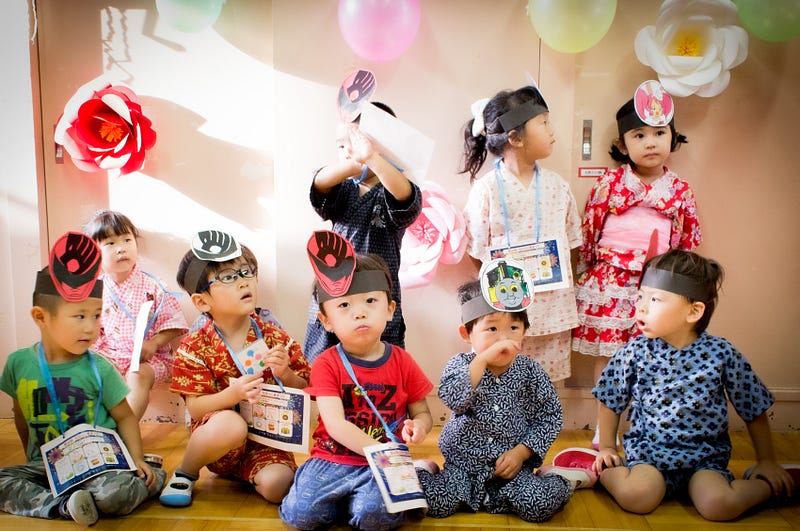
In Japan, many expats and education-conscious parents try to find English-speaking environments for their children. With this growing demand, international preschools are increasing at a rate of 20 to 30 new schools every year, and now the total number is estimated at approximately 500 schools nationwide.
However, it’s not so easy to find an ideal one even in Tokyo because only a few licensed nurses can speak English fluently. According to a survey, more than 70% of nurses and teachers at those preschools are Japanese. And the 30% that remains is simply classified as non-Japanese, which doesn’t necessarily translate to being native English speakers.
International Schools Are Outside the Scope
The Japanese government hasn’t approved international primary schools and junior high schools as being within the framework of compulsory education. The official viewpoint is that these schools are simply to provide education to non-Japanese residents. As a result, the number of international schools, including primary, junior high, and high schools, is still limited to around 50 in Japan.
On the other hand, compulsory education doesn’t include kindergartens and preschools. That’s why international preschools are popular for Japanese parents who want their children to build basic English skills during early childhood.
Due to the complex structure of the compulsory education system in Japan, Japanese parents that choose an international, English-based primary school, instead of one of the local ones, might be in trouble in the future when it comes time for their child to move into a local primary school or junior high. Since these international schools are not aligned with their Japanese educational counterparts, their previous school enrollment records don’t always transfer, leaving them unqualified to move around in many cases.
Are IB Schools the Game Changer?
Now, if that doesn’t daunt you from pursuing an English-focused education program for your children and you want to do it while maintaining a background that will be acceptable to other schools, you should choose IB (International Baccalaureate) schools in Japan. IB schools are said to be challenging to catch up with because of their intense curriculums, but their programs are certified at the same level required by the Japanese compulsory educational system.
After graduating from IB high schools, students have the right to apply at colleges in Japan and overseas. Still, it doesn’t mean you can choose any universities and majors, especially for those in, so parents should be aware of the potential risks.
Other Asian countries like China and Singapore take IB schools seriously and support more teachers becoming certified. However, in Japan, even with relatively lower IB scores than other nations (Hong Kong, China, and Singapore are ranked in the top five while Japan was 15th in 2020), the government seems reluctant to build a more robust bilingual education system for children.
Conclusion
Experts point out that Japanese IB schools don’t perform well because they lack certified teachers and native English speakers. In Japan, it takes little effort to become an English tutor as long as English is your native language. No teaching license is required at many schools and preschools.
As a result of the low quality of English programs in public schools in Japan, IB schools often become the last resort for many parents. And there are many obstacles that people face, such as the costly tuition, lack of access, and even if those aren’t challenging enough, it still yields lower IB scores than other nations.
What Japanese parents can do to offset the negatives is to rely on international preschools. Even if it’s only two or three years for their children to spend their time there, parents are willing to pay the higher tuition rates in the hopes that these preschools will provide a solid foundation of English skills. Now all that is left is for native English teachers and nurses to see the potential in Japan and in Japan’s children.
Follow me for more stories about Japanese culture & society, travel, and parenting. You can also subscribe with the referral link that supports me directly. Mediumの購読は、ぜひこちらのリンクからどうぞ。