
Are Artists Narcissists?
Writers’, painters’, musicians’, filmmakers’ and actors’ egos
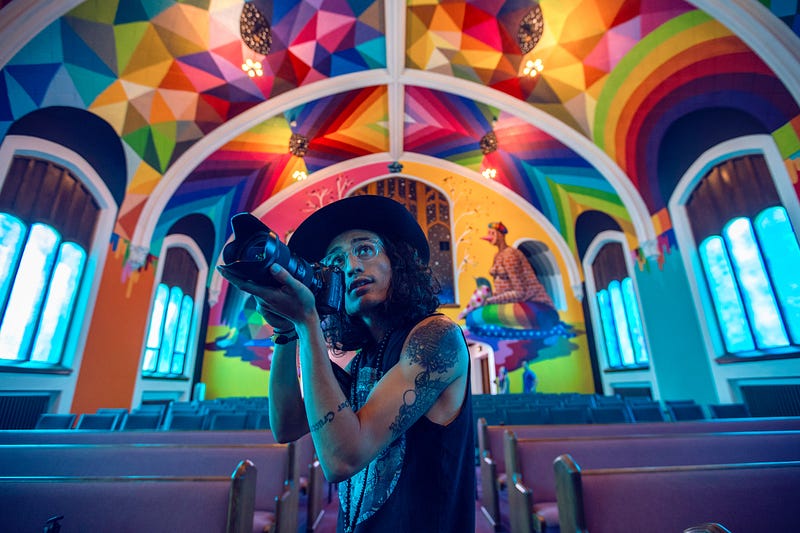
People are growing increasingly aware of Narcissistic Personality Disorder, which is at the high end of the scale of narcissistic tendencies that everyone falls into. People high within the range need attention and admiration and strive to be seen as achieving something wonderful. They create an idealize image to show the public.
But wait a minute
Isn’t that inherently what visual artists, musicians and composers, actors, writers, and dancers do?
They are hopefully beloved because they give the community something delightful, powerful, poignant, admirable, unique, perfected over long periods. The creative works are either presented to acclaim or the artist is deemed unsuccessful.
Making money from the endeavor isn’t necessary for it to be rewarding, as even avant-garde short films that make it into film festivals and poems in relatively obscure collections put out by very small presses are considered success within their rarefied worlds.
For teachers and coaches, showing publications, etc. is necessary to maintain work status, proving competency to students and clients. But otherwise, what artists consider success is not always about practical rewards as much as emotional gratification. Some might see this as egotism.
They can get a story or painting published in a magazine and share the link with their social media friends, who cheer them. After that publication, they might call themselves artists or writers, listing that as their profession on Facebook. Um. Yes, now, they’re getting into ego territory.
And that brings up the question of narcissism
Note that I include all the manifestations of the arts when I use that umbrella term “artist.” Some non-artists might assume that anyone who goes into the poetry profession, for example, is doing it to feed the ego and would obviously choose another profession otherwise. And in fact, there is a strong correlation.
This is not always the case, however. People passionate about the arts have many strong and valid reasons to prioritize them beyond the need to validate themselves by applause. These are only a few:
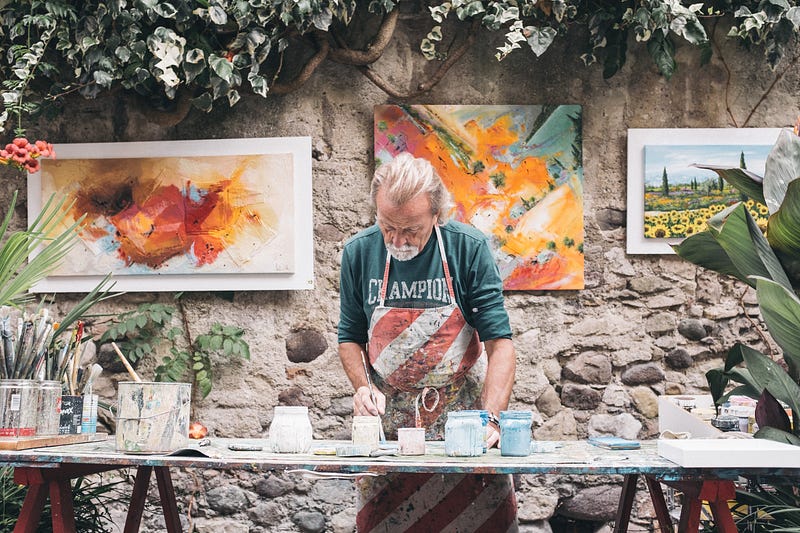
What reasons might a non-narcissist pursue the arts?
They can truly love the process of creating for the sake of creating. Human imagination has fabulous potential and creates joy for its own sake, even if no one else sees the results.
They can truly love making something that gives other people pleasure.
They can be talented and have an understanding of the progression of their chosen art’s history; within that cutting edge dialogue, they have a voice and something to say that moves the dialogue forward. Their vision is unique and speaks for their times or their particular culture. Their gift is worth sharing for their current time and to add to the greatness that future students will be inspired by.
They can naturally think in terms of that art, and nothing else makes sense to them to devote themselves to.
They use the art to work through issues, as therapy, to stay sane and grounded.
They like to push themselves to do a good job at their chosen endeavor, and rather than just relying on their own judgement, they logically depend on the real world feedback about the quality by getting their stories accepted to magazines or winning awards, or their art shown in coffee houses.
Doing artistic things — it’s proven to bring happiness. It distracts from problematic ways to spend one’s time, raises self-esteem by being productive and inventing something beautiful to the creator. It’s good for the brain and longevity.
Artists can put their collages on their walls. Musicians can play songs for their beloveds. Screenwriters can watch their own movies that are exactly to their own taste. Poets can read at the bookstore or on Zoom, just as storytellers have done around campfires since the dawn of history.
Maybe they learned during school that the highest value is placed on art that inspired the sense of the sublime. And they wanted to be worthwhile people doing what is most appreciated rather than just going along for a free ride, being a consumer.
They get a rush from performing with others on stage, creating intensely beautiful music and participating in one-of-a-kind historical moments shared by the masses. Their personalities just fit rocking out.
They memorialize moments they want to remember when spending the night in a church or being in a rumble or whatever, turning their fleeting pain and pleasures into something meaningful and lasting. They capture the amazing people they meet along the way by turning them into characters.
They are technically gifted and enhance the art form so others can create a Wall of Sound or new distortion technique or DJ scratch, and so on.
They want to change the world.
They can understand what they feel by expressing it. And maybe they have a place within the culture, such as getting together with friends at the hip hop open mic and beat boxing together all the way to the party afterward.
They love the bonding that happens in a play.
They like other artists and find being part of the scene is the best place to find compatible romantic partners. And it enhances their mystique and brings color to the relationship.
There are as many reasons as there are people.
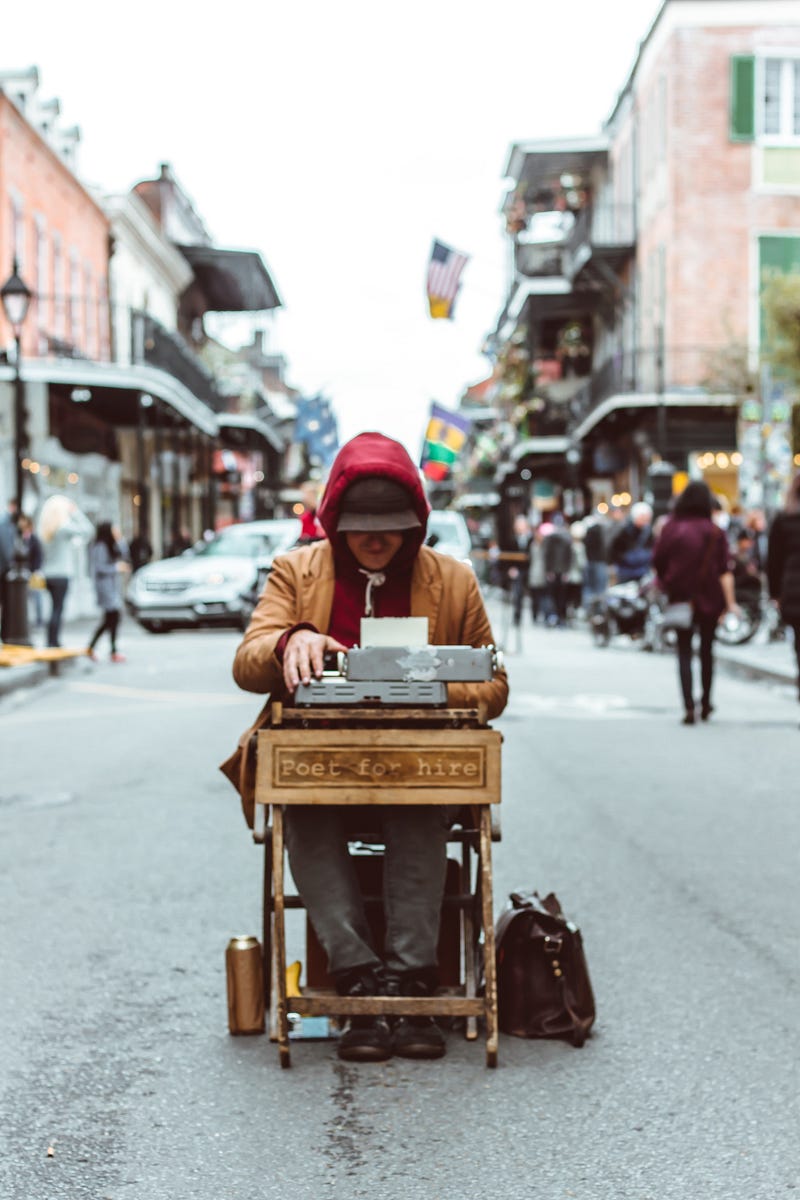
Gradations matter
In fact, if they really care much about significant status, power and glamor, serious narcissists aren’t very likely to chose the Literary world, though they might instead aiming for best seller blockbuster Genre novels. Instead of playing in a garage band, they would require being a famous rock star.
Rather than being a ballet dancer in a troupe, they might only be satisfied by being an international diva. Acting in a local theater group isn’t as likely to grab them as being a movie celebrity. And writing heartfelt minor-key dramas for the screen won’t grab them as much as penning major Thrillers in a franchise.
Marketing themselves may not come naturally, but to sell their work, writers need to constantly bring attention to their book reviews, artists must show off their awards, musicians have to promote their tours. In turn, they immerse themselves in the scene and help promote other artists as well. They listen to their audience to learn what they should do to please them more and employ coaches who help them be their best.
That can feel uncomfortably like narcissism to people who aren’t familiar with it. But it’s not the same thing. Narcissists aren’t good at listening to what others say about their work. Narcissism isn’t thinking about oneself a lot and loving oneself, acknowledging one’s talents, bringing attention to the work. Of course if any of their major creative output is universally panned, they’re possibly going to be devastated before they manage to continue on. They may be flamboyant and larger than life, fond of wearing costumes and attending hip gala events. They might not have much time for their friends because of their focus on creating and marketing their shows.
It can make one wonder about oneself — if one is not a narcissist. Full-on narcissists rarely wonder if they are.
Narcissism is a fragile state of needing outside attention on the idealized False Self to feel real and to avoid feeling shame. Narcissists can be nice on the lower end of the scale but are usually non-empathetic, manipulative, defensive. They may be passive-aggressive and subtle in their punishment of people, so they’re hard to read.
Anyone who doesn’t like their art they see as a fool and they do their best to make sure everyone else sees the critic as a fool as well. And they use that quote to show the plight of misunderstood geniuses. Woe be unto a coach who tries to help them improve. They don’t promote their fellow artists out of a sense of community and admiration or get into their work out of interest; they will use them to climb the ladder and then put them in their place. Their art is about themselves. They rip off other artists without crediting them and they label themselves in ostentatious ways.
Self-esteem instability statistically often creates the need for fame.
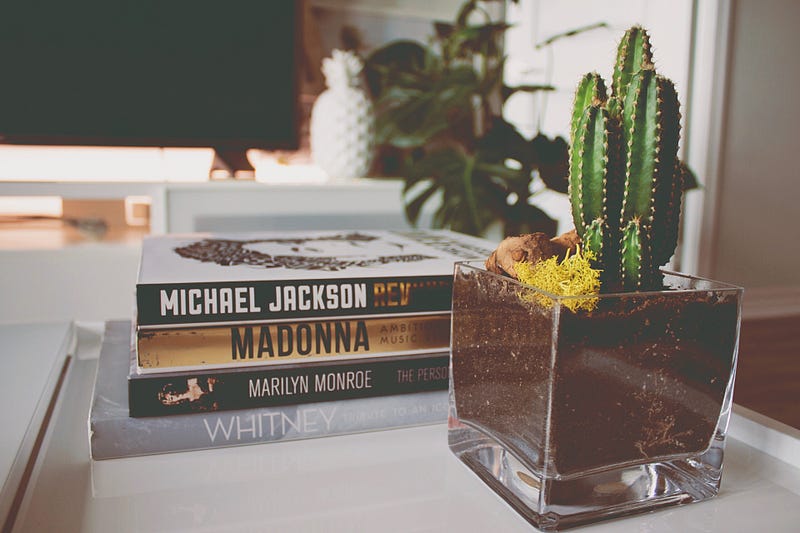
Well-known artists need their egos fed
We see a large number of celebrities listed as narcissists. And studies show that the more egotistical the artist, the more he convinces those around him that he’s hot stuff, and he has the drive, becomes famous, and his art sells for higher prices.
So, yes, if we look at people who reach the heights within the arts, they do indeed more often than the average population have some narcissistic tendencies. And they also attain power, status, glamor, wealthy, and the ability to attract trophy spouses. They’re interviewed about how godlike they are. They continually post glam shots on Instagram.
They’re often driven from a young age to compete, sometimes unfairly, to sleep their way to the top of need be, to study with the best and get recommendations from hot connections, even if that requires bribery and inauthentic friendships. They show off their bodies, wear what the producers tell them to wear to the awards ceremonies, get involved in popular vices to fit into the scene.
Ultimately, their greatness may be tempered by their narcissism if it’s very severe, particularly for some forms of the arts such as acting. True narcissists, those with NPD, don’t experience empathy other than perhaps just enough to know how to manipulate people. They’re acting all the time. So, they can study people’s signals to compensate for lack of empathy and they can portray certain personality traits well enough to fool some people for a while.
But can they deeply move their audiences in profound roles and keep up the pretense long enough to be respected by the critics and resonate with the most challenging characters they play? Probably not, though that’s not always required for celebrities with glitz and pizazz. Will they be able to get along with everyone else on the set?
Will they be able to sing vulnerably and treat their fellows in their bands with equality and consideration? Probably not. But if they’re all doing enough drugs and banging enough groupies, who cares?
Can they write a poignant poem that makes someone cry?
How MUCH do gradations really matter, though?
Can we revisit the lower gradations of the lowly poets and songwriters performing at open mics, the outrageous film students screening their shorts to ten friends, and the painters happy to get a few pieces on the wall of a gallery where they don’t even bother with price placards?
It’s true that raging narcissists wouldn’t be happy with such small wins if they had the capability to rise higher in status. They’d skip the whole art thing if that was all they could get and move on to becoming CEOs, politicians, or models.
But honestly, if you go to a poetry reading at the local bar, you’ll see some folks who really care a lot about getting asked to read at every single reading in the area. And being listed at the top. Even if they’ve never had a book published. And they look at you funny if you sit next to them unless you’re attractive enough for them to hit on and feel proud of themselves if you flirt back.
And they might even have Poet Fights.

Yes, Poet Fights
While I don’t know if the specific poet in question is narcissistic, I’m going to use this memorable instance from years ago as an illustration and hope the poet doesn’t come after me for it with a broken beer bottle.
There was the usual reading at the bar going on, and afterward a barista got up to sing karaoke. Suddenly wine glasses went zinging from next to me at the bar toward the singer. More glasses, more glasses, more glasses, just barely missing hitting her, to the sound of screams.
The poet throwing the glasses was escorted out. Turns out she was angry because the barista had asked someone what he wanted to drink while the poet was reading.
Admittedly, yes, even things like poetry readings, which many folks don’t even know exist, can play a big role in some people’s self-esteem. If they’re caught up in that world, feeling dissed or celebrated makes all the difference to how some poets feel about themselves.
It’s a way not to feel mediocre and mundane like life is boring and they are useless eaters.
This is true more often than it is for people content with low-status non-artist jobs who would never think of performing for applause, even if it’s comedy night or amateur striptease.
Isn’t it natural?
Some narcissists, especially covert narcissists, have low self-esteem. Some narcissists have unrealistically high self-esteem. People need healthy self-esteem to be psychologically balanced — not too high or too low, not dependent on outside validation but, instead, stable and internally generated.
People showing off their arts for applause may be celebrating their individuality and talents in perfectly healthy ways. We’re supposed to take pleasure in our talents rather than hide them. We’re supposed to enjoy socializing and bonding, having some status, demonstrating if possible some reasons our community should particularly enjoy our company.
We’re considered mentally imbalanced if we prefer to always be alone, ignoring our appearance, having no hobbies or outlets for fun. If we have a good time playing music at a club or getting a screenplay made or whatever, there’s nothing about that screams low or high or any kind of unhealthy self-esteem.
It’s natural to look outside ourselves for applause to some degree, rather than being the only ones appreciating our skills. Artists don’t need to feel ashamed like their dirty secret has been called out.

And shame is at the heart of narcissism
Most narcissists ran from shame from an early age because they were not taught how to have a healthy self-esteem. They may not be in touch with their original shame as young children, but most of them had caregivers who didn’t do it right.
So, the children got rid of their shame-filled personalities and created false selves instead. They use those to inhabit to stay far away from their embarrassing authentic self, to the point that their authentic self all but disappears. And they are compelled to prop up their false selves through the admiration of others.
To feel secure, as children they coped by pretending to be ideal geniuses, imagining their future mastery. They continued the pattern through an addiction to recognition, being seen as shining at their craft, better than non-initiates.
They require a sense of prestige to avoid falling into the abyss of not being accepted because they aren’t perfect. They compare themselves to the best rather than just being proud of being uniquely who they are. When their arts aren’t lauded, they feel precarious, as if they are about to die, because their false selves are an unsustainable illusion.
The family they grew up in wasn’t functional and the issues weren’t communicated about out in the open. The children couldn’t talk about what was going on, or even identify how they felt about it. They had to ignore reality.
A false self ironically seemed to be the only way to create some stability, and it seemed the family could crumble if it was abandoned. They could inhabit that cocky self and keep their fragile, weak original self safely hidden away rather than watching it become overwhelmed or beaten down. The family praised the false self, and the narcissist came to believe it was all of him.
Narcissists are not just people with low or overly high self-esteem, though that can be involved. They also have a false self they have to keep in place, which could be their identity as an artist. They may be talented but never take a chance on getting their creative work out to the public because they know they can only handle being seen as perfect, and any failures would be
And they have very little empathy, so they are manipulative, especially those with full-on NPD, are unattached to the truth or consistent memory or treatment of people, with black and white thinking and a tendency to love bomb then devalue people, whom they treat as accessories. They see others as accessories, not as full-fledged humans, and they aren’t innately interested in those lives but only search through their conversations for proof of admiration. If the idolization stops or someone of high status comes along, the friend is dropped.
Narcissism can spin out of control if the artist becomes famous. It destroys lives. Substance abuse to maintain the godlike state and the constant pandering and ratings of the “world’s sexiest actor” take a toll.

Watch out, workshops!
If you’re studying writing, visual arts, and so on, you may attend workshops or critique groups to improve your skills. This is a great place to work on your ability to take criticism and like it, to be silent and non-reactive, to avoid passive-aggressive responses, and to maintain your sense of self and community.
But because of the slightly higher instance of people a bit higher than average on the narcissism scale in the room with you, (or online), this could become a tense situation. Ideally, everyone is taking the chance to buck up his psychology.
But narcissists have a lot of trouble with that because they feel their false self is threatened, and they have to, therefore, protect it with their lives or die. They can get strident, accusatory, and project on the other students.
They basically can’t handle criticism and will hold a grudge indefinitely against someone who suggested adding a comma or line break. They switch off listening in the class or meeting, becoming self-absorbed, and aren’t very good readers of other people’s work, because that’s not relevant to their self-esteem. They’re there for validation, not improvement.
Rather than getting angry at any narcissist in the group, we can feel compassion for them when we realize that their false self, propped up by praise for their artistic products, is there to protect them from facing devastation.
They might interrupt others or try to take over the role of the instructor or put people down. They might try to seduce or use lots of big words no one else knows. Make tasteless jokes or have a histrionic breakdown over someone suggests they keep to a single Point of View during a scene.
They’ll do anything to come out ahead and dismiss anyone who calls their perfection into question. Since MFA programs are often required professionally, some people who are not cut out for workshops enroll.
And since critique groups might sound good to people who think they’re the next bestseller, they can walk through the doors without expecting anyone to disagree.
Conversely, people with healthy self-esteem have no problem separating themselves from their artistic efforts. They appreciate negative as well as positive feedback. They can laugh at their failures and deal with being seen as imperfect and flawed or in-process and learn from their mistakes without taking the critiques personally.
They care about sensitively helping others improve rather than seeing them as competition. They believe they are equal to everyone else with innate worth as human beings.
Using their interchangeable minions
Very likely, the narcissists tried to impress their parents without success unless they showed off their talents. Tragically, they weren’t fully loved or taught how to love others. They were victims of inter-generational psychological insufficiency; I personally feel sympathy for them. They didn’t ask to be raised that way. They were judged and given conditional attention.
So, growing up, they continued to desperately show off to the rest of the world. It was their idea of what love must be. Instead of really celebrating, caring about, and being there for other people through teamwork and committed bonding, they learned to use people instead to feel secure, to feel like they exist. To keep from panicking. Because inside, they feel a hollowness that must be filled with attention or they collapse inward.
Their regular poetry reading cohorts, dance-class fellows, or band groupies are basically cult-members there to supply their admiration — or they are worthless and kicked to the curb. Their “subordinates” compete to show their worth gain access to them, as the suave, stylish narcissists do a great job being charismatic for a while until they’re forced into true intimacy. The admirers aren’t treated like autonomous entities; they’re interchangeable. They’re not loved. They’re not truly seen.
They’re used.
Their readers and their audience are also being used. Many people feel that, and they dislike glitzy celebrities and over-the-top show-off performers.
While in the past, badly behaved narcissists could get away with their shenanigans in secret. Now, it only makes for clickbait, and the artists are shamed and many times, devalued, no longer chosen for roles or to play in big festivals.

What if you’re an artist?
Gulp.
What if you’re one people on the way to fame and fortune or else, determined that you deserve the highest acclaim? Can you learn to love yourself just for being a person?
What if you’re seriously attached to the number of claps you get for your essay or when you play that song again at open mic that your Jr. High teacher helped you write back in the day? Your one song.
What if you talk about your book a lot, but it was put out by your friend and no one ever bought it? But you paid hundreds of dollars for a review, and you quote from it all the time. Have a jacket you sell in the Merch section of your website with a quote from the review printed on it. . .
Well, remember, we all have some level of narcissism and need for status and being seen as valuable to the community.
Be compassionate with yourself
Sit back and breathe.
No one knows how much those things mean to you. Um. Probably.
If they do, they don’t judge you as your parents did.
This is your big chance to re-evaluate your needs and your identity. To get better. To let go of the relentless pursuit of presenting your work to the other artists on the scene that you probably don’t really like all that much, anyway: Buncha damn narcissists.
Laugh at you yourself if you can. That’s the best place to start. Laughing feels good.