
Archipelago
Field Islets of April Snow
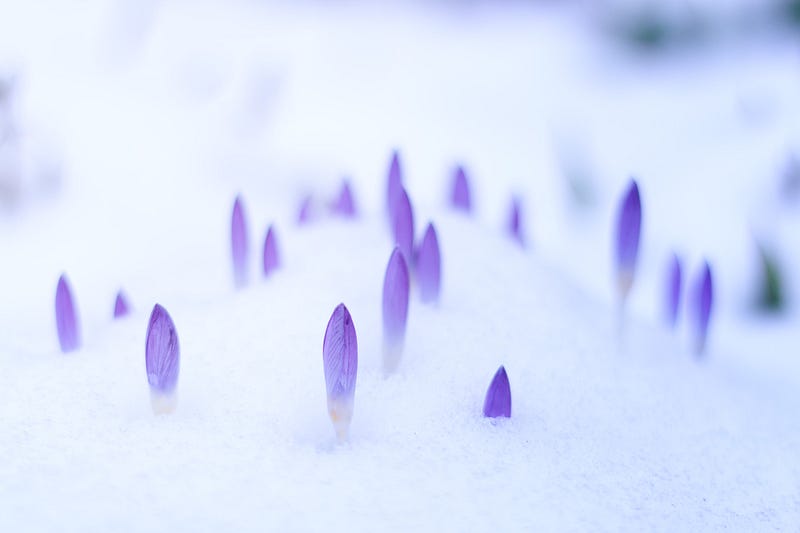
Here and there in the fields Islets of April snow
The Swedish North. Snow.
Even into early May. Archipelago.
When I was little, we saw snow as early as October. Normally, though, this snow did not stay; it white-dusted the world for a day, perhaps two, slushed into a third day with temperatures rising, even brining rain, and by the fourth day: gone was the snow.
It would return a few times in November, but still not with the stamina or desire to stay. But come mid-to-late December: once the snow fell, it fell to stay.
Scanning my childhood, I do not remember a Christmas that was not white (these days, I hear, the seem to occur more often than not).
True, one Christmas almost didn’t make it but the dawn of the 23rd saw snow, and this was the serious stuff, serving notice serious, come to take possession of the land serious.
For the next twenty-four hours it snowed as if there were no tomorrow (which there was, of course — Christmas Eve), only to have this the best Eve of all Eves (the only Christmas-season day that really mattered for young Swedes, the day / evening when Santa came, in person, and brought and handed out presents for one and all) dawn a brilliantly blue sky, a glorious sun (which didn’t rise until about ten o’clock, of course, being just past the winter solstice) and white with a two-foot cover everywhere.
Come to stay.
And stayed it did through the rest of the year — through January, February, through March (though late in the month we would see icicles form along the eves from snow melting in the afternoon sun), and most years also through April.
Yes, April definitely brought spring in the air, but snow lingered. Bare patches of frozen grass here and there but mostly snow, which then day by day withdrew little by little to leave only islets here and there by the end of the month.
Walpurgis Night, the last day of April, sees a thousand bonfires all up and down the country, and where we lived, the snow archipelago still lingered, sometimes even a week or so into May. This was how it was, and how it should be. The Sweden North. I knew of no other Sweden nor any other North.
Once all snow was gone, however, standing too long in one spot you ran the risk of the sub-feet, growing greenery (taking no prisoners) pushing you over (get out of my way).
Summer around the corner.
No night.
No snow.
© Wolfstuff


