
REPRESENTATION
Arab Representation in Video Games
More and more games are embracing Arab characters — here are a few of the most iconic examples
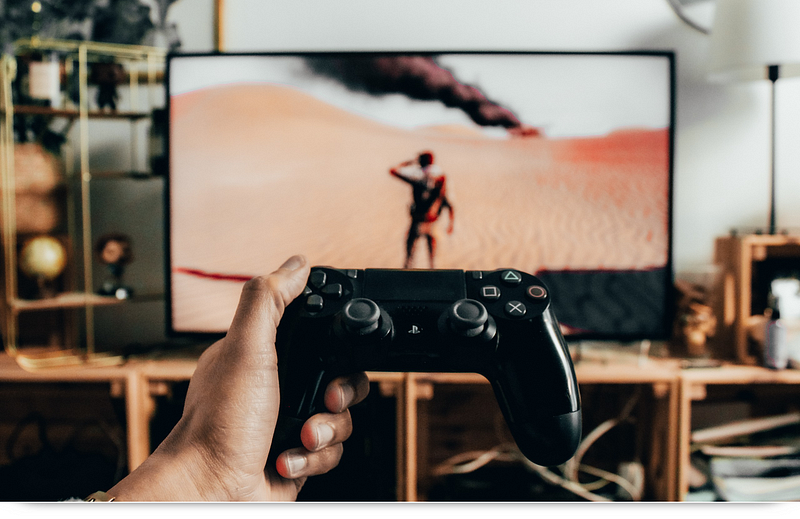
Growing up in the Middle East, video games played a significant role in my life. During the summertime, the temperature outside can reach up to 122°F (50°C). Therefore, almost everybody I knew owned at least one gaming console.
As a kid, I must say it never bothered me that there were no Arab video game characters. Video games were there just to have fun and to enjoy the journey in an alternative universe — so to speak. But today, as games have become a far more pervasive form of entertainment, one cannot ignore the medium’s impact on culture and media at large.
In my late teen years, first-person shooters (FPS) started becoming very popular in the Middle East and among my friends. There were plenty of FPS games before (GoldenEye, Perfect Dark, Doom, Wolfenstein, and many more). But now, we can play against each other on LAN networks. All of a sudden, LAN-Cafés popped up everywhere (and are still popular). I used to spend a lot of time there with my friends playing Counter-Strike and its contemporaries.
In these FPS games, Arabs were mostly depicted as terrorists. My friends and I did not care for that at first. We just wanted to play.
New iterations of my beloved games kept on coming and were always the same — Arabs are the terrorists. It started to get annoying.
بطل
ALTAIR, THE HERO
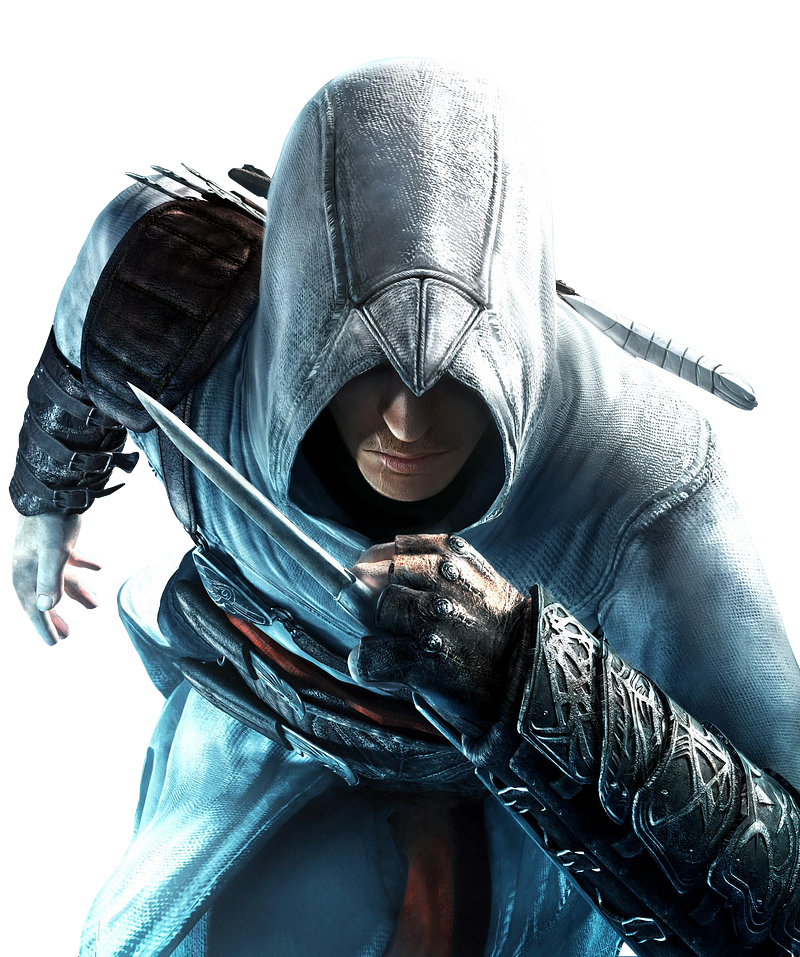
Then suddenly, with the release of the PlayStation 3 and Xbox 360 consoles, an Arab hero was presented to gaming audiences: Altair Ibn La Ahad, the main protagonist in Assassin’s Creed and the founding father of the modern Assassins brotherhood in the AC universe.
I was pleasantly surprised, to say the least. Regardless of the critical reception, I had to buy and play this game. Finally an Arab video game character existed who wasn’t merely a terrorist. Fortunately, Assassin’s Creed became a significant success, spawning many sequels and prequels in subsequent years. It was genuinely heartwarming to hear Arabic spoken within the game’s storyline — it made me feel proud.
To be clear, Altair isn’t the first Arab protagonist in a video game. Multiple early console games featured Arab protagonists, although they never broke into mainstream success (examples include Prince Ali from Beyond Oasis, and Shukran from Arabian Knights). One could even argue that Aladdin was an Arabic protagonist in the famous 16-bit video game/movie tie-in. However, Altair was by far the most iconic character with the most significant impact on broader video game culture. His backstory, legacy, and bloodline all contribute to the Assassin’s Creed universe right up to today. He is truly cemented in video game culture and will never be forgotten. Ubisoft, I’m grateful to you for presenting this character to gamers worldwide.
Altair’s success as a character prompted other developers to introduce Arab characters as well. Faridah Malik from Deus Ex Human Revolution is a good example.
في كل مكان
A UNIVERSE OF HEROES
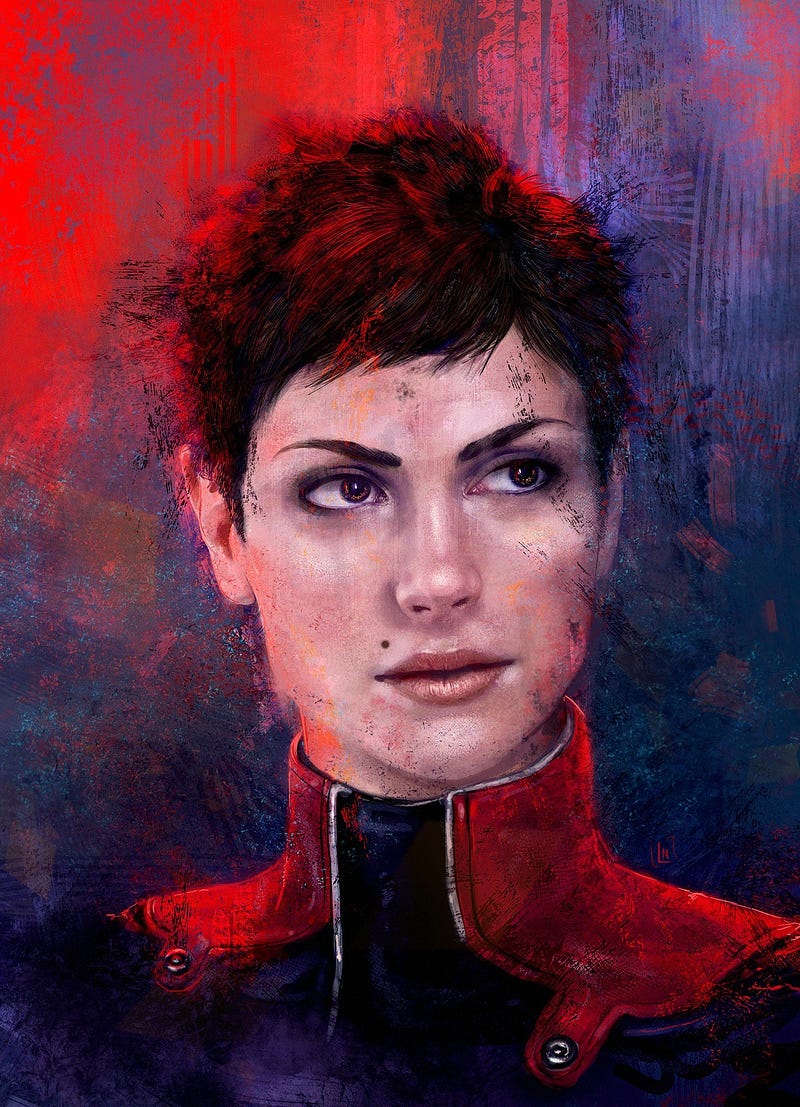
Malik isn’t a playable character; she’s an Arab-American pilot from Michigan. A skilled pilot, Malik can fly anything she gets her hands on. Although she isn’t playable, Malik is a central character with great importance to the story.
Then there’s Tekken and Street Fighter, franchises that also rode on the Assassin’s Creed coattails by introducing their own Arab characters. Tekken 6 introduced Zafina, Tekken 7 welcomed Shaheen, while Street Fighter V brought us Rashid (actually, Street Fighter EX — released in 1996 — also included an Arab character: Pullum Purna). I believe fighting games are a great fit for Arab characters.
I can’t leave BioWare out of the discussion here, either. Games based on the distant future — where humans are now colonising space — are logical places to include characters with a wide range of backgrounds. The Mass Effect series leaned into this idea with characters like Khalisah Al-Jilahni, the famous TV reporter from the franchise. She interviews Shepard at various points in the games, and her news reports are often heard in the background while playing. Another character you may encounter in Mass Effect is David Al Talaqani on Feros (I should note that while David isn’t an Arabic name, Al Talaqani certainly is).
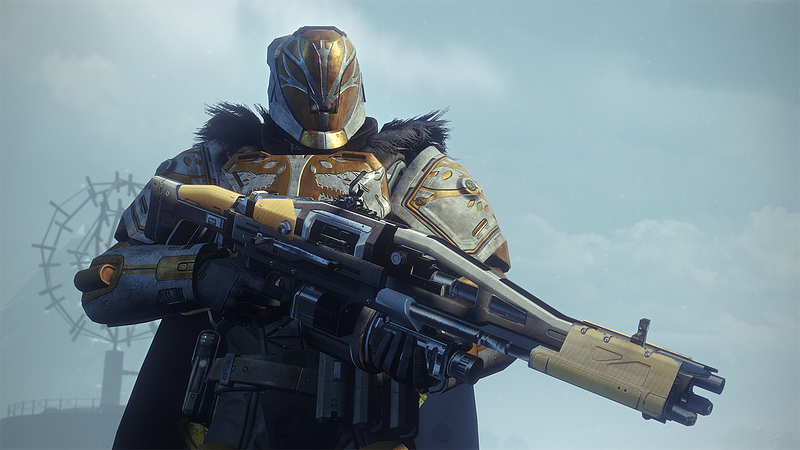
My final example her is Bungie’s Destiny. No, it doesn’t include any Arab characters per se — but a major NCP in the game does have a historically significant Arab name. Lord Saladin is one of the two last surviving Iron Lords. He oversees the Iron Banner PVP event, which occurs monthly, and where only the very strongest can survive.
Historically, Saladin is a Muslim military leader who fought the crusaders and freed the Middle East and North Africa (especially Jerusalem) from said crusaders. He’s of Kurdish ethnicity and is considered a hero by many young Arabs and Muslims. Seeing that his name plays a significant part in a major video game is valuable, and it’s an important act of inclusivity by Bungie.

Many other games are increasingly including Arabs in their rosters now. So far I have discussed the most iconic video games that do this. But it’s great to see the trend continuing and growing. The latest release of Call of Duty: Modern Warfare, for example, includes Farah, a playable protagonist of Arab ethnicity.
It makes sense that we’re seeing the trend continue, with Arabs and Arabic culture being increasingly incorporated into video games. Developers must surely have noticed the growing numbers of gamers in the Arab world, and it therefore makes sense to create characters that are relatable and representative of the audience. There is much discussion around games that fail to do a better job of representation, so I think it’s valuable to call out the games that are doing this well, and to point out that the trend is generally moving in the right direction. Both for other Arab players and myself as well, it’s great to see that we’re finally being represented in video games beyond two-dimensional villains. We’re gamers too, with games being massive part of our lives in many cases.
Sources:
https://foxviewgames.com/top-10-arabian-video-game-characters/
https://masseffect.fandom.com/wiki/Khalisah_al-Jilani
https://tekken.fandom.com/wiki/Shaheen
https://tekken.fandom.com/wiki/Zafina
https://streetfighter.fandom.com/wiki/Rashid
https://streetfighter.fandom.com/wiki/Pullum_Purna
https://www.thegamer.com/destiny-2-lord-saladin-interesting-facts/
https://en.wikipedia.org/wiki/Saladin
ABOUT THE AUTHOR
Walid Al Otaibi -WAO- works at an engineering company in Germany as a Project Manager. He manages mainly sustainable energy projects.
He comes from a multicultural background and is located in Germany since 2003. He is writing about Arab Culture, Multiculturalism, Finance, and Trending topics.


