
April Theme: Sensate
Mark my words, this one’s going to be sensational
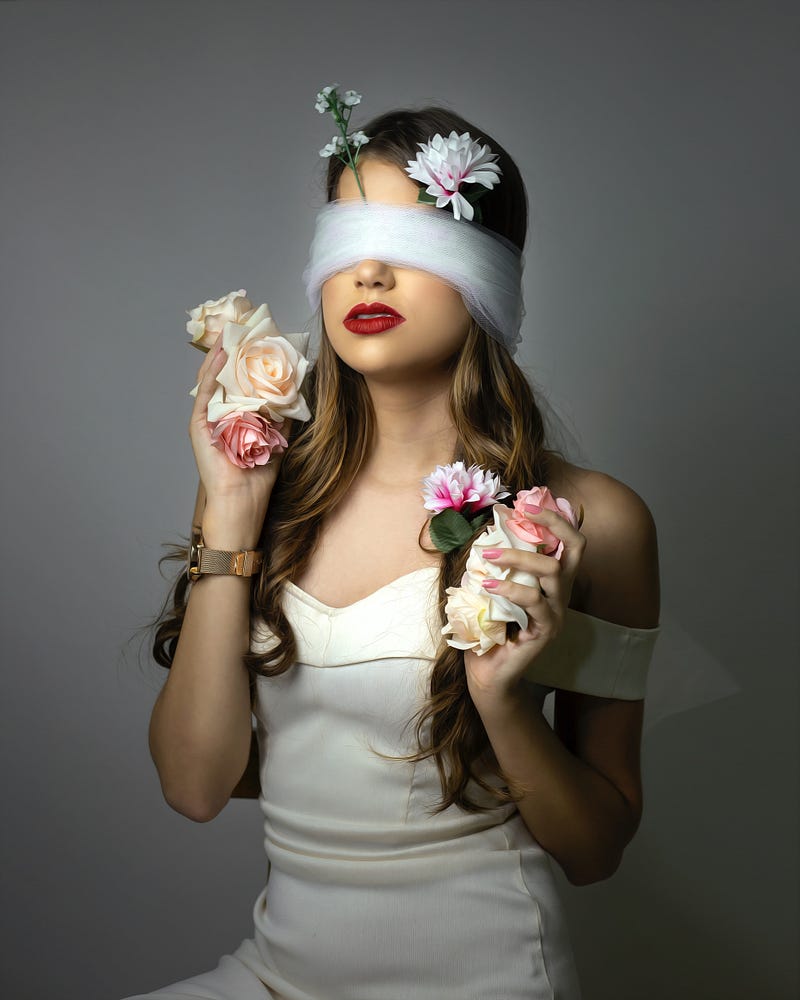
I’m a visually dominated person
During morning meditation, I often find myself distracted by something in my line of sight.
By our tree swaying in the courtyard or the crafty squirrel stealing birdseed, or how the new vine is crawling over the old one.
I find the dappled sunlight through the leaves creates a mesmerizing pattern that turns my mind over to writing. Stirring thoughts and words.
So I shut my eyes.
But this seldom works well enough. I still see too much. The light coming in through my eyelids is enough to shift my focus from the voice to the intensity of the sunlight.
A sudden dimming sends my mind racing with the clouds passing overhead.
Today, I added an eye mask.
It was dark as night. It’s only then that the volume of the person’s voice increased. The texture of their voice became clear and I could hear the subtle background noises of their world.
With the visual volume turned down my next sense could hone in on the person’s words. The meaning behind those words and finally how they were meant to guide my thinking and feelings
As writers, that’s our bread and butter, guiding thoughts and feelings with words. But, I often find myself fixating on sight, describing the world I create in little more than vibrant hues and visible details.
As a visual designer and a filmmaker in a previous life, I understand why. But it strips away too much necessary detail, rendering a scene into a still image.
Last night I came across a quote in the thoroughly brilliant (so far) Wired for Story (pub-supporting link), in which author Lisa Cron offers a revolutionary look at how our brains experience a story.
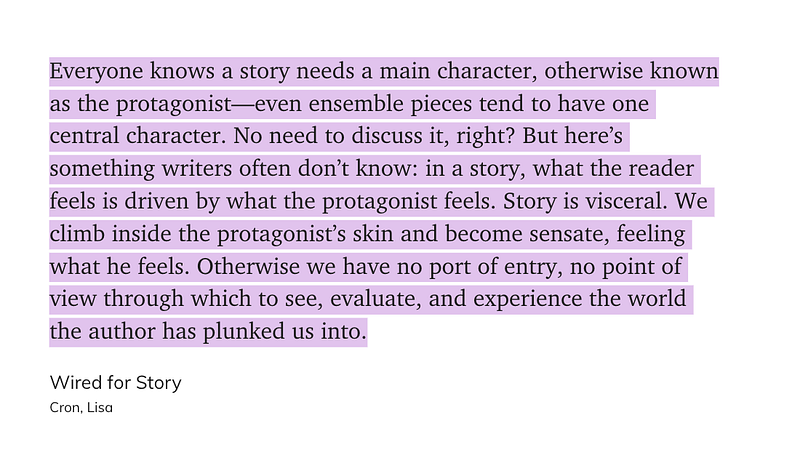
This month we help our readers become sensate beings within the world of our stories.
“We don’t turn to Story to escape reality, we turn to Story to navigate reality.” — Lisa Cron, TEDx Talk
This made me realize that stories are the original virtual reality, they’re simulations that our minds can drop into to learn about scenarios we may experience. We hungrily devour them, triggering our dopamine reward system, searching for survival-protecting insights.
This is provided we buy into the story.
Provided it makes us feel something. Provided the author has given us enough sensory clues we can place ourselves firmly in that moment. Then we can believe and be swept away with the story.
But it’s still a delicate balance, too much input is sensory overload.
We need to use our senses, but find that equilibrium of creating the vivid visceral scene without overpowering the mind of our readers.
Much like the hapless English tourist stepping off a plane in India. I’ve never experienced comparable sensory overload than my three weeks in that wonderful buffet of sight, sound, and smell.
Too intense in the moment but nearly a decade later crystal clear and colorfast.
John Scalzi in his Old Man’s War series introduces a character that has been disembodied. His mind and nervous system removed and wired into a ship waiting to kamikaze for our heroes as they arrive.
A chilling prospect, getting drunk one night and waking up in a box.
Imagine for a moment, being that brain in a box. But by small mercy you still had access to your senses, one by one, they come online and you can experience the world. How would you luxuriate in the information suddenly redefining your world?
If you could see after being in the dark. How much would you notice if sound filtered in after being trapped in lonely silence? How much could you tell from touch if that was all you had? Even smells could paint a picture of the world.
In April we dive into each sense, and use that sense to describe the world around us. We use that sense as a trigger for our story.
Our theme this month is Sensate
“Perceiving or perceived by the senses.”
Because we’re sensate beings, even if our writing (mine especially) is guilty at times of reflecting only the dark inner world of our characters with the minimum brushstrokes of light to paint the scene.
This month let’s examine the sensual experience, soak in our senses and stir up our description to transport a brain in a box into another world.
Our first prompt lands tomorrow, if you’ve signed up for our newsletter you’ll get it in your inbox along with the stories from the last week.