avatarZane Dickens the Instigator

Free AI web copilot to create summaries, insights and extended knowledge, download it at here

1843

Abstract

ce. The writer needs to establish who the character is, what they want and why they want it.</p><p id="9cbb"><b>Next, the story needs an obstacle</b> or a force that prevents the protagonist from achieving their goal easily. Because winning easily is boring — think try/fail cycles. This obstacle could be a person, a situation, or an internal conflict.</p><p id="db66"><b>The protagonist then struggles against this force. </b>This is where the writer can add in the try/fail cycle, where the protagonist tries to overcome the obstacle but fails, tries again and fails again, until they finally succeed or fail for good.</p><p id="6377"><b>The ultimate result of the story could be a win or a loss for the protagonist.</b> This is where the writer needs to make a decision about the outcome of the story. It could be a happy ending or a tragic one, but it should be satisfying for the reader.</p><h1 id="0c3c">So, why is this method useful?</h1><p id="f7b0">It’s because it provides a structure for the writer to follow, which can help them avoid getting lost in their own story.</p><p id="3db3">It’s easy to get excited about a character or an idea and forget to establish the basics of the story. This method ensures that the writer has a clear idea of what their story is about and how it will end.</p><h1 id="7870">Now, let’s talk about how to use this method</h1><p id="fc18">When you’re thinking of starting a story, especially for daily practice, take a few moments to write down two or three story cores. Don’t write the first one. <b>Pick the one that feels the most compelling and write that instead.</b></p><p id="257e">It’s okay to write terrible stories. In fact, it’s necessary to write terrible stories to get to the good ones. Neil Gaiman, among other literary luminaries, shares the theory that creatives need to get their bad

Options

ideas out first before the good ones will show themselves.</p><p id="e360"><b>This method is a way to do just that.</b></p><h2 id="a772">Here are some examples:</h2><p id="4f5e">Sarah is a workaholic executive who wants to take a vacation and relax on a tropical island. But her fear of missing out and constant need for control prevent her from truly enjoying herself. She struggles to let go of her work and live in the moment until she meets a stranger who opens her eyes to a new way of seeing the world.</p><p id="ed35">John is a struggling writer who wants to finish his first novel and get published. But his lack of confidence and fear of rejection hold him back from submitting his manuscript to publishers. He struggles to overcome his insecurities and put himself out there, but ultimately he takes a chance and submits his manuscript.</p><h2 id="88b4">The Story Core is an easy & effective way to structure a story</h2><p id="ecf3">By defining the five essential elements of the story core, writers can create compelling stories that satisfy their readers.</p><p id="7f77">So, take off your pants and get to writing!</p><h2 id="f37a">Each week, we’ll dive into each element in a little more detail and get you to apply that to your weekly story.</h2><h2 id="f92e">Image Gen Trivia</h2><p id="58c3">Don’t forget AI bias. If you want diversity — you have to ask for it.</p><figure id="212b"><img src="https://cdn-images-1.readmedium.com/v2/resize:fit:800/0*kHlEqvkL1Et-6yHk.png"><figcaption><b>Prompt: </b>90s adventure blockbuster family movie poster [ET, Goonies, Stranger Things] of a bunch of <b>diverse</b> kids looking at something magical glowing off the screen. — ar 2:3 (MJ & Me)</figcaption></figure><p id="64b0"><i>I find that a little sad. But, hey the future is what we make of it right?</i></p></article></body>

April Mini-Course: The Core of Every Story

There are five things at the heart of every compelling story.

Prompt: 90s adventure blockbuster family movie poster of a bunch of kids looking at something light, sparkly and magical that is off the bottom of the screen (MJ & Me)

Libby Hawker took off her pants and showed me how to write a compelling story

No, it’s not a reference to rampant nudism or COVID-era meeting comfort, but a method that has revolutionized the writing world.

Her book, Take Off Your Pants!, outlines a simple but effective story structure that every writer should know.

At first glance, the five essential elements of the story core may seem deceptively simple.

However, these are the building blocks of every successful story.

  1. A character
  2. That wants something
  3. But something gets in the way of her getting it easily
  4. So she struggles against that (antagonizing) force
  5. And either wins or loses

It is a very useful tool for writers, especially for those who are struggling to write flash fiction or those who have taken up the 100 Story Challenge.

With the five elements of the story core clearly defined, it becomes easier to write a satisfying story for your reader.

The protagonist is the main character who wants something. It could be a physical object, an emotion, or an experience. The writer needs to establish who the character is, what they want and why they want it.

Next, the story needs an obstacle or a force that prevents the protagonist from achieving their goal easily. Because winning easily is boring — think try/fail cycles. This obstacle could be a person, a situation, or an internal conflict.

The protagonist then struggles against this force. This is where the writer can add in the try/fail cycle, where the protagonist tries to overcome the obstacle but fails, tries again and fails again, until they finally succeed or fail for good.

The ultimate result of the story could be a win or a loss for the protagonist. This is where the writer needs to make a decision about the outcome of the story. It could be a happy ending or a tragic one, but it should be satisfying for the reader.

So, why is this method useful?

It’s because it provides a structure for the writer to follow, which can help them avoid getting lost in their own story.

It’s easy to get excited about a character or an idea and forget to establish the basics of the story. This method ensures that the writer has a clear idea of what their story is about and how it will end.

Now, let’s talk about how to use this method

When you’re thinking of starting a story, especially for daily practice, take a few moments to write down two or three story cores. Don’t write the first one. Pick the one that feels the most compelling and write that instead.

It’s okay to write terrible stories. In fact, it’s necessary to write terrible stories to get to the good ones. Neil Gaiman, among other literary luminaries, shares the theory that creatives need to get their bad ideas out first before the good ones will show themselves.

This method is a way to do just that.

Here are some examples:

Sarah is a workaholic executive who wants to take a vacation and relax on a tropical island. But her fear of missing out and constant need for control prevent her from truly enjoying herself. She struggles to let go of her work and live in the moment until she meets a stranger who opens her eyes to a new way of seeing the world.

John is a struggling writer who wants to finish his first novel and get published. But his lack of confidence and fear of rejection hold him back from submitting his manuscript to publishers. He struggles to overcome his insecurities and put himself out there, but ultimately he takes a chance and submits his manuscript.

The Story Core is an easy & effective way to structure a story

By defining the five essential elements of the story core, writers can create compelling stories that satisfy their readers.

So, take off your pants and get to writing!

Each week, we’ll dive into each element in a little more detail and get you to apply that to your weekly story.

Image Gen Trivia

Don’t forget AI bias. If you want diversity — you have to ask for it.
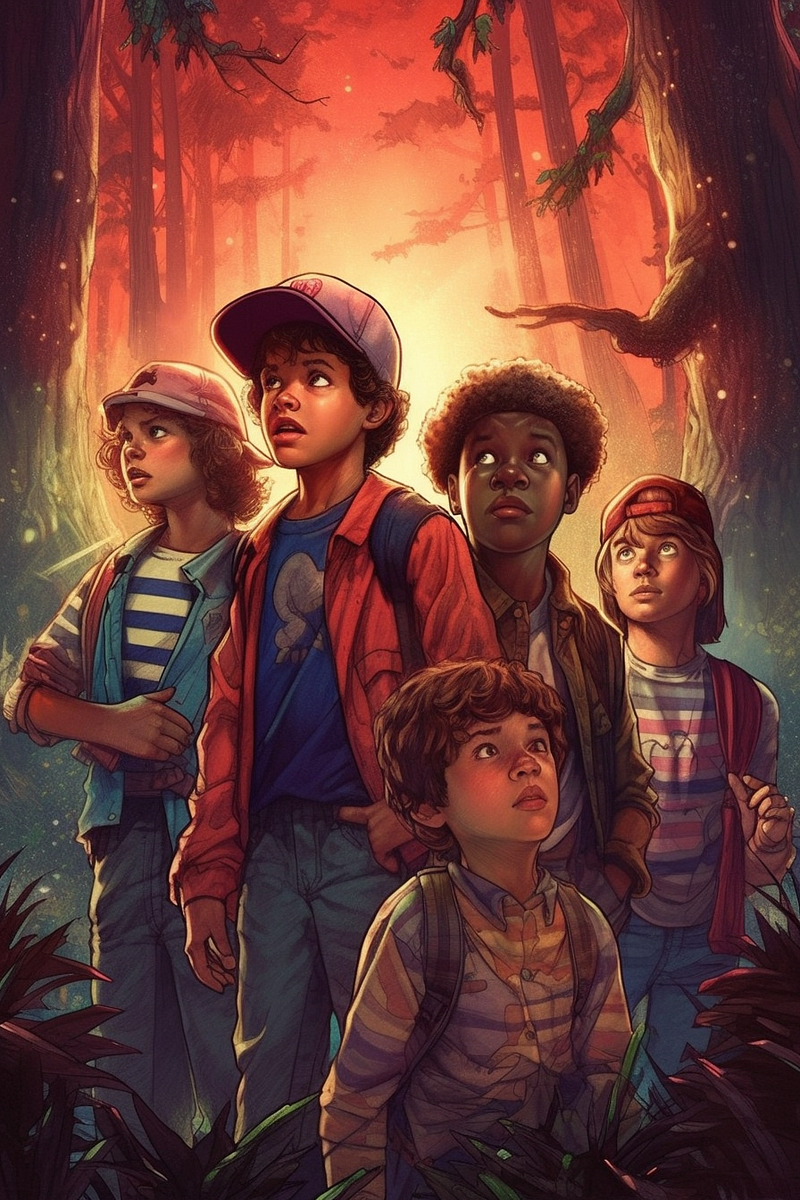
Prompt: 90s adventure blockbuster family movie poster [ET, Goonies, Stranger Things] of a bunch of diverse kids looking at something magical glowing off the screen. — ar 2:3 (MJ & Me)

I find that a little sad. But, hey the future is what we make of it right?

Monthly Theme
Fiction Writing
Writing
Writing Tips
Storytelling
Recommended from ReadMedium