
Apply These Three Techniques to Become a Better Writer and Human Being
Relish the rapture around you
Having written over 100 articles, poems, and short forms on Medium for the last six months since I joined this amazing writing platform, has helped me become a better writer than getting my Masters degree in English because I wrote more consistently.
With over 80 percent of my longer articles being chosen for further distribution after being published in big publications, such as Mind Cafe, Literary Impulse, The Happy Human, Illumination, Blue Insights, The Daily Cuppa, and many others, I have discovered true joy writing, learning from other authors, and getting published.
And while practice, perseverance, and patience make us better at everything we do, I found out that the writing techniques that I have developed in these last six months of consistent writing are not only making me a better writer, but a more caring and observant human being.
Viewing for writing
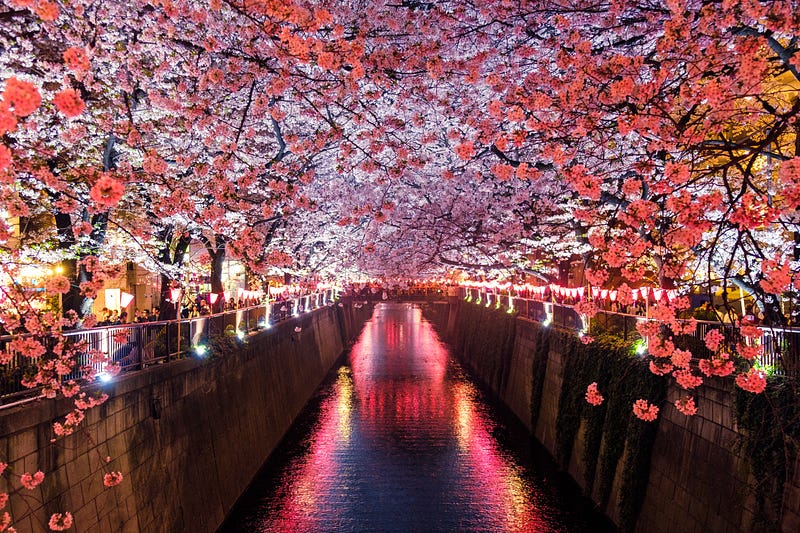
We all view things and think we truly see them. In reality, we don’t see the world around us when we live life as if riding a bullet train speed every day with no time to pause and view things, or experience what the Japanese call hanami, which means flower viewing, especially the cherry blossoms.
Dating back to centuries, the custom of admiring the cherry blossoms is celebrated in Japan, United States, Europe, and other parts of the world. Poets write about the ephemeral nature of beauty, life and death, and impermanence. And yet, what I find fascinating about hanami is the ability to concentrate on life’s smallest details, such as the evanescent beauty of the cherry blossoms.
Good writers not only need to focus on the big picture, but they particularly need to zoom in the microscopic details that will make their story shine brightly and illuminate their readers’ souls. Moreover, viewing nature and the people around us with increased hanami will infuse our writing with unique details that will stick into our readers’ minds long before they had finished reading our work.
For instance, in one of my poems entitled Autumn Bandages published by The Lark and chosen for further distribution, instead of flower viewing, I admired the fall leaves with the curiosity of a child who sees a leaf for the first time. That morning, I was running around my neighborhood after a major storm the previous day, when I noticed a myriad of leaves stuck to the ground like stickers, which is why I stopped my run and looked at the leaves. I also took a picture and noticed all the color variations.
The more I looked at the leaves, the faster the poem was hatching in my mind. The images stacked up like pancakes drenched in maple syrup until I got home and wrote the poem at once — verses landing on my draft like a sticker, band-aid, or a wig. Tightly woven into my memory, into my viewing of them as they kissed the wet sidewalk.
“Stickers of stolen joy peeled from their luscious lives fall leaves kiss the damp ground after a sudden storm mending mankind of every kind.” — Carmen Micsa
You might whistle with admiration right now at my viewing abilities, but not so fast!
Disclaimer: I used to be someone who would miss much bigger details until I became a runner and a poet. Afterwards, my hanami had increased, and unlike the Japanese proverb “dumplings rather than flowers,” meaning that most people are more interested in eating than viewing the flowers, I spent time viewing the insignificant until it became significant. I urge to do the same to increase your writing skills and derive more joy from life.
Noticing details
“Our life experience will equal what we have paid attention to, whether by choice or default.” — Wiliam James
Just like I train to run marathons, we all need to hone in our noticing skills, which are interconnected with our viewing abilities, and yet a little different, since one can view without noticing and notice without viewing, such as seeing something out of the corner of our eyes.
And while noticing things is not as easy as it sounds, we can actually enhance our observation skills by paying more attention. According to Rob Walker, author of The Art of Noticing, who offers 131 ways to spark creativity, find inspiration, and discover joy in the mundane, once in a while, we need to escape from the cult of productivity and efficiency and be more curious.
Walker emphasizes the importance of being enthralled every day, as well as experience the enchanting everyday, and just be alive.
Looking first and noticing second is like coming up with an idea for your new story and then filling in all the details. Therefore, both looking and noticing demand our full attention, as well as interrupting some of the things we are doing at that moment to devote time to notice things that are not easy to spot when we are in a rush.
For instance, looking out the window, according to Sam Anderson, is “a powerful existential tool… The only thing you can do is look. You have no influence over what you will see. Your brain is forced to make drama out of whatever happens to appear. Boring things become strange.”
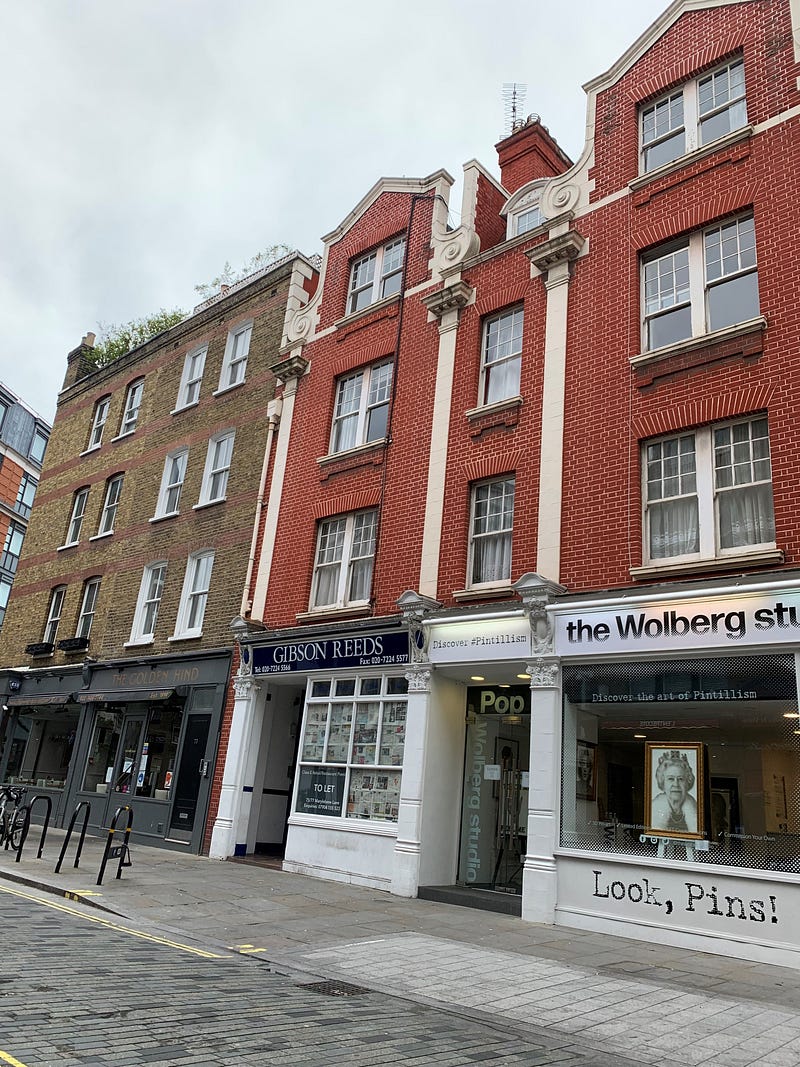
I can totally relate to this no brainer action of looking out the window and the fascinating details and insights we gain as onlookers, because last month I visited London for the first time. One of my favorite pastimes was to look down Marylebone Lane from the second and third floor of my apartment.
I noticed the boisterous young people lining up at the French Restaurant right in front of my apartment, the school children walking towards the tube station in various uniforms, or a young professional hopping on the bikes parked below. My view was always full of new details and some mystery that came from looking and concocting stories about the people, the weather, and the buildings.
One can view without noticing and notice without viewing
Writing with depth and complexity requires some careful looking, noticing, and viewing, which is why we need to practice these skills one glance at a time.
Becoming a poet
I am taking a storytelling class right now with a fantastic teacher and three other writers. They told me that they really admire all the poetic details that I sprinkle on top of my writing and that they would like to do the same.
I was flattered by their praise, but instead of letting my ego take a hold of me, I encouraged them to write poetry so that their prose will become more nuanced and flow more smoothly. I also told them that poetry was not my first choice as a writer, but once I had become a poet, my prose peeled off with more ease, sealing and stamping my creative thoughts, which ultimately brought new joy into my writer’s soul.
The beauty about poetry is that it is a short and tender meditation upon life, nature, love, and death. We can all write in any way that brings us joy by experimenting with new poetic shorter forms, such as haiku, tanka, somonka, and etheree.
Poetry also turns us into better prose writers, as we learn about the brevity of language, as Tania Strauss points out in her article How Studying Poetry Made Me a Better Writer.
View the insignificant until it becomes significant
Isn’t this the essence of writing and living life with joy?
I really think so, which is why I encourage you to explore each of these three techniques until your viewing, noticing, and poetic skills will take your writing to the next level.
If you like this article and want to read more such articles without any restrictions, why not consider becoming a Medium member (if you are not one already) by using my referral link below?
I get a portion from your monthly fee at no extra cost to you and it will go a long way in supporting me as a writer.


