
Apocalypse — Then What?
Living In The Time Of The Endgame
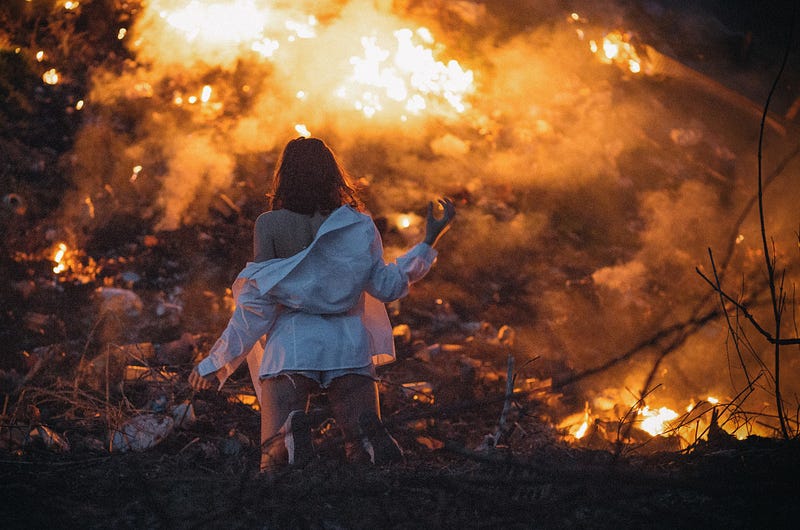
We live in uncertain times. A time of conflict, upheaval, violence, and war. A time of great stress and anxiety where bad news is the norm rather than the exception; where countries suffer internal and external conflicts; where natural disasters strip people of all they hold dear in one fell swoop and where injustice and unimaginable crimes thrive. The list goes on and on and though many would have us hope for a better future, there is little evidence that that will happen
While pondering on these issues, I realized the following:
- At no other time in history has humanity been so technologically advanced yet so full of conflict and violence
- At no other time in history has humanity been so interconnected by advances in telecommunications technology yet been so lonely
- At no other time in history has humanity devised breakthrough advances in medicine and science fuelled by technology yet been so plagued by disease and death
- At no other time in history have the voices for world peace, unity, good, and philanthropy had opportunities to spread their message through technology and modern transport yet still have a world besieged by rape, violence, genocide, murder, hate crime, terrorism and unimaginable crimes against humanity
These and similar thoughts run through my mind when I watch apocalyptic and futuristic movie productions and wonder whether their dire predictions and postulations have some merit. Movies like Alita — Battle Angel, Mortal Engines, Ready Player One, Mad Max, Hunger Games, Divergence, Elysium, Planet of the Apes and so many others predict that after the age of technology, humanity will fall into an era of destruction and desolation with destroyed cities and infrastructure wiped out by war, natural disasters and violence. A scramble for resources will lead to a widening of the gap between rich and poor; greater discrimination on the basis of social class and status and further segregation between the political class and the governed. By control and outright ownership of scarce valuable resources, the rich and powerful privileged class will create and reside in ‘clean’ cities while the poor will remain in the destroyed cities. The inevitable outcome will be rebellion and dissatisfaction, riots and political upheavals and dissent against entrenched inequalities where the poor and disadvantaged rebel against the status quo while the rich and privileged use their influence and the agencies of the state to subjugate the lower classes
These movie predictions are warning us that technological advancements without commensurate investments in human development, peace, unity among people groups, justice, equitable distribution of resources and investments in infrastructure as well as entrenching respect for life, freedoms, laws and proper care and facilities for the vulnerable members of society — the aged, the poor, the disabled, the refugee, the internally displaced and the terminally ill only breeds excessively individualistic cultures and attitudes that prey on others.
If their postulations are true, the world has to work together NOW to prevent the dire consequences they have outlined. Countries need to make the necessary investment in people, health facilities, education, and resource allocation. World leaders also have to foster a language, culture, and attitude of togetherness, cohesiveness, and peaceful co-existence. I believe that these actions if taken today, will ensure more favorable outcomes for the world’s future
By Imabong Faminu
Imabong Faminu is the Founder/Chief Creative Officer at Words’R’Wine — a writing and content creation outfit. Connect with her on Twitter @IFaminu and on LinkedIn


