
Apathetic Echoes: How Indifference Fuels the Spread of Misinformation
I attribute the spread of misinformation in the digital age to apathy, group altruism, and confirmation bias.
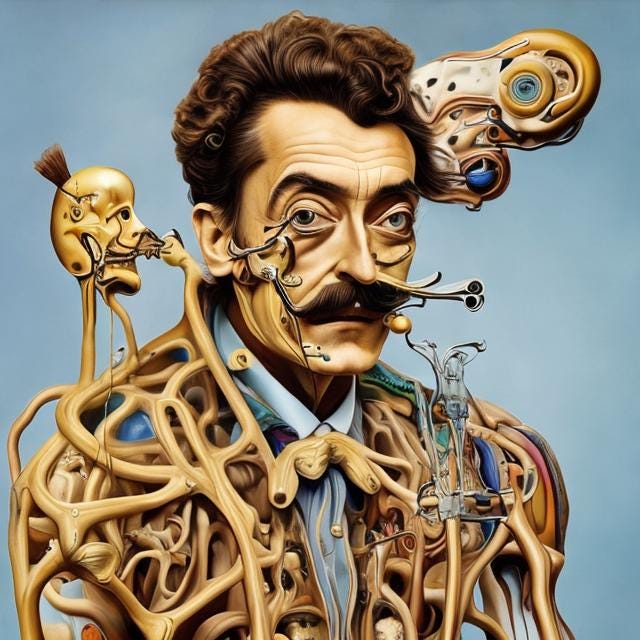
We are moving to a digital age where the ability to create deep fakes using artificial intelligence is in the hands of consumers rather than just certain industries. Deep fake voice recordings of presidents speaking are being used to spread misinformation and sway election polls. Voices are being recreated as well as the likenesses of individuals.
Even five years ago, we were making believable deep fakes of people saying things they didn’t say. Nowadays, we can make a deepfake with even more believable audio and video. Unreal Engine 5 can create games and 3d models so realistic, that they can be confused with reality. These rendering software and artificial intelligence programs will inevitably be used more and more to spread misinformation.
I recently posted a video on Facebook of Will Smith slapping Chris Rock adjacent to a video that looks old of the exact same sequence of events unfolding as if the infamous Oscars slap was a reenactment. A quick Google search would prove that the older-looking video was in fact created after the Oscar’s slap.
The post so far has received 6,000 views and 43 shares. It is misleading, but I wanted to see for myself how easily misinformation can spread. I made a separate post later clarifying that it was fake, but I wanted to see who would do a quick Google search on it.
I found that over 6,000 people so far have viewed the video, but no one has yet to call out the fact that the top video is new and a reenactment. The YouTube video posted above has over 60k views, and only a handful bothered to fact-check the video, quoting that it was created by Dhar Mann.
I attribute this sort of misinformation spreading to apathy, group altruism, and confirmation bias.
It’s a post-truth world.
People don’t fact-check anything. I could demonstrate time and again, but it wouldn’t make people research anything from a Will Smith clip to deep fakes or even manufacturing consent.
Certain people want certain things to be true. Very few care beyond that, which means they won’t take the time to differentiate between fact and fiction; truth be damned.
Social media, despite its many positive aspects, has been associated with inspiring apathy in several ways:
- Information Overload: The constant stream of information and updates on social media platforms can overwhelm individuals. When faced with a barrage of content, people may become apathetic and disengaged from news and important issues, feeling that it’s impossible to keep up or make a difference.
- Filter Bubbles and Echo Chambers: Social media algorithms often show users content that aligns with their existing beliefs and preferences. This can create filter bubbles and echo chambers, where individuals are only exposed to viewpoints and information that confirm their preconceived notions. As a result, people may become apathetic to alternative perspectives and fail to critically engage with different viewpoints.
- Short Attention Spans: Social media encourages brief, attention-grabbing content, such as short videos and catchy headlines. This can contribute to shorter attention spans and a reduced ability to delve deeply into complex issues. Apathy can result when people are unwilling to invest the time and effort required for in-depth understanding.
- Slacktivism: Social media has popularized forms of online activism that require minimal effort, often referred to as “slacktivism.” Actions like sharing a post or signing an online petition may create the illusion of engagement, but they often have limited real-world impact. People may become apathetic, thinking they’ve done their part by clicking a button, when more substantial action is needed.
- Online Disinhibition Effect: The anonymity and detachment of online interactions can lead to the “online disinhibition effect,” where people behave in ways they would not in face-to-face interactions. This can contribute to a lack of empathy and understanding, fostering apathy towards the feelings and concerns of others.
- Comparison and Envy: Social media can encourage individuals to compare their lives with those of others, often portraying an idealized version of reality. This constant comparison can lead to feelings of inadequacy and apathy, as people become disheartened by the perceived unattainability of the lives they see online.
- Viral Sensationalism: Social media can amplify sensational, clickbait-style content that may not always reflect the most critical or important issues. This can result in a trivialization of news and events, leading to apathy regarding more substantial, but less attention-grabbing, subjects.
- Mental Health Effects: The pressures and negativity on social media can negatively impact individuals’ mental health, contributing to feelings of depression and apathy. These mental health challenges can make it difficult for people to engage with the world and its problems.
Apathy can contribute to the spread of misinformation in various ways. Misinformation is false or misleading information that can have harmful consequences, and apathy, which is a lack of interest, concern, or engagement, can create an environment where misinformation can thrive. Here’s how apathy can lead to misinformation:
- Lack of Critical Thinking: Apathy can lead to a lack of critical thinking and skepticism. When people are disengaged and indifferent, they may not put in the effort to question the information they encounter. They may accept information at face value without critically evaluating its accuracy.
- Reduced Fact-Checking: Apathetic individuals are less likely to fact-check the information they come across. Misinformation often spreads because people do not verify the claims they encounter, allowing false information to go unchallenged.
- Reliance on Social Media and Echo Chambers: Apathy can lead people to consume information primarily from social media platforms and within their own echo chambers, where they are exposed to information that aligns with their existing beliefs. This can reinforce existing biases and make people more susceptible to misinformation that aligns with their views.
- Inaction in the Face of Misinformation: Apathetic individuals may not take action to correct or counteract misinformation when they encounter it. They may not report false information or engage in discussions to challenge it, allowing it to persist and spread.
- Low Civic Engagement: Apathy can extend to low civic engagement, such as not participating in elections, community activities, or public discourse. This can result in a lack of accountability for the spread of misinformation, as there may be fewer checks and balances in place.
- Diminished Media Literacy: Apathy can lead to a lack of interest in improving media literacy skills, which are crucial for discerning accurate information from misinformation. Apathetic individuals may not seek out resources or training to become better-informed consumers of information.
- Disengagement from News and Current Events: Apathy can cause people to disengage from news and current events altogether. When individuals are not informed about what is happening in the world, they may be more susceptible to false information that they encounter later, as they lack the context to evaluate it.
- Amplification of Confirmation Bias: Apathy can contribute to people seeking out information that confirms their existing beliefs. This confirmation bias can make them more likely to accept and share information that aligns with their preconceived notions, even if it’s inaccurate.
To counteract the influence of apathy on the spread of misinformation, it is essential to promote critical thinking, media literacy, and civic engagement. Encouraging individuals to actively fact-check information, engage in open and respectful discussions, and stay informed about current events can help mitigate the impact of apathy on the proliferation of misinformation.
What might be more alarming than the spread of misinformation is the actual lack of empathy. To learn of the extent to which people do not care is a saddening discovery. While the war in Palestine wages on, manufacturing consent is taking place. Many People are more concerned over who is correct than what is correct, which is obviously not the humanitarian disaster that is occurring. We have resorted to counteracting violence with violence, ally formation, and geopolitical warfare, rather than diplomacy.
"The tyranny of a prince in an oligarchy is not so dangerous to the public welfare as the apathy of a citizen in democracy." -Montesquieu


