
Anyone can become Master Shifu
The role of deliberate practice in becoming an expert teacher

Mr. James, a middle school math teacher, used the same fractions lesson he developed last year despite having the awareness of certain points of student confusion. He wondered, why did the new students not perform well on a recent test.
Although common practice (i.e., simply participating in an activity repeated over and over) leads to early improvement, the gains soon hit a plateau. Moving past this performance plateau takes ‘a high degree of focused effort to develop specific skills and concepts beyond one’s current abilities’ [1] and that effort is called deliberate practice [2]. Engaging in deliberate practice helps in automatizing the skills such that they become faster and more accurate to perform. This is the key ingredient of becoming an ‘expert’. So, what could have Mr. James done differently to become an expert teacher?
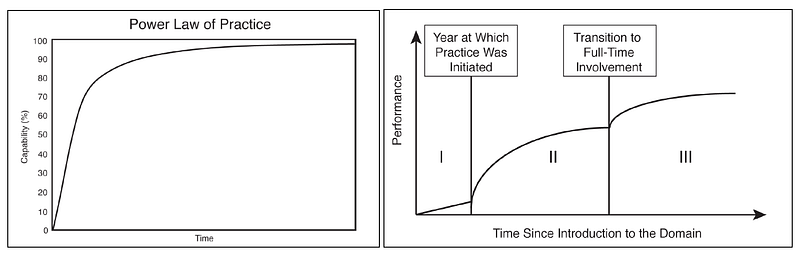
Mr. James could have actively sought student responses where they are excelling or confused. With that assessment, he could have revised the lesson plan, cleared student doubts and made notes for the year ahead. For the next year, he would continue with this improvement process.
As Master Shifu says, “If you don’t train, you will never reach the next level.” Anyone can be an expert by indulging in deliberate practice. Some of the following ways can help teachers get trained in their endeavour to reach the next level:
1. Feedback
“Practice makes ____. Perfect. Nope. Practice makes permanent. Practice with feedback makes perfect.” [1]
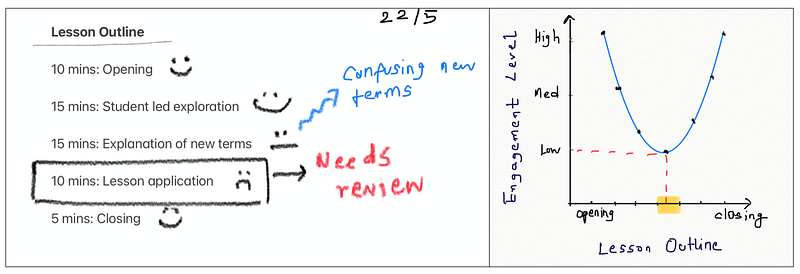
a. Self — Just like Mr. James, you can mark the points of success and confusion in your lesson plans through simple annotations, make an engagement graph or simply video record yourself. Before preparing for the next day, refer to your notes, analyze and revise the plans.
b. Students — Formative assessments are an excellent way to collect feedback on student learning. Student interviews and debrief sessions also yield information on what is working in your teaching.
c. Peers/ seniors — Have your teacher peers and instructional coaches observe you and give feedback. Let them know if you want them to specifically observe some part of your lesson/ unit for focused feedback. The better questions you ask, the better answers you get.
2. Effort
a. Goal setting — Identify the skills you want to improve upon through self-reflection or with the help of a coach. Coaches help in choosing the right tasks by targeting areas of improvement. The task should neither be too easy nor too difficult. Always remember, less is more. Chunk the specific practices you want to improve upon and steadily work on them.
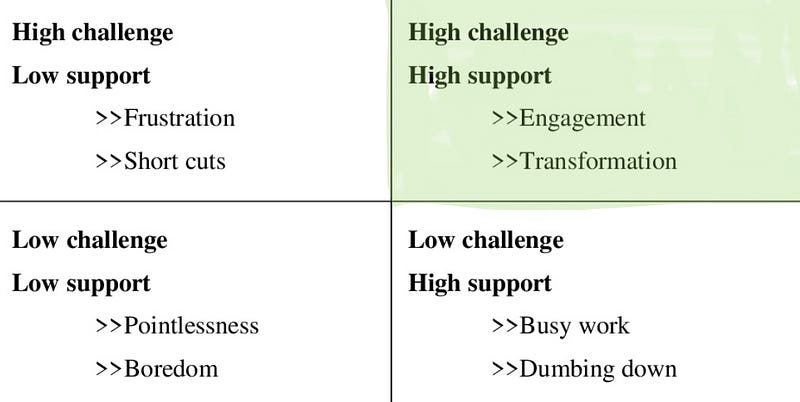
b. Motivation — Deliberate practice is difficult and requires a great deal of effort. It can be hard to engage in. Encouraging a growth mindset [3] can help one in appreciating the process over outcomes.
c. Continuous learning — Read about instructional methodologies that work (or that do not work), reach out to peer teachers/ instructional coaches for help, enroll in professional development programs or try new methods you think that will work for your learners.
This shift is not overnight, but definitely worth all the effort. Master Oogway to Master Shifu- “There are no accidents.” There are only efforts. Are you ready to become an expert teacher?

References:
[2] The Role of Deliberate Practice in the Acquisition of Expert Performance


