
Harry Thompson Says Anxiety Looks Different Than You Think It Does
PDA advocate seeks to clarify misconceptions about anxiety
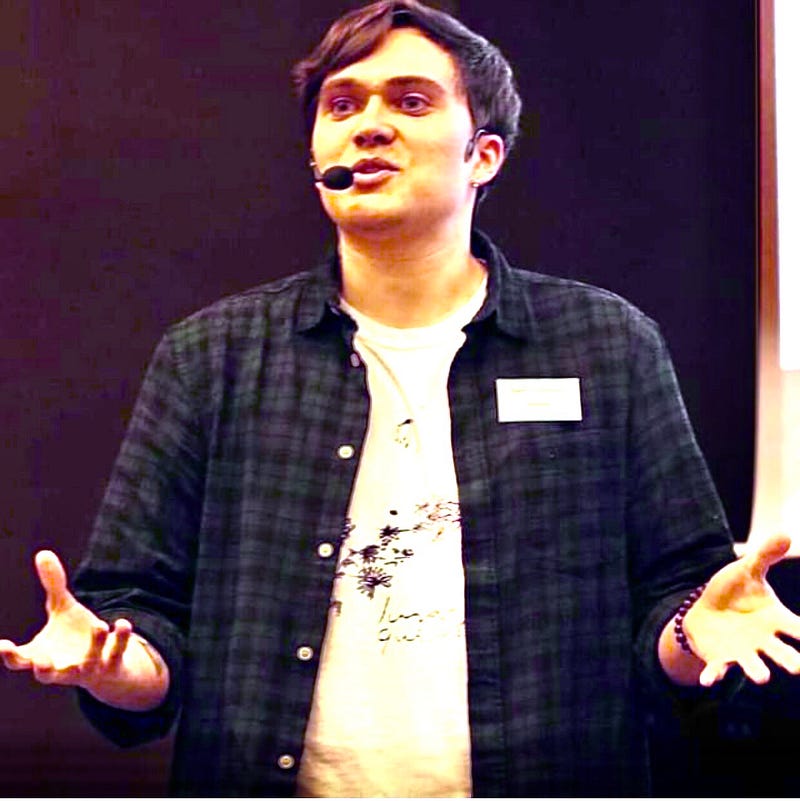
When he was an unruly middle school student, UK autism advocate Harry Thompson says he would often disrupt class by playing the role of a class clown and do cheap tricks just to get attention.
Teachers or his parents never suspected he experienced extreme anxiety in school, says Thompson, a public speaker who tours as “The Naughty Autie” in England and shares his k-12 schooling experience with parents.
Now, the author of PDA Paradox: The Highs and Lows of My Life on a Little-Known Park of the Autism Spectrum educates parents and teachers that a disruptive kid or class clown may be as anxious, if not more, than the fidgety child.
Thompson often speaks at his tour events titled, “Harry Thompson Unscripted & Uncensored,” with UK television newscaster, Melanie Sykes, who was diagnosed with autism at 51 after Harry suggested she get an evaluation.
So the different ways anxiety presents itself is not only an issue for school-age children, Thompsons likes to tells audience members, it is equally an important issue for autistic adults.
Anxiety myths
“Many families tell me their child’s teacher says their child can’t possibly be anxious because they’re always laughing and trying to make the other children laugh,” Thompson says, who is an educational consultant with families. “But this is a huge myth. In fact, these kids are usually more anxious than others, not less.”
Thompson says in his YouTube video, “Anxiety Presents in Multiple Ways,” that many class clowns like he used to be as a middle-schooler often resort to hiding behind a flamboyant persona as a coping mechanism for anxiety.
“Every laugh they elicit from peers validates this mask by proving this is an effective coping strategy. They do everything in their power to shore up the mask and try to hide the anxiety they are feeling in an environment that is stressful.”
The laughs that a neurodiverse class clown seeks from other kids serve another purpose, Thompson says. They alleviate stress from trying to fit into a one-size-fit-all system that is designed as a fit for neurotypical kids.
“The merriment from the other kids is stress relieving,” he says. “Injecting some laughs into a trying situation proves irresistible, but at the same time those who have a flair for comedy can often be masking their anxiety.”
Facilitating Emotional Regulation
Thompson, who has a diagnosis for ADHD, autism and PDA, says he talks about how parents can prevent meltdowns and outbursts of anger in their autistic kids, but he stresses the kids need to learn coping strategies as well.
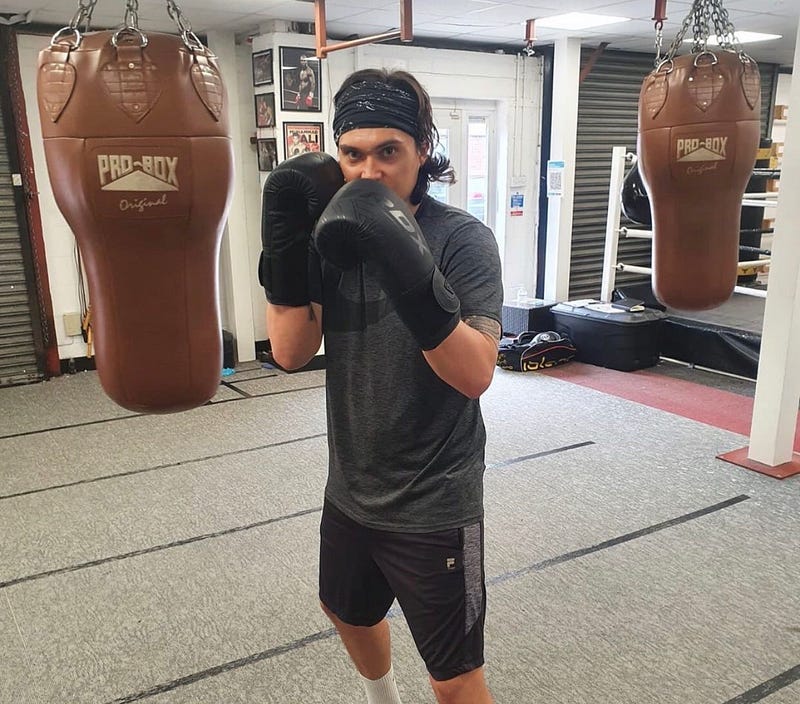
“For me personally, nothing does more to integrate my inner protector into being than boxing,” he says on his Instagram account. “Boxing is great way to harness my aggression and fiery side and to channel it through my body.”
Thompson adds anxiety often comes out as aggression and boxing is great for autistics because of it simulates the tendency or trait that most autistic people share of stimming as a means of coping with everyday stressors.
“Suppression of aggression, meltdowns or any of these inner forces are not the answer — this will only cause them to resurface in unpleasant ways.”
Unfortunately, he says misconceptions regarding anxiety and masking prevents many autistic kids and adults from getting the help they need.
Masking hides signs
Thompson argues that children who mask signs of anxiety are less likely to receive the support they need than those whose anxiety presents itself in more recognizable ways like fidgeting, asking questions or hyperventilating.
In his Instagram account, YouTube videos, memoir and public speaking tour events, he seeks to dispel the stereotypes people have of autistic people and to make people aware of the many variations of autism beyond just Rainman.
“The fact that a lot of people are not aware of masking, including teachers and parents, means there are many anxious children out there whose needs aren’t even visible to people, let alone being provided with some kind of support.”
In another YouTube video, “Is masking self-imposed ABA?” he says school refusal is another sign an autistic student may be masking their anxiety.
School refusal is a two-sided coin
While Thompson says school refusal is a sign of anxiety, he sees a positive sign to when a child doesn’t want to attend school — common with many PDA kids.
“When a parent tells me that their child is school refusing, part of me is impelled to rejoice and to yell good at the top of my lungs. This is to me indicative of self-respect a child has and distancing themselves from a poisonous environment.”
Thompson says this indicates their “autistic authenticity” has a better chance of remaining intact than if they feel like they need mask to survive in an environment where they can’t be themselves — to try to fit in with peers.
Doing fine in school is a sign of anxiety
What he tries to convey in his consulting and talks with parents is that kids are not doing fine in school if they’re masking to fit in with neurotypical peers.
“A hellish nightmare is being concealed by a polished outer layer,” he says. “And that’s not good.”
That’s why he felt compelled to be a class clown when he was in school: it was the only way he knew how to cope with the anxiety he felt being so different.
Hi, I’m Scot and here’s a link to read my most read articles on Medium.
If you are not a Medium member and would like to receive unlimited access to all Medium content, you can sign up here. It’s just $5 a month. I will receive a small referral bonus, at no additional cost to you, when you sign up using my link.