
Anxieties | why are you anxious| over-anxious | anxiety disorders
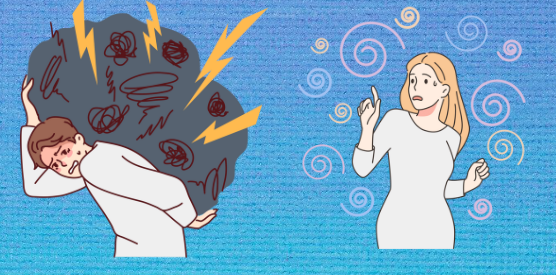
Why do we have Anxieties?
Anxiety is a common emotional response to situations that are perceived as stressful, threatening, or uncertain. It is a feeling of unease or apprehension that can be triggered by a wide range of factors, including external circumstances, internal factors such as negative thoughts, and physical conditions.
What is the difference between being anxious and over anxious?
The terms “anxious” and “over-anxious” are often used interchangeably to describe a feeling of worry or unease.
Anxious generally refers to a feeling of worry or unease that is proportionate to the situation at hand. For example, if you have a job interview, it is normal to feel anxious beforehand.
Anxious feelings are a normal part of the human experience and can serve as a helpful motivator to prepare for a situation.
On the other hand, over-anxious generally refers to a feeling of worry or unease that is excessive or disproportionate to the situation at hand.
People who are over-anxious may experience a constant sense of worry, even in situations that do not warrant it.
How does being over-anxious affect us?
- Physical symptoms: include rapid heartbeat, sweating, shaking, dizziness, nausea, and muscle tension. These symptoms are often the result of the body’s “fight or flight” response, which is triggered by the perceived threat or stress.
- Emotional symptoms: such as feelings of worry, fear, dread, and apprehension. People with anxiety may also experience irritability, restlessness, and difficulty concentrating.
- Interpersonal relationships: may avoid social situations or struggle to form close relationships due to their fear of rejection or negative judgment.
- Work and school performance: can also interfere with concentration, memory, and decision-making.
- Overall quality of life: Can lead to feelings of hopelessness, helplessness or other mental health conditions, such as panic disorder and depression.
Are you mentally ill if you have anxiety?
Everyone has anxiety now and then. But if you are having anxiety that affects your day to day living and makes it difficult to function like the average person, you may have an anxiety disorder.

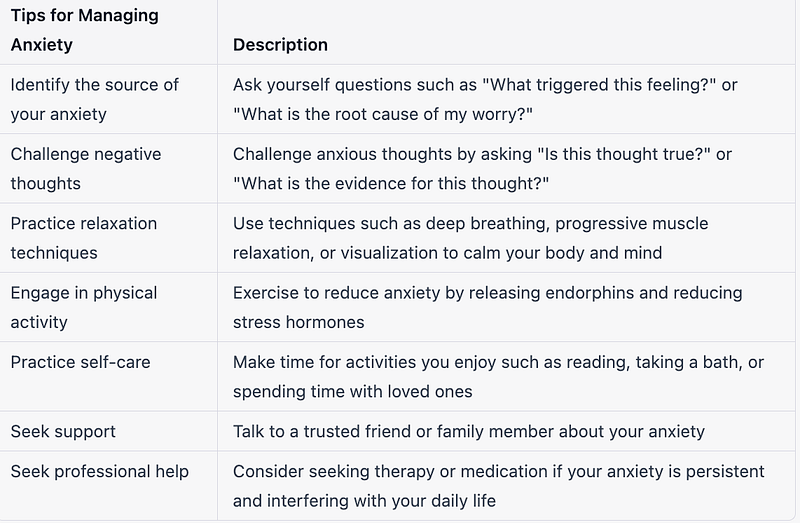
When does it become an anxiety disorder?
If it is causes significant distress and is interfering with day to day life, then it would be classified as a anxiety disorder.
Few types of anxiety disorders:
- Generalized Anxiety Disorder (GAD) is the most common type of anxiety and is characterized by persistent worry and anxiety about everyday activities and events.
- Panic Disorder involves sudden and unexpected panic attacks, which are intense episodes of anxiety accompanied by physical symptoms such as chest pain, heart palpitations, and shortness of breath.
- Social Anxiety Disorder is characterized by intense fear and avoidance of social situations, and can be debilitating for those who suffer from it.
- Obsessive-Compulsive Disorder (OCD) involves recurring thoughts and compulsive behaviors that can be difficult to control.
What are the triggers for anxiety:
Some common triggers include — stress from work or school, relationship problems, financial difficulties, traumatic events, chronic illness, and certain medications or substances. In some cases, there may be no obvious trigger for anxiety, and it may arise seemingly out of nowhere.
But if life is so much easier today compared to ancient times, why are anxiety disorder and depression on the rise?
- Social and economic changes: While material comforts may have improved, modern society is also characterized by increased isolation, competition, and pressure to succeed.
Many people feel disconnected from their communities, overworked, or under constant stress, which can take a toll on their mental health.
2. Environmental factors: Modern lifestyles are often associated with exposure to environmental toxins, poor nutrition, and sedentary habits, which can all have negative effects on mental health.
3. Technology and social media: While technology has made many aspects of life more convenient, it has also introduced new sources of stress and distraction, such as social media addiction, cyberbullying, and constant connectivity.
Note: Mental health issues are complex and multifaceted, and there is no single cause that can explain the rise in anxiety disorder and depression.
What is Serious psychological distress (SPD)?
Serious psychological distress (SPD) is a term used in the field of public health to describe a range of mental health problems that may require clinical intervention.
The Kessler Psychological Distress Scale (K10), which is one of the most commonly used measures of SPD in public health research, was first introduced in 2002.
SPD can manifest in a variety of ways, including: i) Persistent feelings of sadness, ii) Hopelessness, anxiety or fear, iii) Difficulty concentrating or making decisions, iv) Social withdrawal or isolation, v) Changes in appetite, sleep patterns, or energy levels. These symptoms may be accompanied by physical complaints such as headaches or stomach problems.
Use of SPD has has helped to increase awareness of the prevalence and impact of mental health problems in the population, and to inform policies and interventions aimed at reducing the burden of mental illness.
What is Ericksonian hypnotherapy?
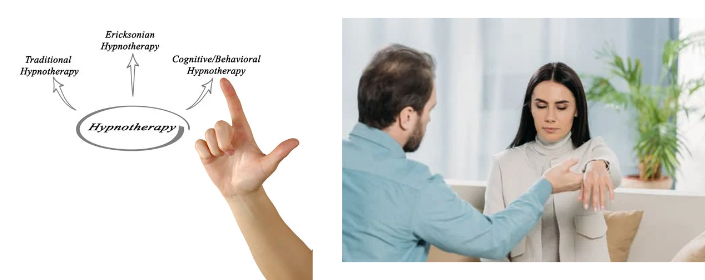
Ericksonian hypnotherapy is a form of hypnosis that emphasizes the importance of the unconscious mind and its potential for healing and growth.
In Ericksonian hypnotherapy, the therapist creates a relaxed and comfortable environment for the client and uses language patterns and metaphors to engage the unconscious mind and promote positive change.
The therapist may also utilize techniques such as trance induction, progressive relaxation, and guided imagery to help the client access deeper levels of consciousness and facilitate healing.
Progressive desensitization is a behavioral therapy technique used to treat phobias and other anxiety disorders. The process involves gradually exposing the individual to the feared object or situation in a safe and controlled manner, while simultaneously teaching relaxation techniques to manage anxiety.
In conclusion, how do we approach anxiety issues?
To effectively address anxiety disorder and its various symptoms, it is recommended to combine self-help resources with the guidance of an experienced anxiety disorder therapist.
Simply managing the symptoms with pills, without identifying and addressing the underlying causes, can lead to recurring struggles with anxiety disorder.
It is essential to identify and address the core causes of anxiety disorder, which include the underlying factors that drive apprehensive behavior. Through this process, individuals can develop effective coping mechanisms and reduce the likelihood of experiencing recurring anxiety symptoms. This can involve therapeutic techniques such as cognitive behavioral therapy, mindfulness-based interventions, or exposure therapy, among others.
Note: My intent with my writings is to promote health awareness. Please always consult a medical physician before you change anything.
Thank you for reading. Your suggestions and comments are greatly appreciated.