
Another Study Warns of the Dangers of Commercial Probiotics
“Yeah, we labeled it as vegetarian, but it’s full of expired meat. Why are you upset?”
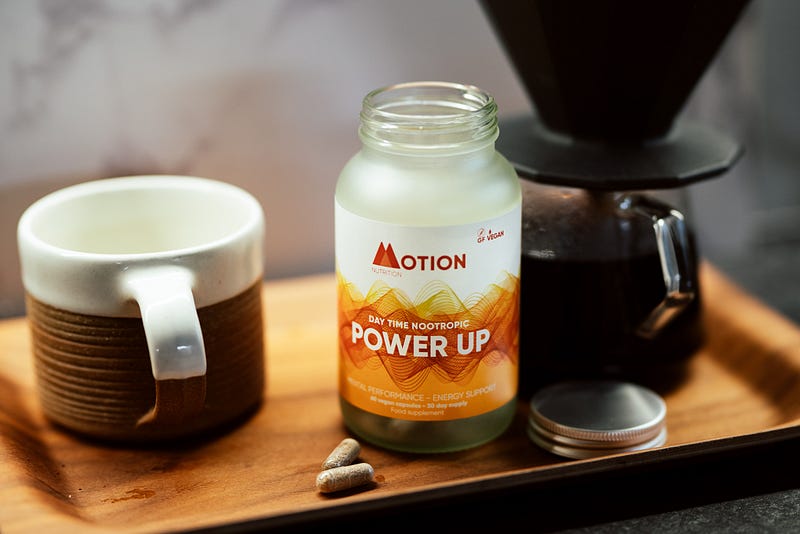
When I was an undergraduate, I fixated on the idea that I probably wasn’t getting enough vitamins, and that the right dietary supplement would solve all of my ills.
(Now, looking back, my problems were likely due to a combination of too much beer, too little sleep, and a definitive lack anything green in my diet. I should have left the vitamins aisle and headed over to grab a large container of spinach.)
These days, my diet is better — but there’s a new craze in the supplement world. Discussions around probiotics, supplements containing live bacteria, are all the rage.
I’ve got some background on this topic. I have a PhD in genetics, focusing on analyzing the gut microbiome. I wrote my thesis on a new method for looking at the activity of this wild, varied combination of bacteria living in our intestinal tract.
There’s still a ton for us to learn about how our gut microbiome helps — or hurts — us. It’s already tricky to consider taking probiotics, adding more bacteria to try and influence a part of our health when we don’t fully understand how it works.
But a recent paper looking at commercial probiotics makes the idea of taking this supplement even more risky. This paper highlights additional risks of commercial probiotics, which aren’t mentioned anywhere on the packaging.
This paper highlighted the following risks with probiotics:
- Strains aren’t identified or labeled
- Antibiotic resistance genes may be present
- You may not even be getting the bacteria listed in the bottle!
Let’s explore why each of these can put you at risk.
For Probiotics, You Need Strain Level Specificity
When it comes to adding anything to your body, you want to make sure that you’re getting exactly what you want.
Many of us enjoy indulging in some ethanol (C2H6O) — it’s the alcohol in any cocktail, wine, or beer that you order. But there are other alcohols, such as methanol (CH3OH).
Methanol and ethanol differ only by a single carbon atom. They’re very similar, from a molecule standpoint! But they have wildly different effects on our body. Methanol, if consumed, causes blindness and death, even at low doses. You don’t want to order a cocktail and find that it contains methanol!
When it comes to bacteria, there are different levels of identification. For a bacterium, we often hear the genus (Escherichia) and species (coli) name. But even in a species, there are different varieties of bacteria, called strains.
Different strains of bacteria have different capabilities, different genes, eat different materials, and may fill different niches. You can’t swap one strain of bacteria for another, interchangeably.
So why don’t most probiotics provide strain information? In the paper linked above, NONE of the seven studied commercial probiotics listed the strains present.

Beware of Antibiotic Resistance Genes
Bacteria love trading genes, just like how humans love trading work-from-home tips.
For humans, animals, and plants, we really only get our genes through vertical transfer — we inherit them from our parents and pass them on to our offspring. If I can drink milk but you’re lactose intolerant, I can’t give you the gene to be able to digest dairy.
Bacteria, on the other hand, also perform horizontal gene transfer. They will regularly make copies of genes and shed the DNA or RNA into their environment. Other bacteria can pick up that genetic material and start expressing it.
This is of special concern when it comes to antibiotic resistance. If one bacterium develops resistance to an antibiotic, it doesn’t even need to reproduce; it can share that gene that encodes for an antibiotic-resistant component into the environment, where other, unrelated bacteria may pick it up.
Introduce one type of bacteria with antibiotic resistance into a diverse population, such as a microbiome, and that resistance may quickly spread throughout the entire community.
In the study, the authors found several of the probiotics had antibiotic resistance genes, and some of the probiotics were even resistant to multiple different antibiotic drugs!
By introducing probiotics into your diet, you could inadvertently make it more difficult to treat a stomach bug or other infection, by teaching your native microbiome to resist the drugs we’d use to fight off an infection.
Are You Getting What You Bought?

Imagine that you adopted a dog — a cute little Corgi. But when you went to pick up your new pooch, you were given a terrier instead!
“They’re both dogs,” the adoption facility tells you. “Why are you complaining?”
Just like how you would want to make sure that you’re given the dog that you intended to adopt, you want to make sure that, when you buy a bunch of probiotic bacteria… you’re getting the same bacterial species you intended to purchase!
From the paper:
In this study, ten isolates genome sequence were obtained [from 7 commercially sold probiotics], and result revealed that the species-level identification of bacterial isolates from J6, P2, and P4 products were inconsistent with their label descriptions.
That means that, for three out of seven different over-the-counter probiotics for sale, the bottles didn’t even contain the species that was listed on the label!
Earlier, I remarked that it’s important to know what strain of bacterium you’re receiving, because different strains can have different activity. But here, you’re not even getting the same species, much less strain! This could be especially concerning when we consider that some genera of bacteria have both probiotic and potentially dangerous species in the same grouping.
There’s a reason why all of these bottles have disclaimers that they aren’t approved by the FDA — but you should at least have basic expectations that you get what’s described on the label, even if that description is incomplete.
The more I’ve studied the microbiome, the more concerned I am about commercially sold probiotics. These bacteria are often selected because they don’t make people sick, rather than because they make people healthy. They don’t usually gain a long-term foothold in the gut, which suggests that they’re not doing anything of note (besides making your feces more expensive). And, similar to taking a vitamin supplement, they’re slapping a Band-aid onto a larger issue.
The better strategy is to improve your diet, and focus more on prebiotics. Prebiotics are foods that contain compounds that the microbes in your gut can eat; this includes starches, fiber, and some fermented compounds (such as kimchi or sauerkraut).
But if you do still consider a commercial probiotic, you may want to seek one that has clear labeling, including labeling of the strain(s) present. And even then, you may want to look for some form of independent verification that, you know, it contains the actual bacteria listed on the label.
Check out the full study here:


