
Another Blow to Russia: High-Ranking General Confirmed Killed in Ukraine
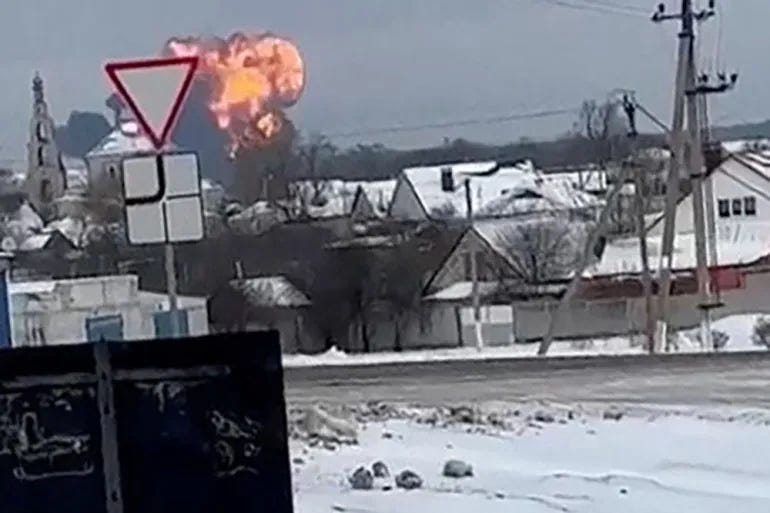
A top Russian air force general was reportedly killed in a Ukrainian strike on the Belbek military airfield in annexed Crimea. This incident, highlighted by various sources, including multiple Russian Telegram channels, signifies not just a tactical loss for Russia but a symbolic defeat that reverberates through the echelons of its military command. The late Lieutenant General Alexander Tatarenko, a commander of significant repute within the Russian Air Force, represented a crucial node in Russia’s military infrastructure in the region. His death, reported amidst a scenario where ten Russian military personnel were “liquidated,” marks a poignant moment in the conflict’s narrative, underlining the escalating stakes and the sophistication of Ukrainian military strategies.
The silence from the Kremlin on this matter speaks volumes, accentuating the clandestine nature of warfare where victories and losses are often shrouded in ambiguity. Yet, the implications of such a high-profile casualty cannot be understated. It punctuates a series of strategic blows to Russia, which has seen a considerable number of its top brass eliminated since the onset of Vladimir Putin’s full-scale invasion of Ukraine in February 2022. This pattern of targeting senior military commanders is not merely incidental but a deliberate tactic by Ukraine to dismantle the command-and-control structures that underpin Russian military operations. The loss of Tatarenko, who had a distinguished career serving across various strategic regions of Russia and was instrumental in commanding Russia’s 14th Air Force and Air Defense Army, is a testament to Ukraine’s resolve and its increasingly effective military prowess.
The response from the Ukrainian side, particularly the air force commander Mykola Oleshchuk’s commendation of his pilots, underscores a morale boost among Ukrainian forces. It reflects a broader strategy of targeting Russian military infrastructure to diminish its operational capabilities and, consequently, its ability to launch strikes against Ukraine. The acknowledgement by Yuriy Ignat, a spokesperson for Ukraine’s air force, of this operation as “usual combat work” of their tactical aviation, alongside the aspiration for more advanced weaponry from partners, delineates a confident posture. It signals Ukraine’s readiness and capability to extend its tactical reach, further stressing the critical need for continued and enhanced support from its allies.
A quick heads-up: Medium’s been tweaking its algorithms and it’s getting trickier for my stories to land in your feed. So, if you enjoy my work, please make some noise! Hit that clap button, light up the highlights, or drop a comment. Every interaction helps keep the stories flowing. Thanks for your support!
The loss of Russian military leadership in the ongoing Ukraine conflict is a testament to the intensity and brutality of the warfare. The fact that Ukrainian sources have identified the deaths of 16 Russian generals and 1 admiral, with Russian sources confirming 7 of these, highlights a significant attrition among the Russian military’s upper echelons. This level of loss among high-ranking officers is exceedingly uncommon in modern military engagements and serves as a stark indicator of the war’s severity and the effectiveness of Ukrainian operations.
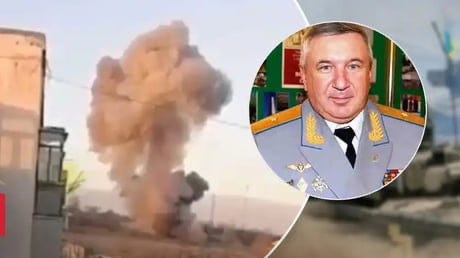
The impact of these losses on Russian military strategy and morale cannot be overstated. Generals play a critical role in formulating strategies, directing operations, and maintaining the cohesion and morale of their troops. Their loss not only disrupts operational capabilities but also has a profound psychological effect on the troops under their command. Each confirmed death of a Russian general represents not only a personal tragedy but also a major operational setback, as the replacement and reorganization of command structures in a conflict zone are fraught with challenges and uncertainties.
Moreover, the loss of such high-ranking officials complicates the Russian military’s command-and-control structure, potentially leading to confusion and a lack of coordination on the battlefield. The adaptation to new leadership can be a turbulent process, especially under the pressures of an active conflict. The situation is further exacerbated by the symbolic value of these losses, which may embolden Ukrainian forces and their allies, reinforcing their resolve and commitment to the conflict. The psychological impact on Russian forces, knowing that their leadership is being directly targeted and effectively neutralized, adds another layer of complexity to the morale and operational efficiency of Russian military operations.
These developments are reflective of a broader strategy by Ukraine to degrade the operational capabilities of the Russian military, targeting not just material assets but also the human capital that is crucial for sustained military operations. By focusing on eliminating key figures within the Russian military hierarchy, Ukraine disrupts the continuity of command, impacts strategic planning, and introduces an element of chaos into the Russian military’s operational playbook. This approach, while requiring precise intelligence and significant risk, has proven to be a pivotal aspect of Ukraine’s defensive and offensive operations, aiming to level the playing field against a numerically superior adversary.
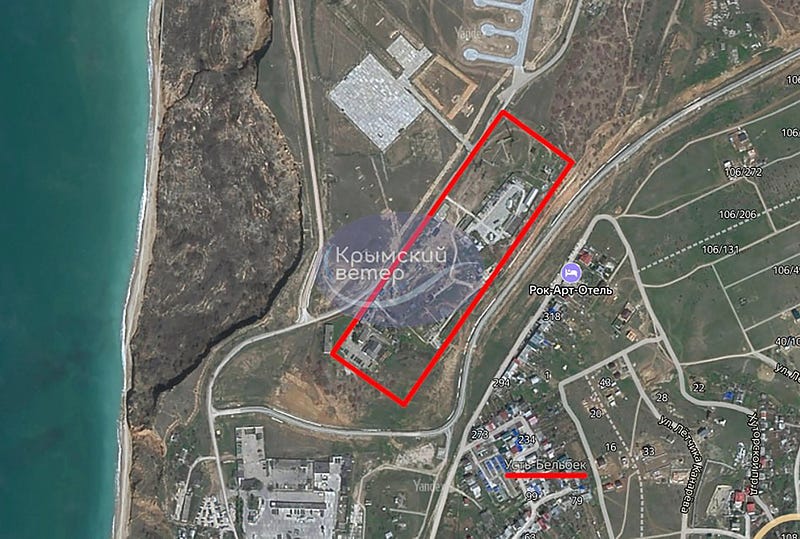
The strategic significance of Crimea as a military and symbolic asset to Russia’s war efforts cannot be overstated. It serves as a pivotal logistical hub and a forward base for projecting power into Ukraine. Thus, the successful Ukrainian strikes within such a critical area not only represent a tactical victory but also serve as a psychological blow to Russian forces, potentially undermining morale and the perceived invulnerability of Russian military assets in annexed territories. The downing of 20 Ukrainian missiles over Crimea and the Black Sea, as claimed by the Russian Defense Ministry, while denying any damage to its aircraft, appears to be a defensive narrative aimed at mitigating the perceived impact of Ukrainian strikes. However, the tangible loss of a high-ranking official and the reported “destruction” of Russia’s infrastructure, as articulated by Ignat, manifest a significant dent in Russia’s military facade.
This episode in the Crimea underscores the evolving dynamics of the Ukraine-Russia conflict, where Ukraine is not only defending its sovereignty but also assertively challenging Russian military dominance in contested regions. The elimination of key military figures like Tatarenko is indicative of Ukraine’s strategic acumen, leveraging intelligence and precision strike capabilities to inflict maximal disruption on Russian military operations. It reflects a broader strategy of attrition, aiming to degrade the adversary’s will and capability to continue the conflict, thereby altering the balance of power in Ukraine’s favor.
The targeted attack on the Belbek military airfield, resulting in the death of Lieutenant General Alexander Tatarenko, is not an isolated incident but a cog in the larger machinery of Ukraine’s strategic operations against Russian military assets. This event is emblematic of Ukraine’s broader strategy to disrupt and degrade Russian military capabilities, a tactic that has seen the country leverage its tactical ingenuity and the support of its allies to remarkable effect. The fallout from such targeted strikes extends beyond the immediate loss of personnel and material; it reverberates through the command structures and strategic planning of the Russian military, inducing a reevaluation of their defensive postures and operational security measures.
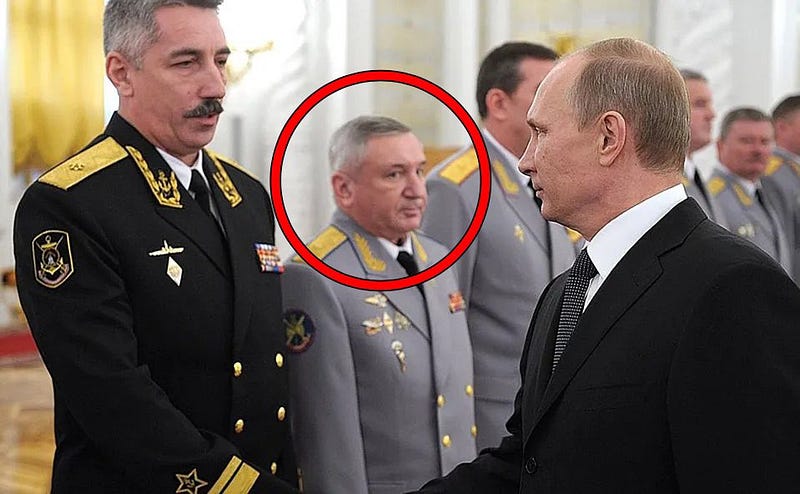
As the war progresses, the loss of senior military commanders for Russia connotes a significant disruption in its operational continuity and strategic planning. Federico Borsari’s insights from the Center for European Policy Analysis shed light on the broader implications of such targeted strikes. By eliminating figures who provide purpose, motivation, and direction, Ukraine not only disrupts Russia’s command-and-control networks but also sows seeds of uncertainty and disarray within its ranks. This approach is emblematic of a deeper, more calculated strategy aimed at degrading the enemy’s ability to sustain coordinated military operations, thus tipping the scales in what remains a fiercely contested and deeply consequential conflict.
In conclusion, the strike on the Belbek airfield and the death of Lieutenant General Alexander Tatarenko symbolize a significant moment in the Ukraine-Russia war. It highlights the strategic depth of Ukraine’s military operations and its capacity to deliver impactful blows to the Russian military’s command-and-control structures. As the conflict progresses, the international community’s role in supporting Ukraine’s defense and sovereignty efforts remains critical. The resilience and strategic ingenuity of Ukrainian forces, exemplified by their recent operations, underscore the evolving nature of this conflict and the potential for Ukraine to assert a more balanced stance against its aggressor.
As we continue to witness the unfolding of this historic conflict, it’s essential to recognize the significance of such strategic operations and their implications for the future of the region. The courage and resolve of Ukrainian forces, supported by a global coalition, offer a beacon of hope for the restoration of peace and the affirmation of sovereignty in the face of unwavering aggression.
We encourage our readers to engage with this topic by clapping for the article and sharing your thoughts in the comments section below. Your insights and interactions are invaluable as we navigate through these complex and challenging times together.