
Anomaly — Outlier Detection
Anomaly detection, also known as outlier detection, is the process of identifying unusual patterns or observations in a dataset that do not conform to an expected behavior. These patterns or observations are known as anomalies, outliers, or exceptions. Anomaly detection is used in a wide range of applications, including fraud detection, intrusion detection, fault detection, and event detection in various domains such as finance, healthcare, and cyber security.
This story was written with the assistance of an AI writing program.
Anomaly detection can be done using various techniques such as statistical methods, machine learning algorithms and data mining. The basic idea behind these techniques is to model the normal behavior of the data and then identify instances that deviate significantly from this model. For example, statistical methods use measures such as mean and standard deviation to define normal behavior, while machine learning algorithms use patterns in the data to learn the normal behavior.
Anomaly detection is an important task in many fields, as it can help identify important events that would otherwise go unnoticed. Examples include detecting fraudulent transactions in finance, detecting intrusions in computer networks, and identifying equipment failures in industrial systems.
Anomaly detection can be used in a variety of situations where it is important to identify unusual or abnormal behavior in a dataset. Some common examples include:
- Fraud detection: Anomaly detection can be used to identify fraudulent transactions in financial systems by identifying patterns or activities that deviate from normal behavior. For example, a bank uses anomaly detection to identify unusual patterns in credit card transactions, such as large purchases made from an unusual location or multiple purchases made in a short period of time. These patterns may indicate fraudulent activity and the bank can then take appropriate action to prevent financial losses.

- Network intrusion detection: Anomaly detection can be used to identify potential security breaches in computer networks by identifying unusual network traffic or activity. For example, a security team uses anomaly detection to identify unusual patterns in network traffic, such as a large number of failed login attempts from a single IP address. This may indicate a potential security breach and the team can then take steps to investigate and respond to the threat.
- Equipment failure detection: Anomaly detection can be used in industrial systems to identify equipment failures by identifying patterns or sensor readings that deviate from normal behavior. For example, a manufacturing company uses anomaly detection to monitor sensor data from its production machines. The system identifies patterns that deviate from normal behavior, such as an unusual increase in temperature or vibration, indicating a potential equipment failure. This can help prevent downtime and improve the efficiency and reliability of the production process.
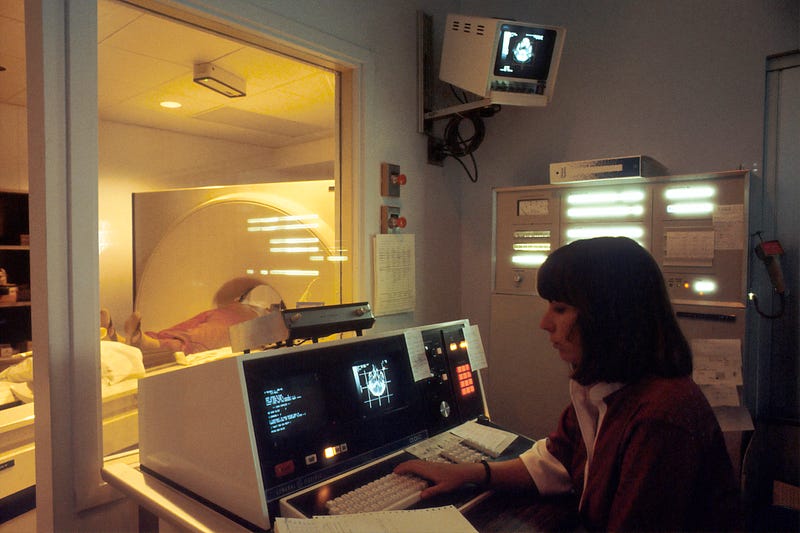
- Medical diagnosis: Anomaly detection can be used in medical imaging to identify unusual patterns or features in images, such as tumors or other abnormalities. For example, a radiologist uses anomaly detection to identify tumors or other abnormalities in medical images. The system can identify unusual patterns or features in the images that deviate from normal behavior, such as an unusual mass or a change in the size of a structure, that may indicate the presence of a tumor.
- Quality control: Anomaly detection can be used in quality control processes to identify patterns or measurements that deviate from normal behavior, indicating a potential problem with the product or process. For example, a food and beverage company uses anomaly detection to monitor the temperature and humidity of its storage facilities. The system can identify patterns that deviate from normal behavior, such as an unusual increase in temperature or humidity, indicating a potential problem with the cooling system or a potential food spoilage.
- Time-series data analysis: Anomaly detection can be used to identify unusual patterns in time-series data, such as stock prices, sensor data, and weather data. For example, it can be used to identify unusual patterns in stock prices or trading volume, such as a sudden spike or drop in the value of a stock. This can help identify potential market trends or events that may have an impact on the stock market. If you are interested in Stock Prices Prediction, check out my article below!
In summary, Anomaly detection is useful when there is a need to identify unusual or abnormal behavior in a dataset, in cases such as fraud detection, intrusion detection, and equipment failure detection.
This was all from my side about Anomaly Detection. If you found this article useful, please give it a clap and share it with others! If you want to learn more about anomaly detection, check out the book below!
Thank you!
This post may contain affiliate links.


