
Animals That Use Electricity
Shocking behaviour you probably never heard of
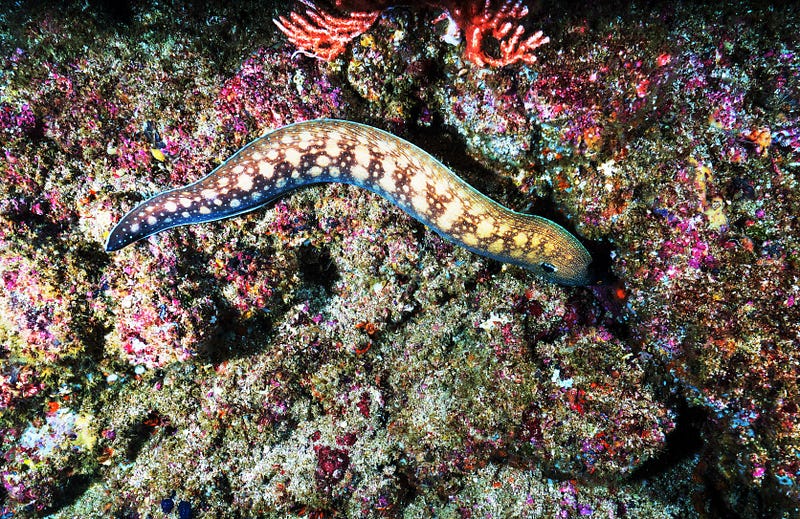
I read with interest recently an article on how electric eels use self generated electric shocks in their hunting techniques, and this sparked me to investigate other species that used this form of electricity The electric eel is not the only animal that uses electricity for hunting and detecting prey. Several other creatures are also capable of delivering electric shocks.
Here’s a detailed article covering the recent research and knowledge on this topic, along with a list of other animals using electricity.
Electric Eels and Their Unique Hunting Strategy
Electric eels, particularly the Volta’s electric eel (Electrophorus voltai), are known for their ability to generate powerful electric shocks, which they use for hunting and self-defence. Recent studies have revealed that these eels can also hunt in groups, a behaviour previously undocumented in electric eels.
This social hunting strategy involves cooperative efforts to corral and shock prey, such as the tiny tetras, enabling the eels to capture multiple fish at once.
The electric eel’s electric discharges are produced by specialised abdominal organs composed of electrocytes, which are controlled by the eel’s brain. These discharges can vary in voltage and are used for navigation, communication, and predation. The Volta’s electric eel, in particular, emits the strongest electric current of any animal on Earth, making it a remarkable example of an animal using electricity for hunting
Other animals using electricity for hunting and defence
In addition to electric eels, several other animals are capable of using electricity for hunting, navigation, communication, and self-defence. Some of the notable examples include:
1. Electric Catfish: These catfish are equipped with specialized electroreceptor organs that allow them to generate and sense electric fields. They use weak electric discharges for navigation and communication, as well as to detect and stun prey 2. Elephantnose Fish: Found in African rivers, elephantnose fish possess a unique elongated snout that contains electroreceptor cells. They use weak electric fields to navigate and communicate, and their electric sense is also employed in prey detection and predator avoidance 3. Platypus: The platypus, a semiaquatic mammal native to Australia, is equipped with electroreceptors in its bill. It uses weak electric fields to detect prey, primarily in murky water where vision is limited
4. Knifefish: This group of fish, to which the electric eel belongs, includes various species capable of generating and sensing electric fields. They use electricity for navigation, communication, and prey detection, with some species also employing electric discharges for defence These examples demonstrate the diverse ways in which animals have evolved to utilise electricity for various ecological functions, highlighting the convergent evolution of electrogenic and electroreceptive abilities across different taxa.
The use of electricity for hunting and defence is a fascinating adaptation found in various animal species. While electric eels are renowned for their ability to deliver powerful electric shocks, they are not alone in harnessing electricity for survival. From cooperative group hunting in electric eels to the electroreceptive abilities of other fish and mammals, the natural world is replete with examples of organisms using electricity in ingenious ways.
Tthe recent discovery of social hunting behaviour in electric eels has expanded our understanding of how animals use electricity for predation, shedding light on the remarkable diversity of electrogenic and electroreceptive adaptations across the animal kingdom.
So, what are the benefits and drawbacks of using electricity for hunting and detecting prey?
The use of electricity for hunting and detecting prey offers various benefits and drawbacks for animals. Here are the key points:
Benefits of using electricity for hunting and detecting prey
1. Enhanced prey detection: Animals such as electric eels, electric catfish, and sharks can detect the electric fields generated by their prey, allowing them to locate and capture hidden or camouflaged organisms
2. Communication and navigation: Electricity is used by some animals for communication and navigation. For instance, the electric eel can emit electric discharges to communicate with conspecifics and navigate its environment
3. Defence mechanism: Electric shocks can serve as a defence mechanism against predators. For example, the electric catfish is capable of producing strong electric discharges to deter potential threats
Drawbacks of using electricity for hunting and detecting prey
1. Energy Expenditure: Generating and maintaining electric organs and associated sensory systems can be energetically costly for animals. This energy investment may limit other physiological processes such as growth and reproduction. 2. Limited Range and Environment-Specific Adaptations: The effectiveness of electric sensing may be limited to certain environments, such as freshwater ecosystems for many electrogenic and electroreceptive species. This specialization may restrict the habitat range of these animals
3. Predator Avoidance: While electric fields can be used to detect prey, some organisms may have evolved to minimize their electric signatures to avoid detection by electroreceptive predators, creating a co-evolutionary arms race between hunters and their prey
The use of electricity for hunting and detecting prey provides animals with unique advantages, such as enhanced prey detection and communication, but it also comes with associated costs, including energy expenditure and environmental limitations.
Sources:


