
And Then She Grew Old
And life would never be the same again

She was the girl everybody loved. Men wanted her. Women wanted to be like her.
She was medium height, with brilliant eyes, long, luxurious hair, and an hourglass figure. Her skin was smooth and flawless. She moved with elegance and grace.
She danced, sang, laughed a lot, and charmed everyone she met. People flocked around her like bees drawn to honey.
And then she grew old.
And suddenly, people started to treat her differently.
It was subtle at first. If she wasn’t paying attention she would have easily missed the signs.
Some people started calling her “Ma’am.”
It was uncomfortable at first, but she grew used to it.
“Being called ma’am is okay,” people told her, “It’s a polite way of addressing a woman.” But something about it didn’t feel right to her.
So she suppressed her feelings about it and moved on.
She’s told her skin isn’t flawless
One day she’s invited to a home party where a beauty consultant sells cosmetics. The consultant is talking about her company’s latest face cream.
“Try this,” the beauty consultant offers.
“Oh, I don’t need face cream. I have good skin.”
“Yes, you do need it,” says the consultant. “Your skin is already showing signs of aging.”
This feels like a slap in the face. But she stifles her feelings and moves on. Yet, she refuses to purchase the product. She’s too young for that. She’s not even thirty.
She gets a gray hair
On a sunny morning, she is brushing her beautiful, luxurious hair and recoils in shock.
“What is that?” she says out loud. She pulls out her first silver hair.
It must be a fluke. But gradually more silver hairs appear to her dismay.
Soon after she notices signs of crow’s feet around her eyes. She’s only in her 30s.
Yet people still flock to her. She is charming, warm and sweet. She entertains her friends on the piano. Everyone thinks she’s cool that she can play all the songs that streaming for her friends.
Her partner adores her. Other men wish they had a woman like her. Life is good.
She hears the dreaded phrase in her 40s
Now she is 40. She feels great. She focuses on her job and family. Old age is still far away in the distant future. It’s never going to happen to her.
She complains about her “annoying mother” to her friends. “Mom is so annoying. She repeats the same old stories over and over again. Mom thinks she knows everything, and is always giving unneeded advice. And she keeps bugging us to help her with her computer.”
Meanwhile, she still loves the way she can turn heads. Men still flirt with her everywhere she goes.
And then someone asks her if she’s in her thirties. “No, older than that.’ “Wow, you look great for your age.”
She stops in her tracks. “What?”
Now she’s 50
Once she gets to 50 she’s bombarded with ads on social media for skin formulas, botox, and before and after photos. It’s depressing.
AARP is trying to get her to join, reminding her of her advancing age.
She’s excited when someone says her daughter looks like her younger sister.
“I’ve still got it,” she thinks.
But now her body is betraying her. She reaches menopause. Hot flashes become the norm. Pounds start accumulating. She’s not burning calories off as easily anymore.
Yet she fights her advancing age. She refuses to give in. She works hard, working out. She tries to look her best.
One day she becomes a grandmother. She’s thrilled. But people now see her differently. She’s Grandma now.
Often she shakes her head when she sees how all the older men around her are still considered attractive and relevant.
Her heart sinks when she notices a younger woman admiring her husband, and he’s enjoying the attention.
Hey, she’s been working out. She watches her weight and dresses nicely. Why doesn’t her husband flirt with her anymore?
She still looks good, doesn’t she?
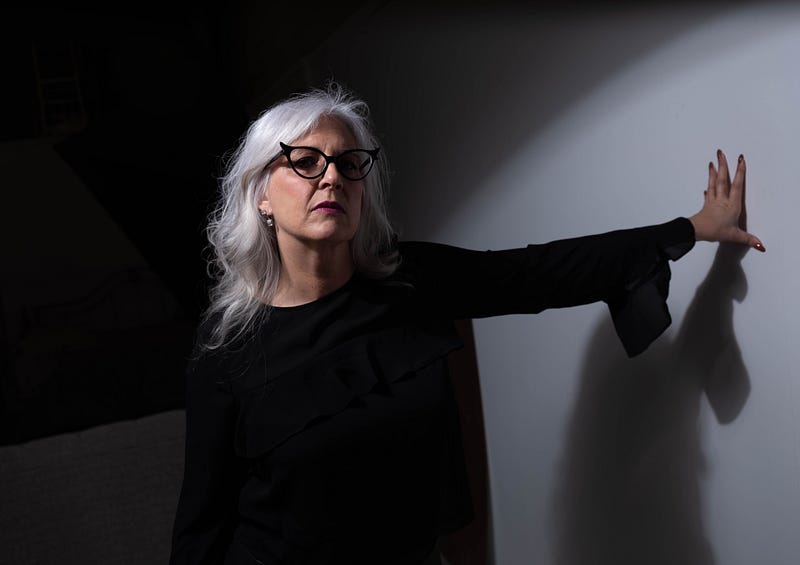
The 60s arrive
Now she’s in her 60s. Men don’t even look at her anymore. They walk right past her and talk to the younger women.
She still has a charming personality and she’s a smart woman. If they would stop thinking of her as the grandma, they might even notice it. But they don’t bother to get to know her.
Her husband doesn’t treat her as well anymore. He takes her for granted. And no one ever thinks her daughter is her younger sister anymore. It’s obvious to everyone that she is the older one.
She attends a high school reunion. Everyone looks old now. Some of her friends from high school have died.
She hates going to the doctor now. It’s always bad news. Her doctor shows her a chart. “Ten percent of people with your blood work will have a heart attack within ten years.”
How delightful.
She looks in the mirror and her face has changed. It’s hard to recognize herself anymore. And makeup can’t hide the fact that she is old.
People treat her differently
Now people call her “Sweetie” and “Dearie.”
They automatically assume she doesn’t know things. They explain things to her like a child.
“Here, let me help you with that,” they say. No one asks her opinion on a subject. She feels invisible.
Deep inside, she still feels young. She doesn’t get it.
One day she is at a party and there’s a piano. All the young people are playing it. Here’s her opportunity to shine again. People love the way she plays.
Everyone gathers around and plays songs.
A woman she doesn’t know well says, “Let grandma have a turn.”
When she plays some songs that her friends used to love, the younger people don’t know the songs. No one pays attention to her. She’s become irrelevant. And they have no idea who the Beatles are or who Madonna is. And they don’t care.
One day she realizes that the average life span is around 77 years. Her heart sinks when she realizes that’s not so far away.
One day she hears someone complaining about her annoying mother who is so boring, out of it, and needy. They’re thinking about persuading her to sell her home and putting her into assisted living.
“How old is your Mom ?” she asks.
And then she finds out that the annoying Mom is someone exactly her age.
And then she grew old
Once she was a beautiful and talented young woman. People flocked to her like bees to honey.
The world was her oyster. She could have everything she wanted.
And then she grew old.


