
And So I Write…
For most people, 20/20 represents hindsight or perfect vision. For me, it was a release date. In 1998, I was a thirty-four year old masonry contractor with a beautiful family and much to be grateful for. In that same year, I celebrated my good fortune with a drug-fueled crime spree, earning a total of 22 years in prison. Notice I said earned. I did terrible things.
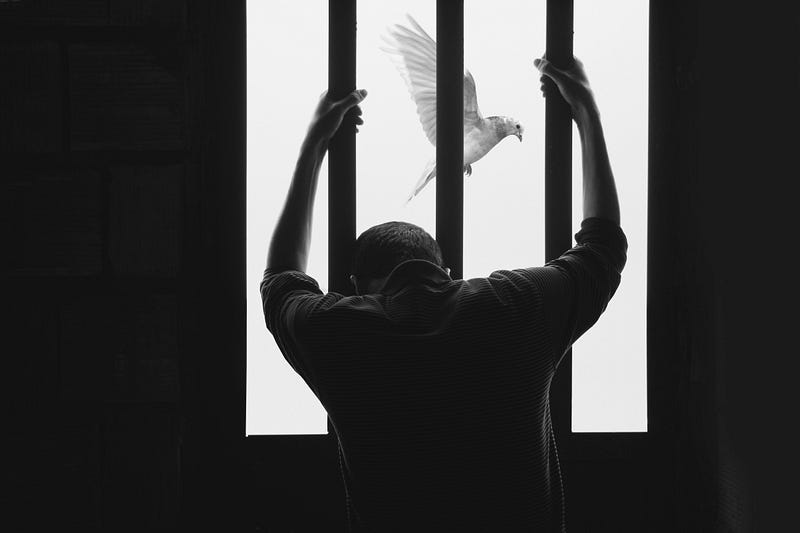
But all of this sounds like a good opening for a Million Little Pieces , only with punctuation this time.And genuine shame. Or, maybe even the beginning of a Where We Write essay- a jailhouse poet’s rendition of hell, smell, and cell relevance. It’s not, I won’t, and you’re welcome.
When I began this essay, I was committed to the idea that I could explain the why and avoid the where as much as possible. This proved more difficult than I had anticipated, especially after culling through years of poems and short stories and discovering a pattern of themes and moods that were an intricately woven tapestry of time and place. Consider: Prison is where I held my grandchildren for the first time. It’s where I grieved the death of both parents, a half sister, and many extended family members. It’s where I met my first best friend and smoked my last cigarette- all while watching my children grow up and my hairline recede. Life on life’s terms you say? Maybe. A wellspring of human experience? Well…
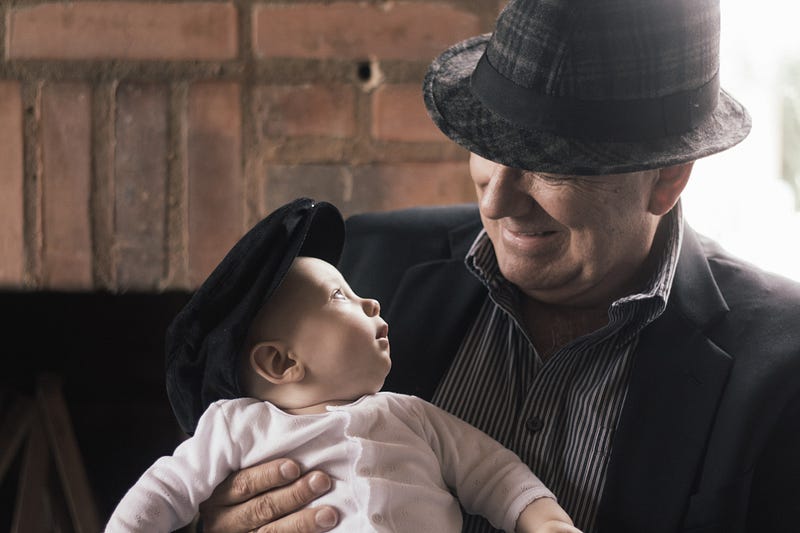
To be sure, life is a succession of journeys, some toward peace and fulfillment, and others, not so much. Twenty-three years ago, I committed social suicide and did not die. This, as you might guess, was the beginning of a journey fraught with questions. There were the obvious ones at first: What will happen to my family ? What will I do for twenty-two years? How will I ever live with this shame? And then, as the universe so often dictates, life happened, I adapted, and the questions changed.
I began working with a mental health program teaching developmentally-disabled inmates basic social skills. My immediate supervisor was a woman 10 or 12 years older than me, a horticultural specialist, and a delightful soul. We grew very close during that 6 year period, but she was married, and Platonic kept Romantic in check. She made me feel good. Her smile, her generous compliments on my work, and her genuine interest in me- all while battling breast cancer- taught me much about life and love.
And then I was transferred. Understanding the Buddhist concept of impermanence on an intellectual level is one thing; being robbed of closure is another. I received a card a few days later. The name and return address were fictitious, but that old hippy handwriting on the red envelope was unmistakable! She wrote in the card that I was loved and missed, and not to worry, “because it’s not over”. That was over 10 years ago, and I haven’t heard from her since.

Izzy Knotover
I opened your letter with the clever name and false address, hands trembling at the idea of you and me. Of you and him. Of we?
Read and reread that letter sits while I imagine pink ribbons and your single breast, that long grey braid on your back like a rope, and the odds of me climbing it to your beautiful mind. Would you mind?
Cliche time: Two ships passing on a May-December wind? Or maybe I could set you free and see if you come back? Sigh. Already done that. …
Poetry has worn many hats in my life. It’s been a teacher, a preacher, and at times, a very patient therapist. I waited for over a year before removing that red envelope from my locker door. Izzy was born a few days later. Fortunately, Inspiration hasn’t always waited for my permission, but she does seem to know when I need a session.
I’ve recently finished rereading a wonderful novel by Ruth Ozeki entitled: A Tale For the Time Being. Her protagonist is a charming young Japanese-American girl named Nao who is bullied in school when she and her family are forced to return to Japan. The children treat her horribly, and for the second time, I found myself wanting to save her. Of course, the life lines we cast always have two ends…
Patty
Her last name was Lucas and we exercised our poetic ignorance with the likes of Mucas, Pucas, and worse, each day a new verse of torment for a girl born poor. I ride that bus over and over in my cell where, for sixteen years, I’ve thrown spitballs and gum at a little girl who never cried. And I cry. I weep with a Karma Chameleon that is my muse, my Virgil, my guide back to a place where Patty is precious and her feet are mine to wash. …

As a writer with minimal publishing success (an anthology, a few local news letters, and the now defunct Poetry Motel), I am hardly an expert on the myriad hardships that professionals face. In prison, I had no deadlines. My rent was not contingent on my success, nor was I in desperate need of a retreat to escape smart phones or the not-so-smart habits and hobbies that landed me there. And while I did have an abundance of time that most writers wish they had, I didn’t always consider it a gift! I do however, feel very fortunate that at some point in the beginning of my sentence, I had made a decision to face the new questions whose very answers would pave my way: Are you going to feel sorry for yourself and waste a third of your life swimming in a pool of self-pity? Will you wallow in your guilt and shame until they become so toxic that you cannot look at your past, live in the present, or even hope for a future? I would like to believe that my resounding NO to these and many other questions has been at least part of the impetus for picking up a pen and getting to work on my broken self.
Over two decades later, I realize that poetry couldn’t save Nao, and it probably won’t save Patty or me, but, there is a very real catharsis gleaned by seeing oneself naked on the page. It becomes a sort of confession- or better yet, a declaration that shouts: I SEE ME!, and, I AM FINALLY OKAY WITH YOU SEEING ME. Imperfect, unexceptional, but hopeful. And so I write…