Ancient Wisdom And The Use Of Sounds To Attain Greater Health, Wealth And Prosperity
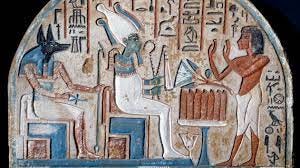
Ancient wisdom often encompasses a profound understanding of the interconnectedness between the human experience and the universe. Throughout history, various cultures have explored the power of sound as a means to attain greater health, wealth, and prosperity. The utilization of sound for such purposes is deeply rooted in spiritual practices and philosophical beliefs that date back thousands of years.
In many ancient traditions, sound is considered a fundamental aspect of creation itself. The idea that the universe was brought into existence through sound vibrations is a concept found in Hindu, Buddhist, and other ancient philosophies. This belief forms the basis of practices such as mantra chanting, where specific sounds or phrases are repeated to invoke positive energies and align oneself with the natural order of the cosmos.
One of the most well-known examples of sound’s significance in ancient wisdom is the practice of mantra meditation in Hinduism and Buddhism. Mantras are sacred sounds, syllables, or phrases that are repeated either silently or aloud during meditation. Each mantra is believed to have a unique vibrational quality that can affect the mind, body, and spirit in profound ways. By chanting mantras, practitioners aim to focus the mind, cultivate inner peace, and tap into higher states of consciousness.

Similarly, sound healing has been a prevalent practice in various ancient cultures, including those of ancient Egypt, Greece, China, and indigenous societies around the world. These cultures believed that certain frequencies and vibrations could influence the body’s energy systems and promote healing on physical, emotional, and spiritual levels. Instruments such as drums, singing bowls, bells, and rattles were used to produce specific tones and rhythms believed to restore balance and harmony within the individual and the community.
In addition to meditation and healing, sound has also been employed in ancient rituals and ceremonies aimed at attracting abundance and prosperity. For instance, in traditional Chinese culture, the practice of feng shui involves the strategic placement of objects and the use of specific sounds to harmonize the flow of energy, known as qi, within a space. By creating a balanced and auspicious environment, practitioners seek to invite prosperity and good fortune into their lives.
Furthermore, in the realm of music, ancient civilizations often attributed mystical properties to certain musical scales and compositions. The ancient Greeks, for example, believed that music could influence the emotions and behaviors of individuals, as well as the broader social fabric of society. Similarly, the ancient Egyptians revered music as a divine art form capable of invoking spiritual transformation and connecting humanity to the divine.
In conclusion, the use of sound as a tool for attaining greater health, wealth, and prosperity is a central theme in many ancient wisdom traditions. Whether through mantra chanting, sound healing, or musical practices, these cultures recognized the profound impact that sound vibrations can have on the human experience. By harnessing the power of sound, individuals in ancient times sought to align themselves with the natural rhythms of the universe and cultivate a deeper sense of well-being and abundance in their lives.
Also the healing aspect of certain sounds they used
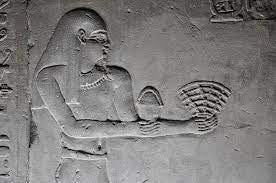
The healing aspect of certain sounds used in ancient practices is a fascinating aspect of their belief systems and rituals. Many ancient cultures believed that specific frequencies and vibrations had the power to restore balance and promote well-being in the body, mind, and spirit. Here are some examples of how sound was utilized for healing purposes in various ancient traditions:
- Tibetan Singing Bowls: Originating from Tibetan Buddhist traditions, singing bowls are believed to produce frequencies that synchronize brain waves and induce a meditative state. The vibrations emitted by these bowls are thought to promote relaxation, reduce stress, and facilitate healing on physical, emotional, and spiritual levels.
- Drumming: In indigenous cultures around the world, drumming has been used for healing and ceremonial purposes for millennia. The rhythmic beating of drums is believed to entrain brain waves, promoting a state of deep relaxation and meditation. Drumming circles have also been used as a form of group therapy, fostering community bonding and emotional catharsis.
- Didgeridoo: Used by Aboriginal Australians for thousands of years, the didgeridoo is a wind instrument believed to produce therapeutic vibrations that resonate throughout the body. Playing the didgeridoo is thought to strengthen the respiratory system, improve circulation, and alleviate sleep apnea and snoring.
- Chanting and Mantras: Chanting sacred sounds, syllables, or phrases is a prevalent practice in many spiritual traditions. The vibrations produced by chanting are believed to stimulate the body’s energy centers (chakras) and promote healing and spiritual transformation. Mantras, in particular, are thought to have specific vibrational qualities that can purify the mind, body, and spirit.
- Sound Baths: Sound baths involve immersing oneself in a sonic environment created by various instruments, such as singing bowls, gongs, and chimes. Participants lie down and allow the vibrations to wash over them, promoting deep relaxation, stress relief, and energetic rebalancing.
- Gregorian Chants: Developed in medieval Europe, Gregorian chants are a form of sacred music characterized by monophonic vocal melodies sung in Latin. The harmonious resonance of these chants is believed to induce a state of tranquility, reduce anxiety, and promote spiritual contemplation.
- Qigong Sound Healing: In traditional Chinese medicine and Qigong practices, specific vocalizations and sounds are used to stimulate the body’s energy meridians and promote healing. Each sound corresponds to a different organ system and is believed to facilitate the release of stagnant energy and emotional blockages.
Overall, the healing aspect of sound in ancient traditions underscores the profound belief in the interconnectedness between sound, energy, and consciousness. By harnessing the power of sound vibrations, ancient cultures sought to restore harmony within individuals and communities, fostering holistic health and well-being.
Stephen Vincent