Ancient Origins: Human Sports Unveiled
Determining the exact origins of the first sport invented by humans is a fascinating journey into the annals of human history, yet it’s a task shrouded in ambiguity due to the scarcity of concrete evidence and the vast expanse of time separating us from our ancient ancestors. However, by piecing together archaeological findings, anthropological studies, and historical records, we can glean insights into the earliest forms of physical activity that laid the foundation for the sports we know today.
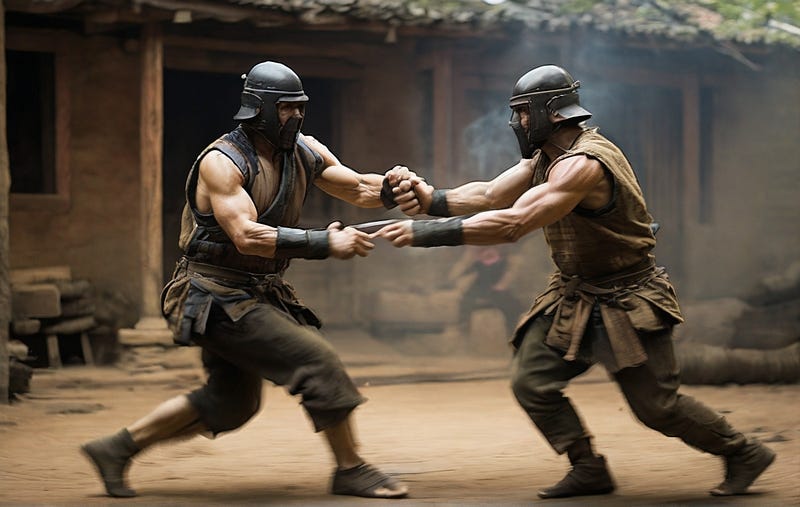
One of the earliest forms of physical competition that likely qualifies as a sport is wrestling. The practice of grappling and wrestling has roots that extend deep into prehistory, with evidence of its existence found in cave paintings, ancient texts, and archaeological sites spanning cultures and continents. Hand-to-hand combat was not only a practical skill for survival but also a means of establishing dominance, settling disputes, and showcasing physical prowess. Over time, wrestling evolved from a raw expression of strength and skill into a structured and ritualized sport, with rules, techniques, and competitions organized in various societies worldwide.
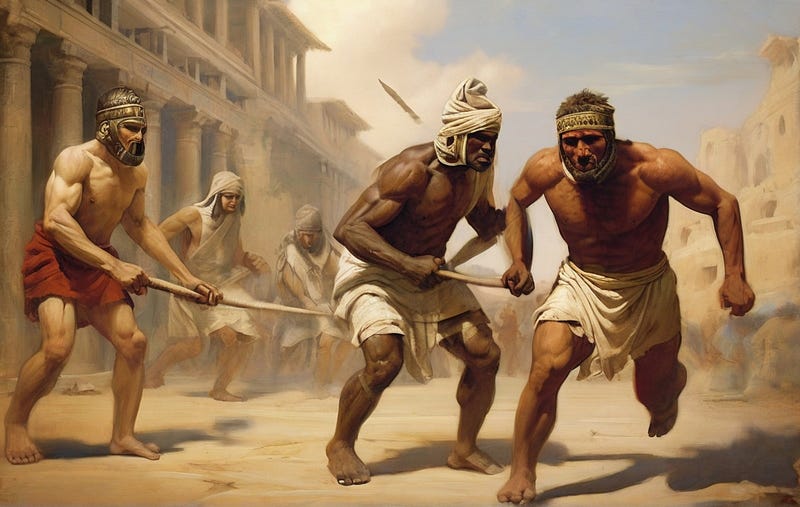
Another activity with ancient origins that can be considered a precursor to modern sports is running. Running was essential for early humans for hunting, gathering, and escaping predators, making it one of the most fundamental forms of physical activity. While the earliest evidence of organized foot races dates back to ancient Egypt and Mesopotamia, it’s likely that informal running competitions took place among early humans as part of their daily routines and social interactions. Over time, running evolved into formalized races and athletic competitions, culminating in the establishment of prestigious events like the Olympic Games in ancient Greece.
In addition to wrestling and running, various forms of target practice, such as spear throwing and stone throwing, may have also served as early forms of sport. These activities were not only practical for hunting and warfare but also provided opportunities for individuals to demonstrate their accuracy, strength, and agility in a competitive context. As societies became more organized and specialized, target practice evolved into structured competitions with rules, scoring systems, and ceremonial elements.
The development of sports was closely intertwined with the social, cultural, and technological advancements of human societies. In ancient civilizations such as Egypt, Greece, Rome, and China, sports played a central role in religious rituals, military training, and civic life. The Olympic Games, founded in ancient Greece in the 8th century BCE, became a symbol of athletic excellence and international cooperation, bringing together athletes from different city-states to compete in various events.
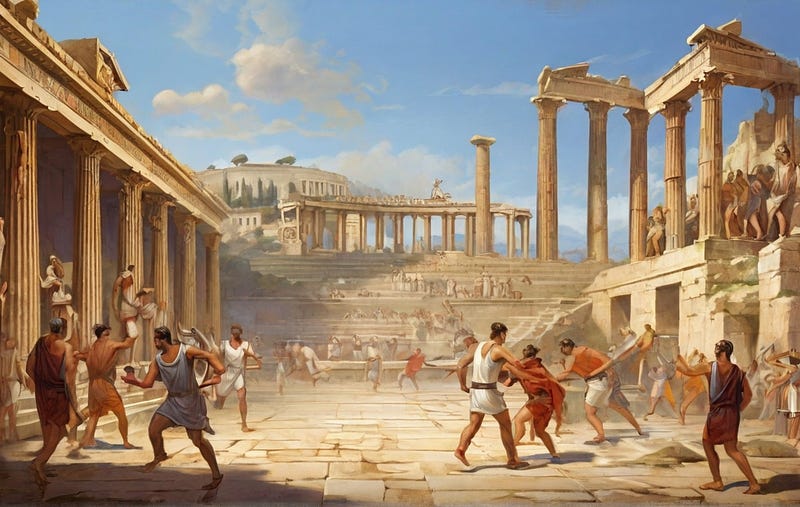
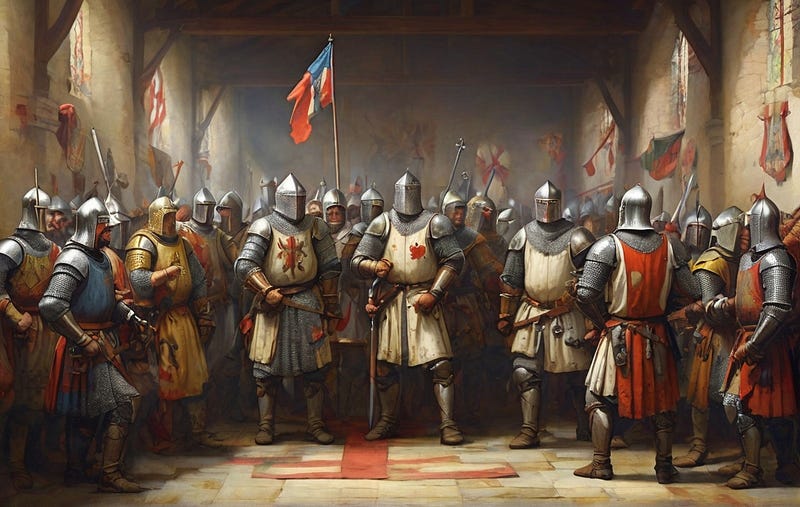
Throughout history, sports have continued to evolve and diversify, reflecting changes in society, technology, and culture. From the gladiatorial contests of ancient Rome to the medieval tournaments of Europe to the modern sporting spectacles of the 21st century, sports have remained a constant feature of human civilization, providing entertainment, inspiration, and a sense of belonging to millions of people around the world.
While the exact origins of the first sport invented by humans may never be definitively known, activities such as wrestling, running, and target practice likely served as early forms of physical competition and recreation in ancient times. These activities laid the groundwork for the diverse array of sports and athletic pursuits that continue to captivate and inspire us today, reminding us of the enduring power of human athleticism, ingenuity, and spirit.