
Anchoring Anxiety With the 54321 Grounding Technique
A Simple Way To Stay Focussed

You’ve probably heard about this technique many times before. Maybe it’s been hammered down by thousands of people who swear by it — I’m not going to be the one to claim that it works wonders.
However, it does work for many people, and that’s good enough for me.
I’m a crisis responder. I spend a certain number of hours per week, talking and texting to people who are vulnerable and are in immediate need of mental health support. I talk a person through a hot moment into a cooler one, and I’d like to think I do a decent enough job at it.
I’m obviously not perfect, but along the way, I’ve learned bits and pieces from the mental health trade, and on top of that, I’m doing an intensive graduate program that includes a clinical practicum.
I’m having to act like Neo from the Matrix, dodging bullets that represent compassion fatigue, using a patchwork of self-care strategies to move away just in time, missing the bullets by mere inches.
In the meantime, I’d like to explore the 54321 grounding technique with you.
We often get overwhelmed by the sheer number of tasks that we have looming before us. We face it as if it were an unsteady skyscraper, ready to fall over and crash onto our heads.
However, the reality is that our deadlines are not going to consume us. Sure, they take up a lot of our time and effort, but at the end of the day, a missed deadline is not going to kill you. Your project is not going to eat you.
Jobs are replaceable. Bosses are replaceable. Schools are transferrable. Learning styles can be shifted and adjusted. The sun will continue shining. Life goes on, even if we are too paralyzed to move.

Even though we might be emotionally exhausted, this stress can manifest its way onto our bodies, creeping up on our shoulders, and onto our necks. Maybe you have butterflies in your stomach and you’re restless, fidgeting like there was no tomorrow.
Fret not. It can be terrifying to go through the rollercoaster of a panic or anxiety attack. However, we can take steps to make them less likely to appear and with enough practice, it becomes easier to do, until it is natural to us.
There are many strategies online on how to potentially relax. It’s hit-and-miss, where some things work some of the time, and other things don’t work all the time, not unless we hit hundreds of prerequisites.
Sometimes it takes us a bit of an extra effort to get going. Sometimes we need that push or shove from someone else. Whatever our motivational forces are, we are compelled to be better.
We don’t want to be sad.
We didn’t choose to be this way. We asked to be happy but happiness doesn’t come easily. Instead, we fell down the surface and we fell into the deepest pits of darkness.

Much like preparing for a marathon, we need to train ourselves in the first place, building up the self-discipline to get from one point to another. Mental health is very similar, and this is where a lot of people fall short.
Sure — it was unfair that life did you dirty, but at the same time, we have to keep going, because that’s literally the only way forward.
First, you need to look for five items that you can see. Perhaps you’re reading this from a computer. Pay attention to the scratches on the table, the beautiful mahogany that shines so bright, the water bottle perched on the table, the pen sitting astray, and the notepads scattered throughout.
Oh, and did I mention your hands? Your beautiful hands. Your beautiful nails, and your beautiful toes. Maybe they are smooth. Maybe they are rough. Maybe they are cracked with age. Maybe the rough spots on your hand tell a story, a whimsical story, one that harbours many secrets.
No matter.
Now, I want you to become aware of four things that you can touch in your immediate environment. Maybe your lovely hands will traipse through that wonderful table and think about the surfaces of other wonderful textures.
Perhaps your fingers will glide across your shiny phone screen. You turn around, and you wander towards the windowpane, the dusty blinds, and the flickering lights of your lamp.
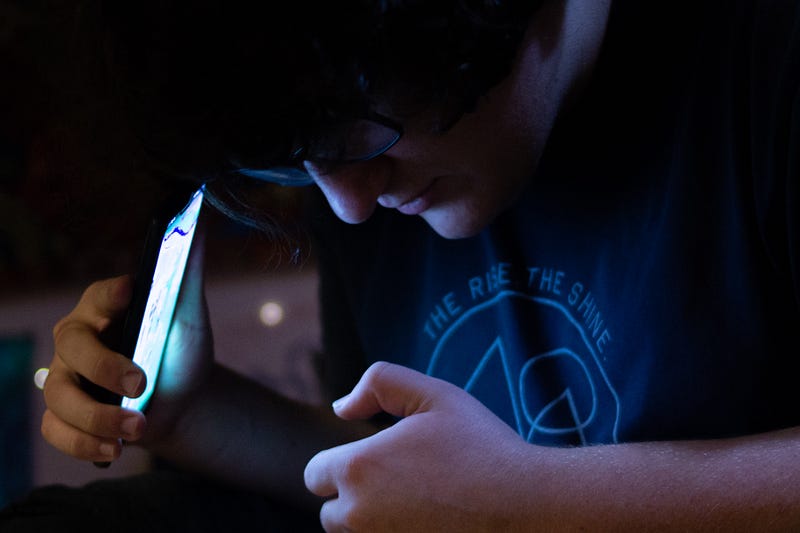
Onward, we must look for three things that we can hear. What’s that, you ask? Oh yes, that’s the sound of the kettle going off. Maybe you can hear the birds chirping outside. Perhaps you can hear the faint whizz of the computer as it processes millions of bits of data at light speed.
And now, we’re onto two items. We need to look for two items to smell. Perhaps you smell nothing and then you close your eyes. You can smell the tea brewing and the faint smells of lingering chocolate, a remnant of a light snack that you had earlier today.
Finally, we’re onto focussing on one item. It is an item that you can taste. Perhaps that water bottle or tea kettle is trying to tell you something. Perhaps you will have that drink for tonight.
As you can imagine, you can have a lot of fun with the 54321 grounding technique. When you’re not stressed, it can be a very creative way to force ourselves to think in the present tense.
When you are anxious, grounding is like your gradual reset button into reality. Your head gets so lost in the clouds when it drives at a thousand kilometres per hour. It had started to obsess and ruminate until it spiralled out of control.
When you are depressed, grounding is something to keep ourselves mildly productive. Your head felt so little, that you began to float across the ocean surface, without much purpose and meaning. Grounding is supposed to remind you that’s you’re not riding a current, that you have the power to get out of the water and drive a high-powered motorboat, just because you can.
And you will.
You can repeat this grounding technique as many times as you like. You can do this across many situations until it becomes automatic. It’s kind of soothing, like putting a baby to bed.
After a long day of hard work, you deserve to have a break, because you’re a human and you deserve the same level of respect as anyone else.
For more articles from the author, please see: