
Ancestors of Enslavers Refuse to Acknowledge Their Genealogy
While Wondering How Descendants of Nazis Look Themselves in the Mirror
Jack and my dad were never friends, their wives were. Jack was a successful savvy John Deere equipment salesman while my dad was a somewhat quiet reserved high school history teacher. When they were thrown together, conversation always seemed labored. One evening while their wives were talking in the kitchen, the two men found themselves once again tossed together in the living room. My dad was never good at small talk with anyone, let alone Jack, so it was no surprise to my twelve-year-old self observing the two that the conversation would go terribly astray. However, I was surprised when I heard all the polite subtleties tossed out the window and found myself suddenly stuck in a room with two men ready to explode.
Jack said, “My ancestors living in Poland had it worse in World War II than the slaves.”
My dad responded, “That’s absolutely ridiculous — you can’t make a statement like that, it’s diminishing the evils of slavery. Jesus, you’re preposterous”
Jack’s voice rose as he got more heated and continue to lock into his stance describing what his polish ancestors encountered during the Holocaust. My dad rubbed his eyes and forehead trying to calm himself while talking to Jack about the condition of slave ships. Jack didn’t waver from his position insisting that polish people had it worse during the Holocaust than African American slaves. My dad lost his temper, he stood up and moved towards Jack yelling at him “leave now.”
Jack was surprised about my dad’s vehement response and hesitated to get up, and commented “you can’t be serious?”
My dad postured over Jack who was still sitting and said, “get the fuck out of my house.”
A White Kid in a White Town
At twelve-years-old, I didn’t understand my dad’s reaction to Jack, I had just watched Roots and that’s where my education about the enslaved started and probably halted for twenty years. I think we all thought we had some understanding of racism. I mentioned in another story that my dad had slapped one of my brothers for using the n word and he never struck any of us kids. Being five white children in a white town during the seventies, we needed to see my dad’s response to understand the seriousness of racism.
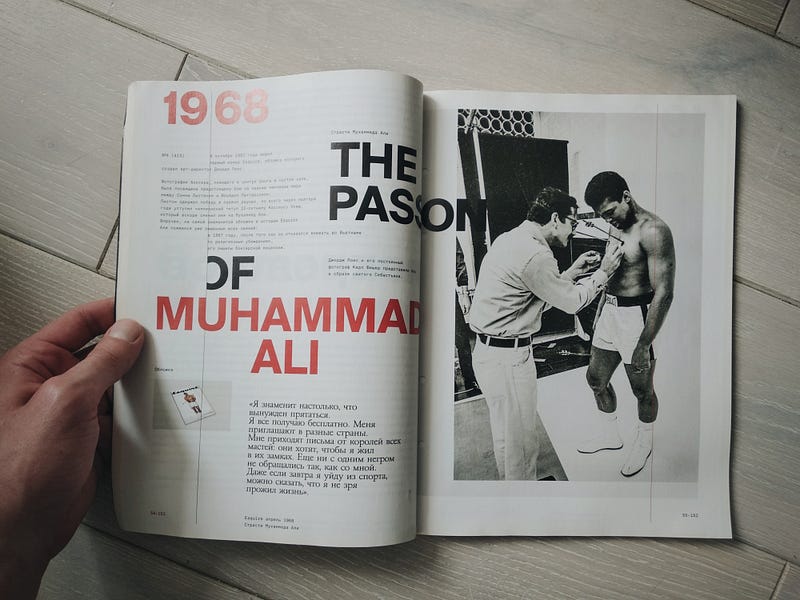
If I could point to one mistake my parents made it was preaching too much about equality which unintentionally left us ignorant to individual differences and experiences. Living in such a non-diverse area, we were very unaware, we watched Muhammad Ali on television listening like our ears were trying to decipher some abstract art.
During graduate school for my masters degree in counseling, I was dumbfounded when a fellow student emotionally confessed her grandfather was a Nazi soldier that tortured Jews during the Holocaust. There were only a handful of students in the seminar, the little room was dead silent, as the female student spoke. She was trying to come to grips with the two versions of her grandfather she carried within her — one was of this jolly man that bounced her on his knees when she was a toddler, read her books, and helped cook the family dinners, and the polarizing opposite of an active soldier working under Hitler torturing humans in conservation camps.
The next week in the seminar a female Jewish student had watched Schindler’s List with the granddaughter of the Nazi soldier. They sat and shared the intensity of their experience while watching the movie saying it was a roller coaster of emotions from sadness to healing. The student that is Jewish shared her grandparent’s horrors during the holocaust.
I’d often read novels about World War II, interested in reading about different areas in Europe and how they were affected by the Nazis. I often thought about that time in graduate school, and how the granddaughter of the Nazi soldier went on to process what her grandfather had done.
I sat through classes with black students during the time of the OJ Simpson’s trial, institutionalized racism was in the forefront of our discussions. At the time, the graduate program was one of the few multi-cultural accredited counseling programs in the country — the main tenet being cultural awareness. Me and my fellow white classmates had been so conditioned to not acknowledge our ancestors were enslavers that even through graduate school we continued the facade taught to us since kindergarten — lack of acknowledgement.
My dad past away when I was in graduate school, I still had so much to learn about his journey— having been raised in a conservative protestant household as a republican, he had banished his upbringing. He served in Korea disliking what he saw with his fellow military personal. His letters talked about feeling disgusted with fellow soldiers for their derogatory language and treatment towards the locals, using the word gook and their sexual conduct towards Korean women. He seemed dismayed with the United States role in the world stage, expressing in his letters that “uncle is always supporting dictators and sometimes plays a part in being the aggressor.”
My dad had abandoned his family’s wish that he become a doctor after serving as a medic in Korea and returned to the states to pursue his passion for history — becoming a teacher. He spent the seventies as a State Board of Education appointed Content Reviewer for history textbooks — not that the country ever needed white men reviewing historical content, he knew that. He tried to get textbooks to contain a more accurate depiction of enslavement— he knew teaching history wasn’t about a timeline of the Civil War and lecturing about the three-fifths compromise. He wanted students to understand the evils of the enslavers far beyond the Civil War.
News Flash: Descendants of Enlavers, Not White Saviors
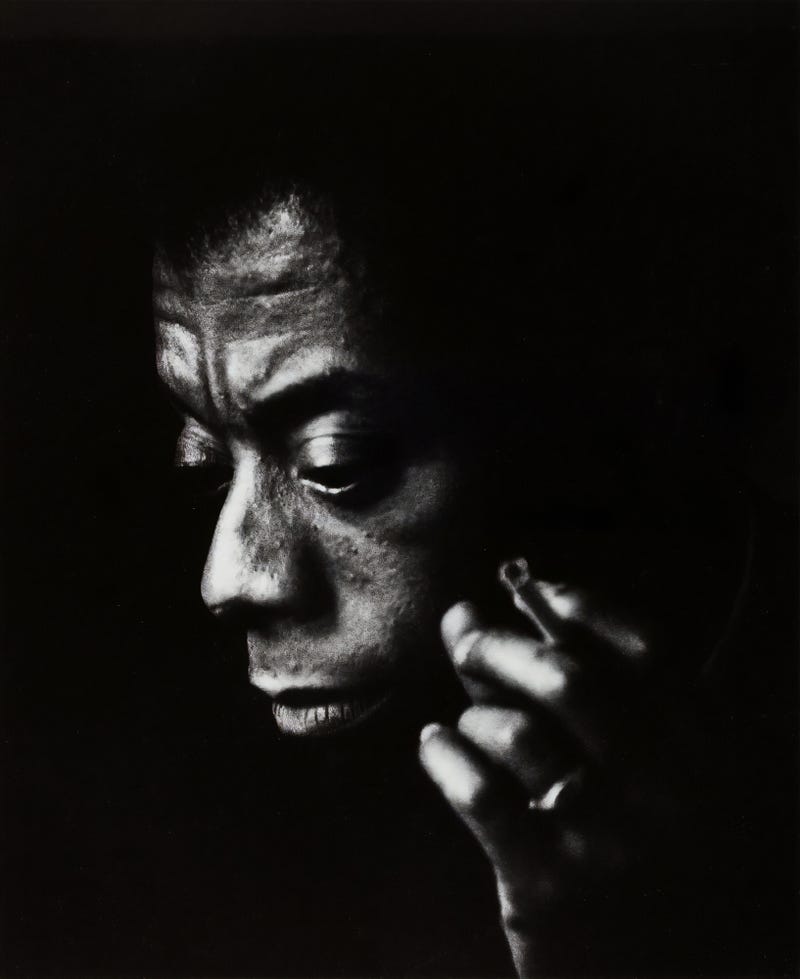
James Baldwin writes in The Fire Next Time (1962), “If we — and now I mean the relatively conscious whites and the relatively conscious blacks who must, like lovers, insist on, or create, the consciousness of others — do not falter in our duty now, we may be able, handful that we are, to end the racial nightmare, and achieve our country, and change the history of the world” (105).
I read the words and still wasn’t a “relatively conscious white,” hearing my dad was not enough and the educational system had rendered me a relatively unconscious white. Neither my dad nor the educational system all the way through to my masters degree had influenced my personal awareness enough for me to realize my own ancestors’ role as enslavers.
Even reading James McBride’s book The Good Lord Bird, I identified with John Brown — his daughter reminded me of my own daughter. I had grandiose white savior fantasies of how we would have been these brave abolitionists. I wasn’t reading the horrific evil treatment of the enslaved thinking about my own blood containing the same genes of my ancestors who had been enslavers.
How are black people suppose to trust white people to help “end the racial nightmare, and achieve our country, and change the history of the world” as James Baldwin wrote?
Within the stupidity of white people, lies the reality that they don’t understand what their role should be in the Black Lives Matter movement. White people, like myself, have to come to terms with being the descendants of enslavers and seek out ways in which they can repent for the past.
My daughter seems to grasp awareness and acknowledgement of her ansectors, we talk about discrimination everyday — as well as, human differences and experiences. She knows when to stand up and when to sit down.
Last summer we watched racists making a scene on a beach, harassing these two black men playing music. The woman even called the state troopers about the men. My daughter had to hault the pathetic white savior crap within me, “If you stand up and get upset you’re doing nothing but inserting yourself into a story that doesn’t belong to you, it becomes even more about white people. That plays even more into the bigots hands.”
The black men had to handle the circumstances, a life lived, they removed themselves from the situation (swimming). Luckily, the trooper realized there was no need for his presence. The bigotted woman and her posse left the beach, and people clapped for their departure.
Relatively Conscious White People
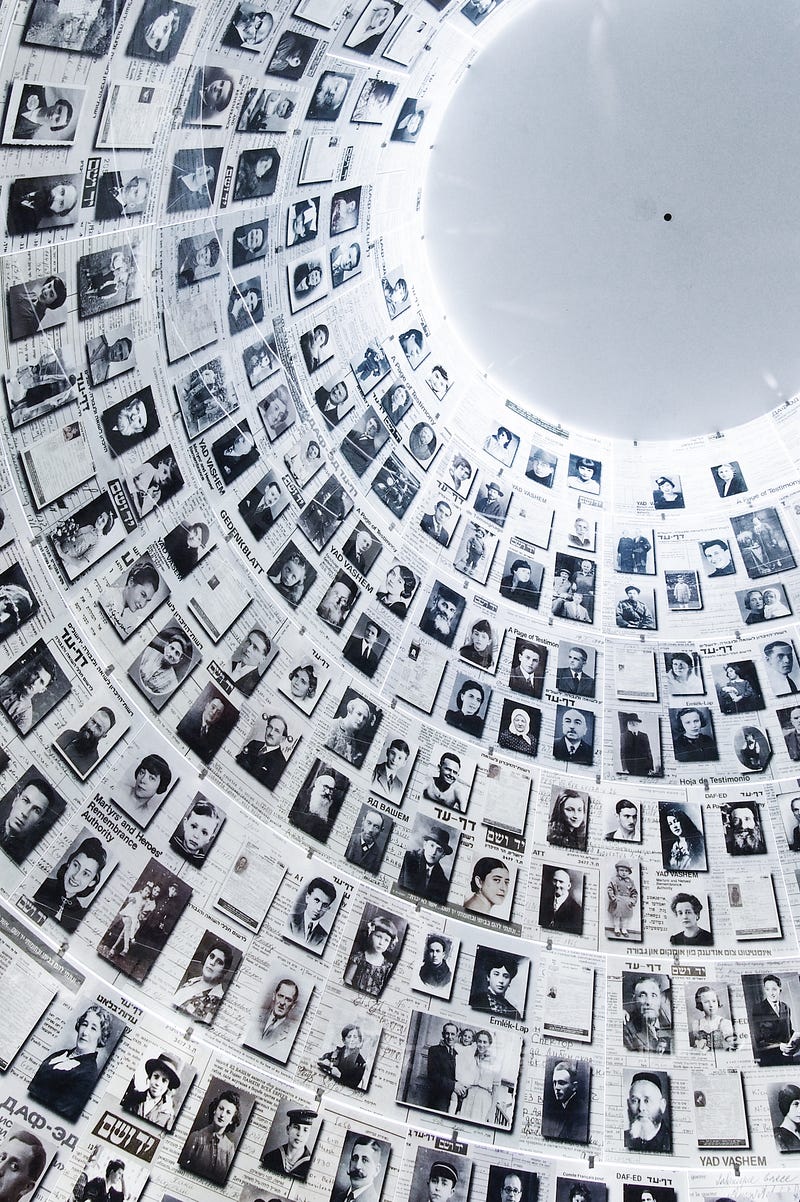
In 2005, 60 years after the end of the holocaust, the United Nations General Assembly designated January 27 the holocaust memorial day. According to Holocaust Memorial Day Trust, each year over thirty countries join as one in remembrance, “Together we bear witness for those who endured genocide, and honour the survivors and all those whose lives were changed beyond recognition.”
In 2021, 400 years after enslavement started in America, Juneteenth was declared a federal holiday to commemorate the emancipation of enslaved African Americans. The day is to celebrate the anniversary of June 19, 1865 when Major Granger proclaimed freedom for slaves in Texas.
Last night my daughter and I were talking about why white people don’t honor March 25th. In 2007, the United Nations designated March 25th as International Day of Remembrance of the Victims of Slavery and the Transatlantic Slave Trade. Why is there not one federal holiday in remembrance of the 17 million enslaved transported against their will from Africa to America? How are white people going to become “relatively conscious” when our country doesn’t take a federal holiday to recognize the 2.4 million enslaved humans that died being transported to the land of the free and the millions more that died at the hands of those enslaving. Honor them — donate.
After three generations of my white family thinking about their role through history, in my daughter, I see James Baldwin’s vision of “relatively conscious white people” who can combine with “relatively conscious black people” for the greater good.


