
ANALYSIS: Home field advantage and the “Away Goals” Rule
With its abolition for this UCL Knockout Stage, let’s take a look at its origins
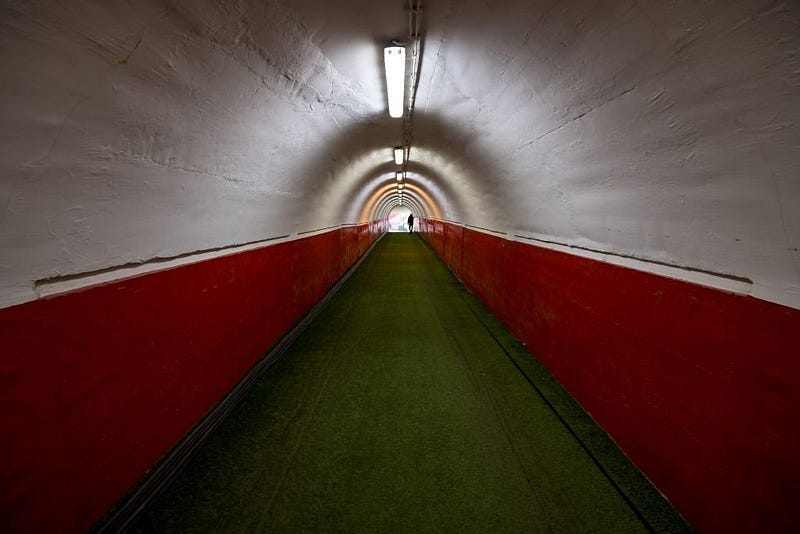
Imagine you’re about to head out to the biggest match of your life. You gather around your teammates and have one last pep talk before you file into a line, raring to go, ready for what the opponent throws at you. You know you’re better in every way. It should be an easy win. Then, as kick-off nears, you are summoned to walk down the tunnel, ready for war. You are ready. Nothing can shake you.
As you make the walk, the electricity of the crowd gets to you. Your legs begin to tremble with each and every step. Loud bangs fill your eardrums, but not enough to filter out the constant raucous that is the opposing team’s fans. With each and every step, it dawns on you. You are not ready for this. Because this my friend, will be 90 minutes in hell.
In football, as in most sports, the factor of Home Advantage has been largely debated and analysed throughout the years. The inherent benefit a home team has against their opponent, home advantage has become a staple of football — more specifically, after it’s an introduction to the then UEFA European Cup Winners’ Cup in the 1965/66 season, it has been an integral part of the European nights we all know and love.
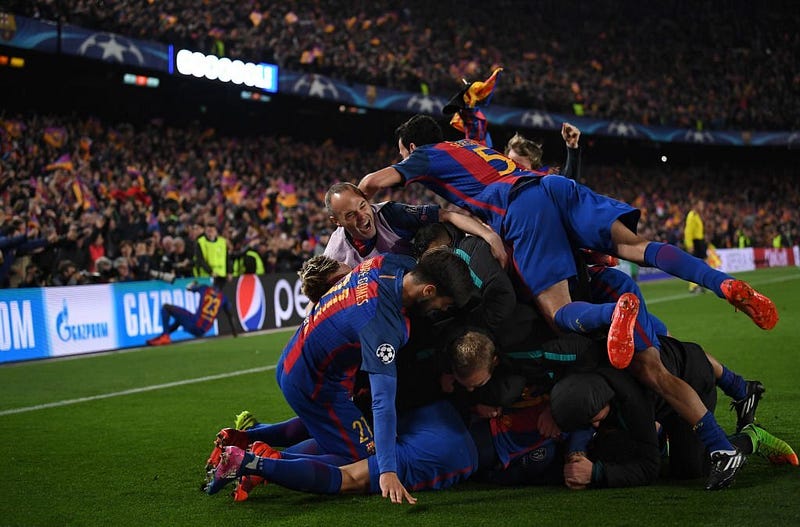
From the iconic remontada between PSG and Barcelona where La Blaugrana came into the match 5–0 down, and came back to win it 6–1 in the second leg, to just 3 seasons ago when Liverpool beat Barcelona themselves in a thrilling 4–0 shut out at Anfield, the away goals rule has been at the forefront of many famous comebacks, and without it, these moments would not be possible.
So as we head into the second legs of the first Knockout stages of the competition, the question that is posed is why did UEFA see to the removal of the rule now?
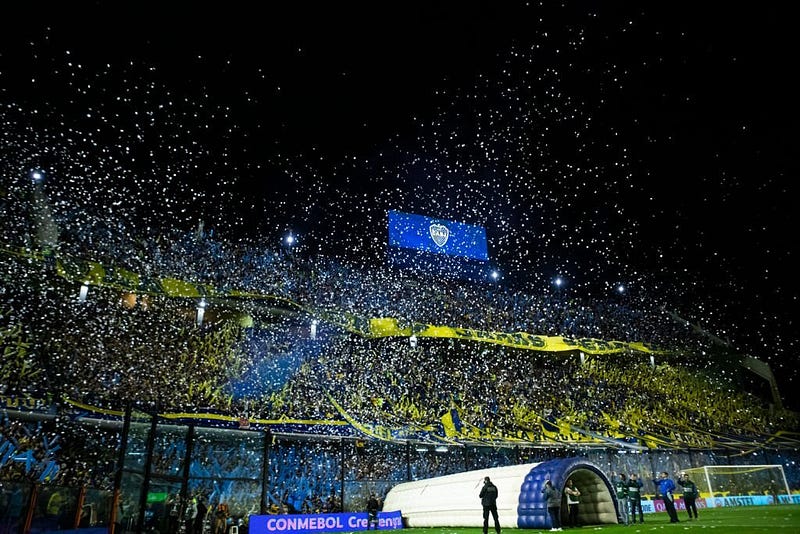
While hotly debated, the rule has been a mainstay in two-legged competitions around the world, from the Copa Libertadores to the Copa Del Rey, it was understood that the spectacle of competition and suspense took precedence. It was first introduced to lessen the significance of tie-breakers and playoffs at neutral grounds due to the ever-growing demand of the footballing calendar. Essentially, it was to do away with ties and promote one-and-done games (in this case, two-and-done). UEFA recognised the problem in which two elite sides could clash 3 or 4 times in tightly contested, tactical battles before a champion or winner was crowned. While in theory, this would showcase the best of the sport, the entertainment factor dropped significantly and viewership plummeted. A mandated two-match tie would hopefully encourage attacking impetus from both sides and make for more exciting matches.
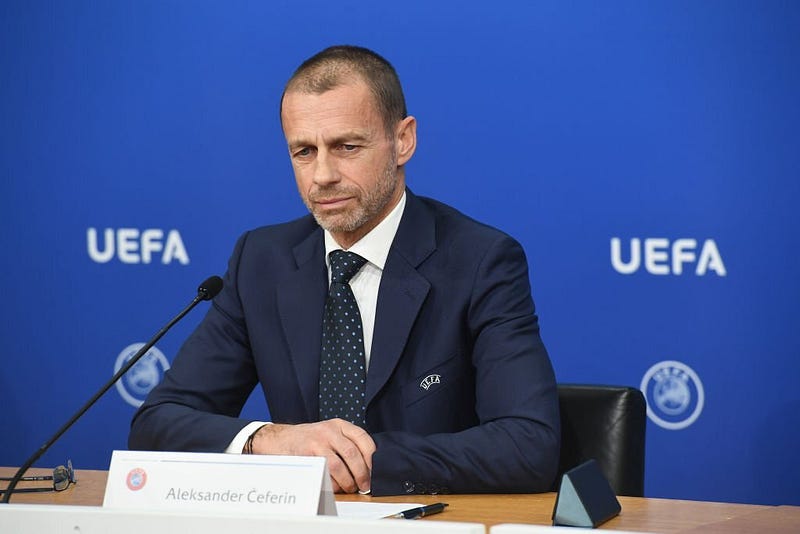
It was all well and good until teams started figuring out ways to game the system once more. As President of UEFA, Aleksander Ceferin reasons, “[the rule] dissuades home teams — especially in the first legs — from attacking,” and thus, runs counter to its original purpose: to create entertaining football played amongst the world’s elite.
Another large reason for the abolition of the “away goals” rule is the deteriorating effect of home-field advantage. Psychologically taxing, the walk from the tunnel out to the pitch would look something similar to the one shown earlier. That is the true extent of home advantage. The inescapable truth was that once you were home, you were unbreakable and when you were away, you were all but a sitting duck at the mercy of the atmosphere. It controlled you in every sense of the word.
These days, however, the effect of globalisation and the homogeneity of play amongst the top European sides has diminished the psychological effect of the home advantage. The conclusion, therefore, came that “the weight” of goals scored away from home, must once more become equal rather than favourable to the away side. But why now?
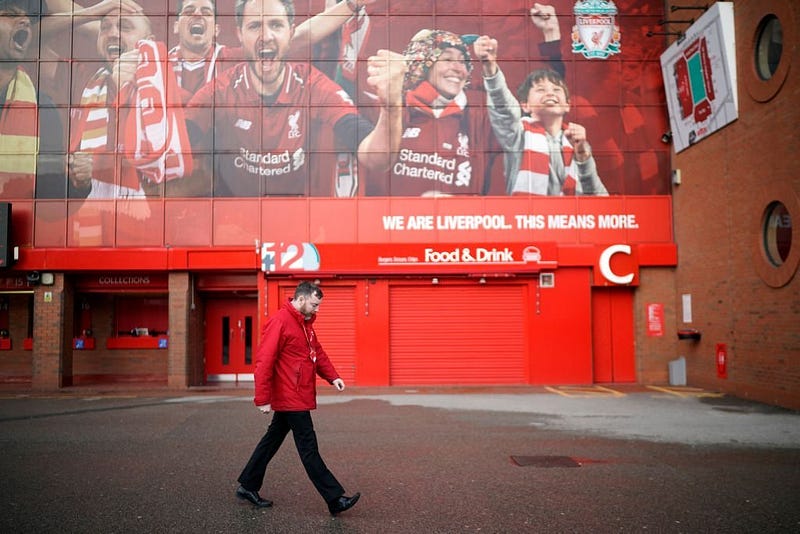
The execution of the proposal comes after the COVID-19 pandemic has affected the world footballing sphere. Games are being postponed more than ever, and when they are played, they are behind closed doors, as per the 2019/20 and 2020/21 seasons. The increased frequency of “little to no fans” being present at the grounds, therefore, means that the effect of “atmosphere” is devoid or at the very most, a slither of what it used to be.
It is with this justification and the assumption that the current sporting landscape will last for a significant period, that the Champions League knockout stages will no longer feature the away goals rule this season.
Hope you enjoyed this post!
If you did, all I ask is for some applause to show your appreciation. A comment too if you wish?
Finally, before I leave you, are you looking for a passionate writer with unique posts to fill your feed? Do these pieces pique your interest?
If you answered “yes,” please consider following me for more posts like these in the future! Want to know more? Click on my profile and go to my “About” section, or feel free to send me a message at any time!
Much appreciated,


