
An Unexpected Gem | The Lumix 20–60mm Kit Lens
After testing the Lumix S5ii…I kept the lens, and sent back the camera.
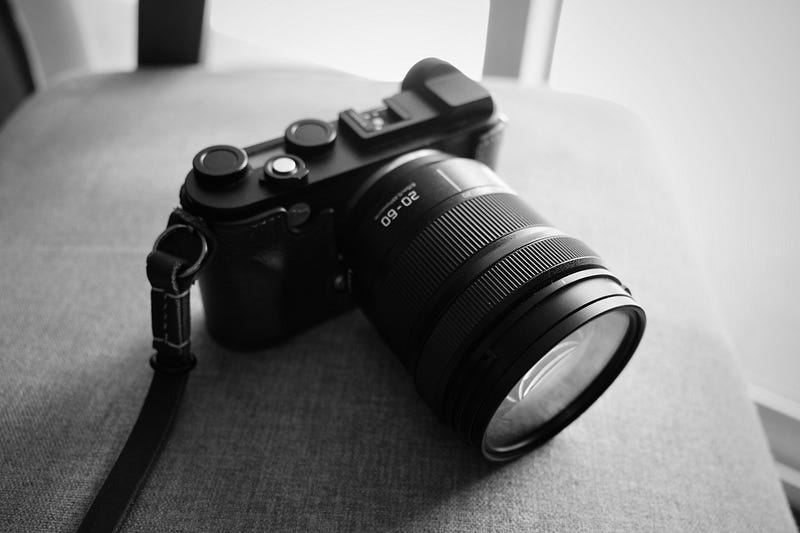
This is quick review of the Lumix 20–60mm kit lens for L-mount, after about two weeks of testing it on the full frame Lumix S5ii that it came with, and also my APSC Leica CL
If at the end you have any questions feel free to leave a comment or direct message me on IG @elijahrha or @foxfotoco , I’ll happily respond to anyone on either!
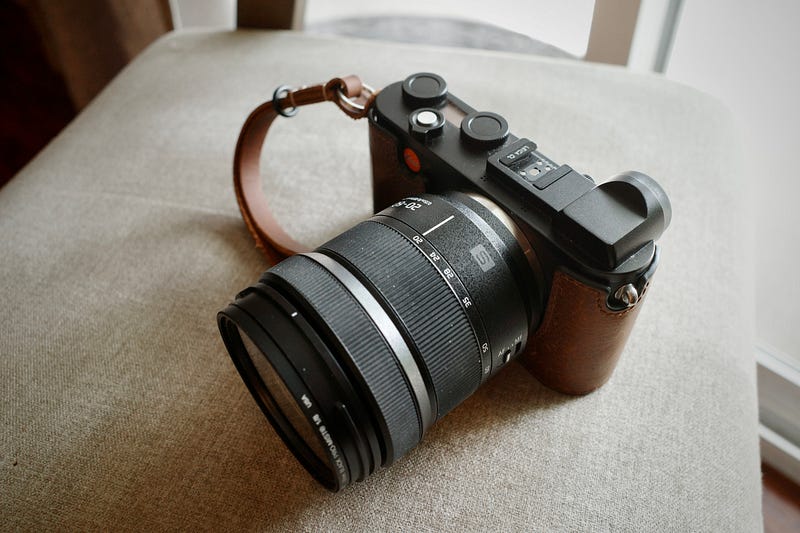
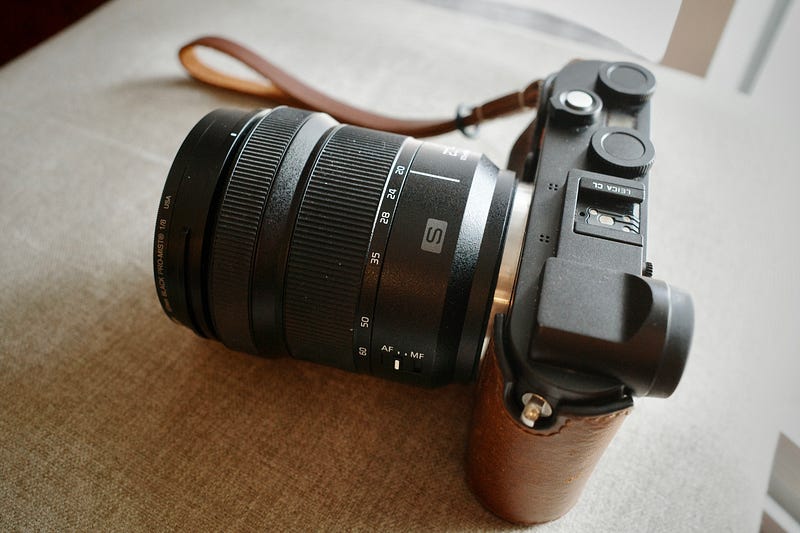
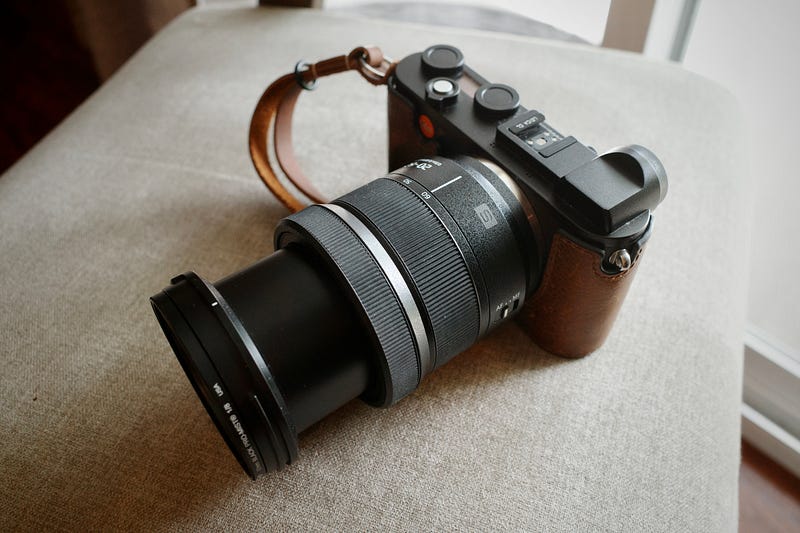

As a photographer who uses a variety of camera systems (it’s hard to pick sometimes) I’m always on the lookout for affordable lenses that can help compliment one of my more niche cameras. When I recently ordered the Lumix S5 MkII (to try out the new phase detect autofocus system in the L-mount family of cameras) the bundle I ordered came with the Lumix 20–60mm f/something to f/something kit lens.


Which, at first glance, didn’t seem particularly impressive. However, I decided to give it a try, and I’m glad I did. This was one of those lenses I WASNT looking out for but sorta snuck up on me…and can you blame me? It’s an MSRP $200ish kit lens , and we know how those often go.



The lens is relatively compact and lightweight, making it an excellent option for travel and outdoor photography where you want to minimize your gear’s size and weight. I found that I could easily carry the Lens was a perfect size and weight companion to my Leica CL, even more so than on the Lumix.
One of the things that impressed me about the Lumix 20–60mm lens was its versatility. The lens covers a wide range of focal lengths, from wide-angle to short telephoto, making it ideal for a wide range of photography styles, from landscapes and architecture to portraits and street photography. I particularly enjoyed the 20mm wide end of the lens, which allowed me to capture sweeping landscapes and cityscapes with ease.


In terms of image quality, the Lumix 20–60mm lens is designed specifically for mirrorless cameras, and it delivers excellent results. The lens delivers sharp detail and vibrant colors, even in low light conditions. I was particularly impressed with the lens’s ability to capture fine details, such as the texture of a brick wall or the individual leaves on a tree. This is also sorta subjective when it comes to “quality”. Half my readers use their smart phones and half my readers shoot medium format film or mirrorless Leicas…so there’s a range of what people will consider “high quality”. Regardless, I like the shots I got.
The lens also has a fast and silent autofocus system, which makes it ideal for both photo and video. I was able to capture sharp, in-focus shots even when shooting fast-moving subjects, such as birds in flight or people walking. This is of course when referring to the Lumix S5ii , the Leica autofocus still suffers notably on any moving objects.



One of the things I appreciated about the Lumix 20–60mm lens was its zoom throw. The zoom throw is fairly stiff and doesn’t creep at all, which makes it easy to find your “favorite” focal length and set it without having to worry about the lens shifting.
I initially threw the lens onto my APSC Leica CL for a sort of 30–90mm experience, and it performed quite nicely for that purpose. Kinda just a point and shoot that covers roughly my 3 favorite focal lengths (28, 50, and 85).
However, it really surprised me when I paired it with the full frame Lumix S5ii. The 20mm wide end of the lens was particularly impressive, and while I don’t regularly shoot wider than 28mm, I found myself really enjoying this “new to me” focal length.


In fact, I liked it so much, that when I ended up not “loving” the perfectly adequate S5ii. I kept the lens, and returned the camera instead. Nothing against the Lumix camera, the new autofocus works great and there’s a lot of cool user friendly features built in that that wish my Canon and Leica cameras had. I just didn’t really enjoy the files that much when it came to editing them (your mileage may vary). I got more of a “Sony” vibe, which just isn’t my favorite, but nothing wrong with it objectively.
Anyways, It’s an affordable lens that offers above average performance, making it an excellent value for its price point. While it may not be the most glamorous lens in your collection, it’s a workhorse that you’ll find yourself reaching for time and time again. It’s not perfect, but it works, and it’s staying on my Leica CL more often than it’s on the shelf.
Bonus Tip: The lens is rather neutral (neither warm nor cooo) in color rendering and middle of the road on contrast. For the guys and galls who like more of the “vintage” look, this lens could be a good modern lens to pair with a diffusion filter, and maybe alsoa slightly scuffed/finger printed up UV filter to give that sorta “90s disposable” vibe. It’s still a bit too sharp to really fool the pixel peepers into thinking its something old and unique, but…it could work in a pinch to fit yours style.



Thank you for reading; follow us and clap a couple of times (it’s free).
Also, if you like what we’re doing, consider supporting us by signing up for a Medium subscription, part of your subscription fee goes to us each month and also supports all the other writers you read on the platform as well. All at no extra cost to you.


